What to See in Berlin in 3 Days on Foot: A Walkable Itinerary
Berlin is flat, wide and surprisingly walkable — but it is also eight times the size of Paris, and a badly planned day can turn into two hours of U-Bahn and very little city. This itinerary solves that: three days, three areas, everything on foot except two short train rides. Each day is a loop of between seven and nine kilometres, which sounds like a lot and isn't, because you stop constantly. And every stop on the route has a free audio guide in seven languages, so you hear what happened on the exact pavement where it happened.
Berlin itinerary
Three days on foot through Berlin: what to see each day, how far you actually walk, when to take the train, and an audio guide for every stop.
Topics
How this itinerary works
Three days, three parts of the city, almost no repeated ground. Day one covers Mitte, the historic centre where Prussia, the Empire and the Nazi state all left their mark on the same kilometre. Day two follows the Wall and the eastern city, from Checkpoint Charlie to the East Side Gallery. Day three is the Jewish quarter and Kreuzberg, which is where Berlin stops being a monument and starts being a place people live.
Nothing here needs booking except the Reichstag dome, which is free but requires registering online in advance — do that before you fly. The museums are optional; Berlin's best stories are outdoors and cost nothing.
One warning worth more than any map: Berlin hides its history. The square where the books were burned looks like a car park. The site of the Gestapo headquarters is an empty lot. Without someone telling you, you walk straight past. That is exactly what the audio guides in each section are for.
Day 1 — Mitte and the historic centre
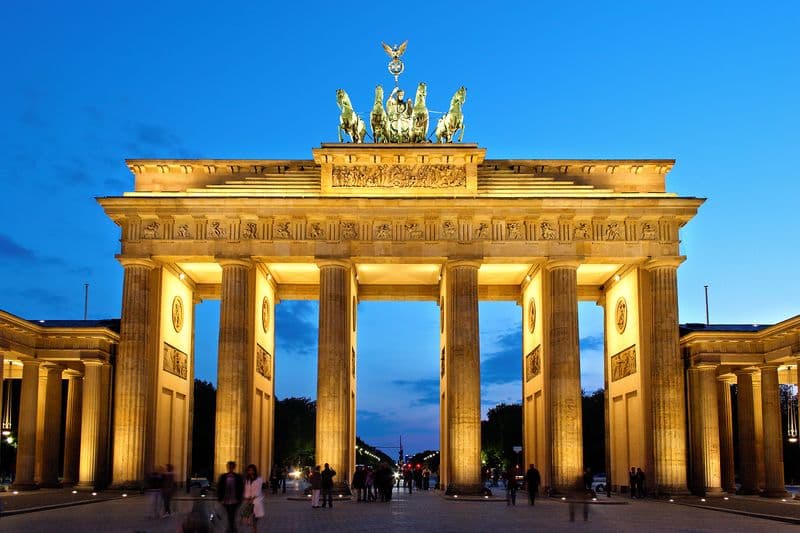
Start at the Brandenburg Gate early, before the tour groups. Behind it, five minutes north, is the Reichstag; five minutes south, the Memorial to the Murdered Jews of Europe. That triangle — a triumphal gate, a parliament that burned, and 2,711 concrete slabs — is Germany's twentieth century in ten minutes of walking.
Then take Unter den Linden east. Bebelplatz is on the right, halfway down: the square of the 1933 book burning, with a glass plate in the ground and empty white shelves underneath. Detour two blocks south for Gendarmenmarkt, the most beautiful square in the city, and come back up to Museum Island and the Cathedral.
Finish on the island. If you only enter one museum, make it the Neues Museum for Nefertiti or the Alte Nationalgalerie for nineteenth-century painting — and check the day, because most of them close on Mondays. Total: about eight kilometres, and you have crossed three hundred years.
Audio guides on this stretch
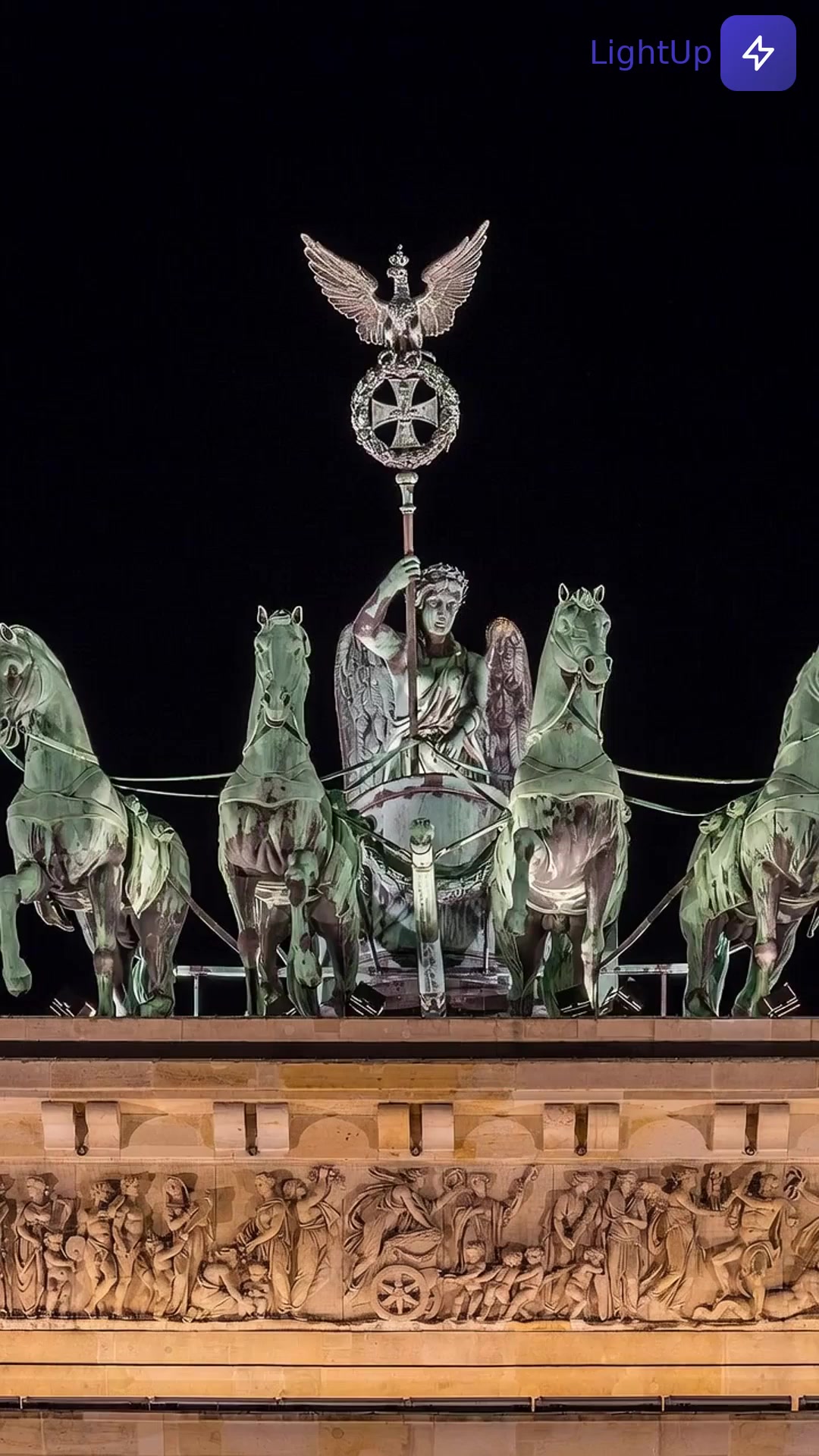
Brandenburg Gate
BerlinListen to the story→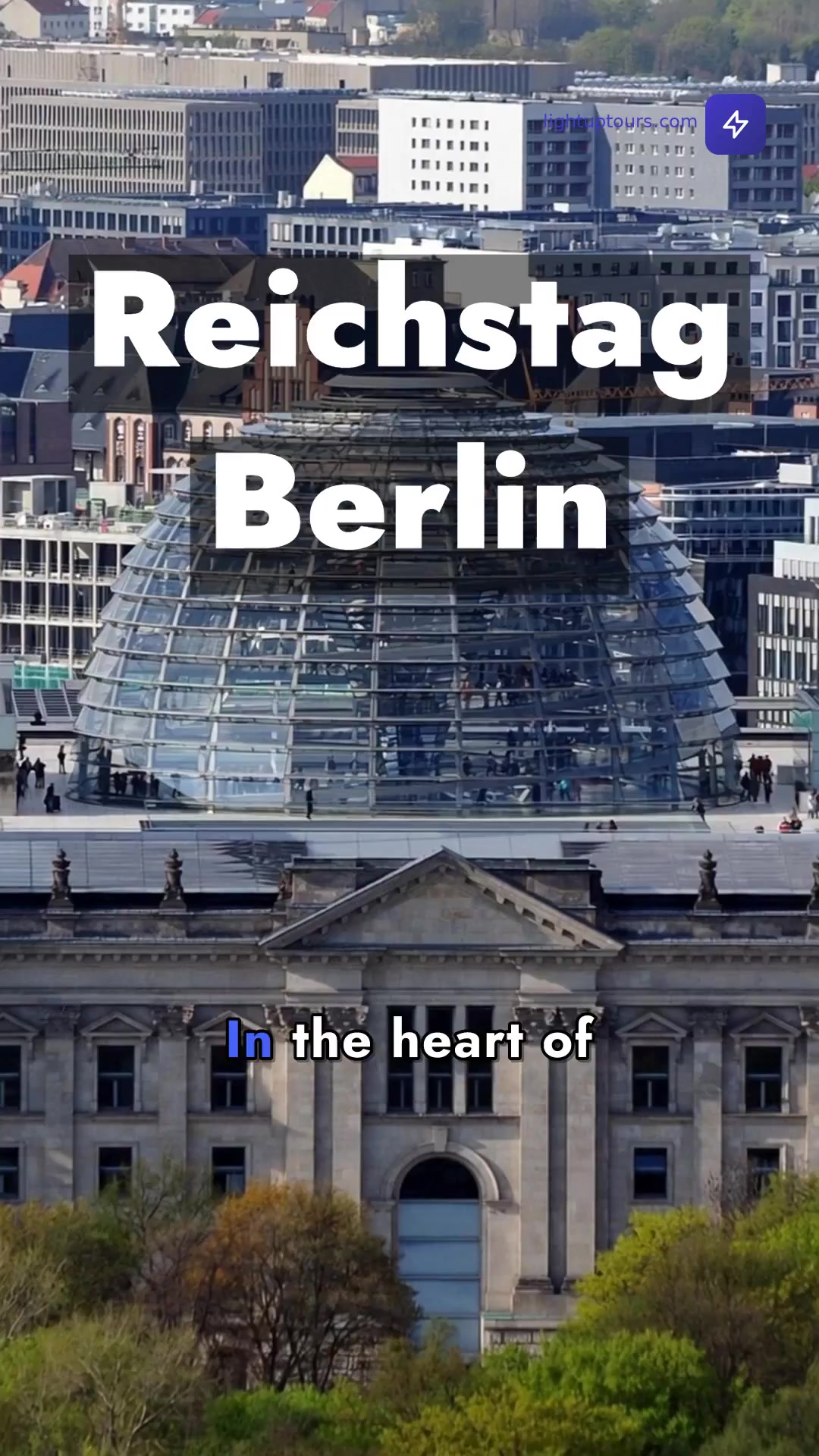
Reichstag Building
BerlinListen to the story→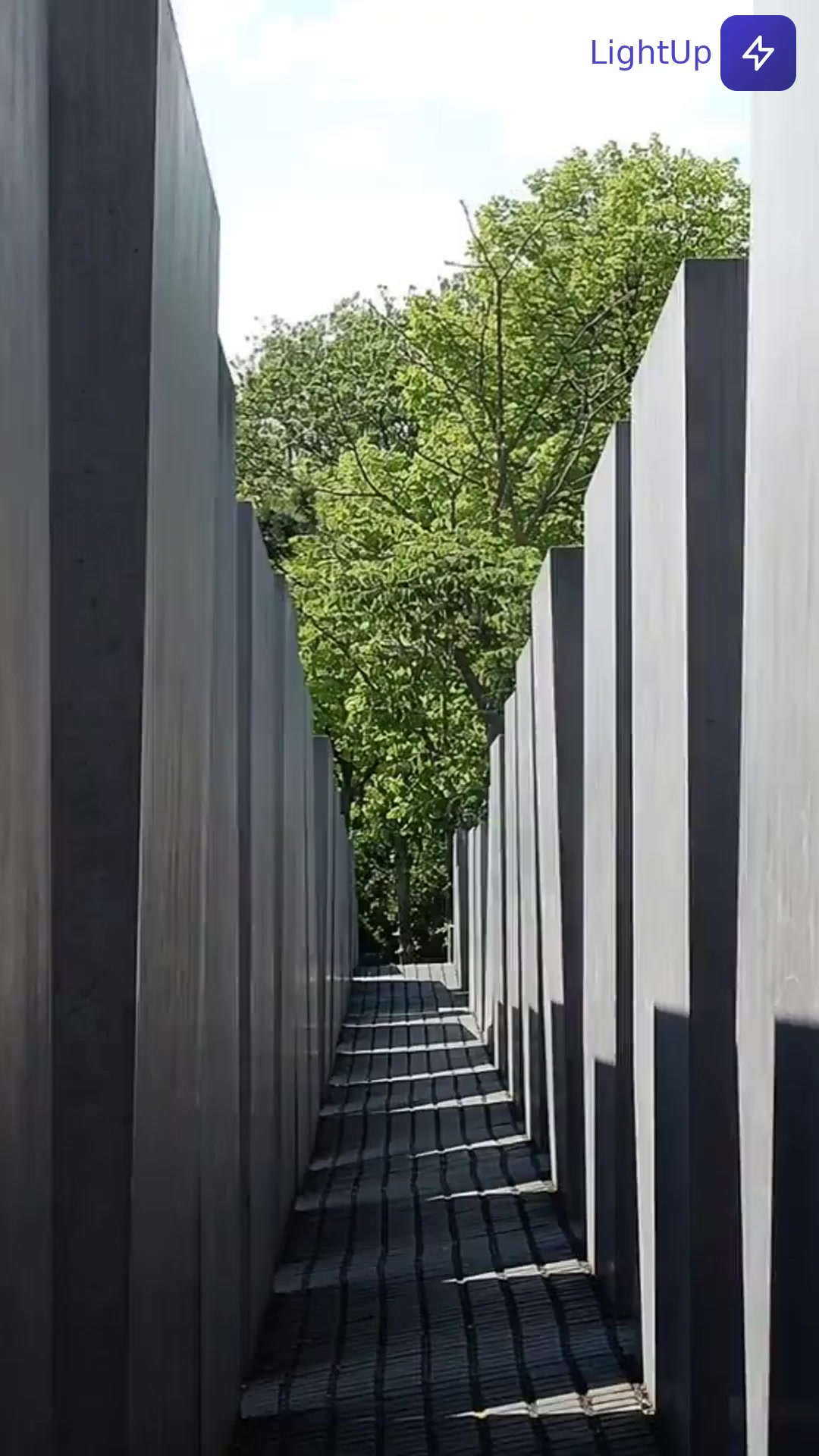
Holocaust Memorial
BerlinListen to the story→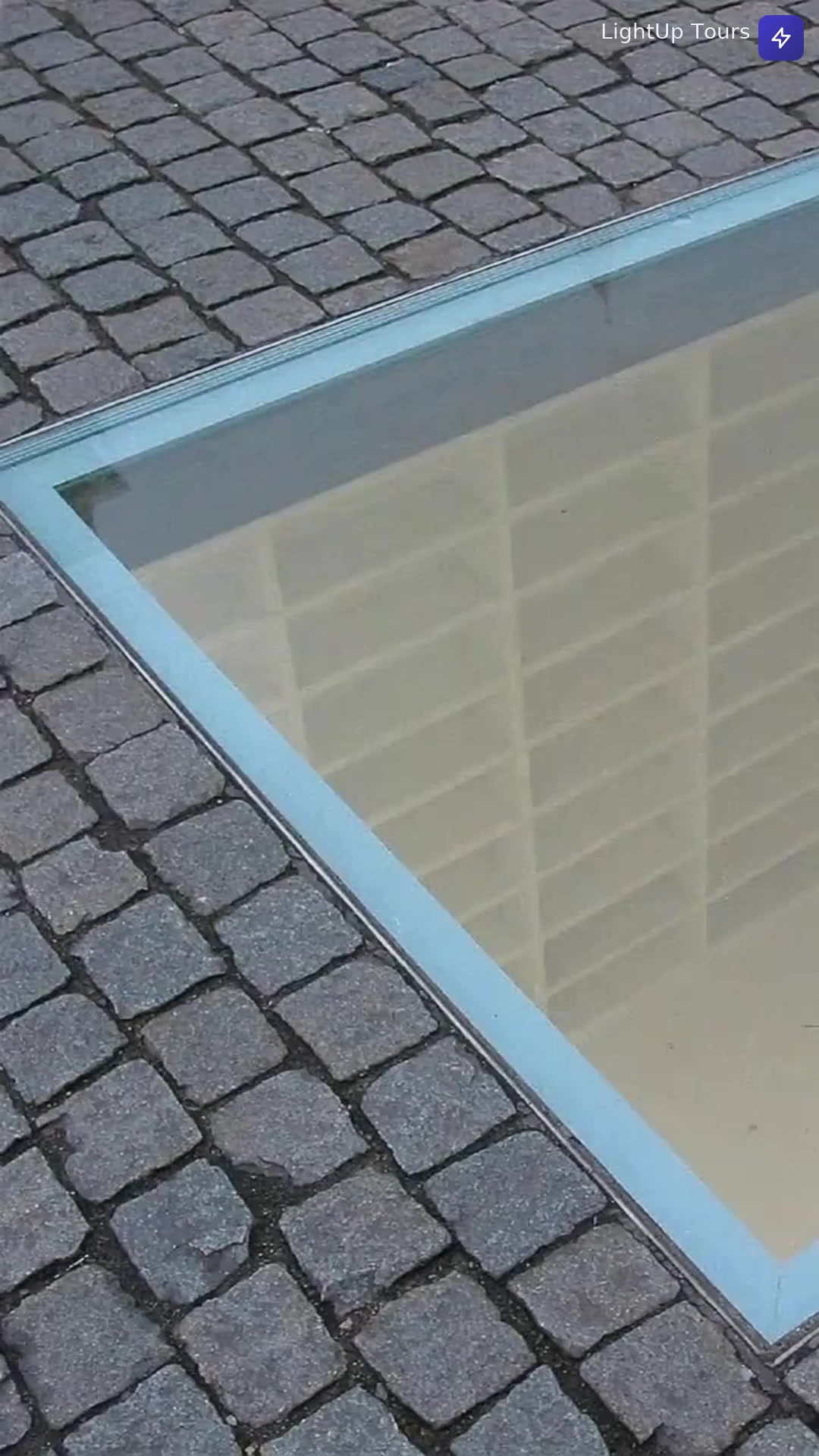
Bebelplatz
BerlinListen to the story→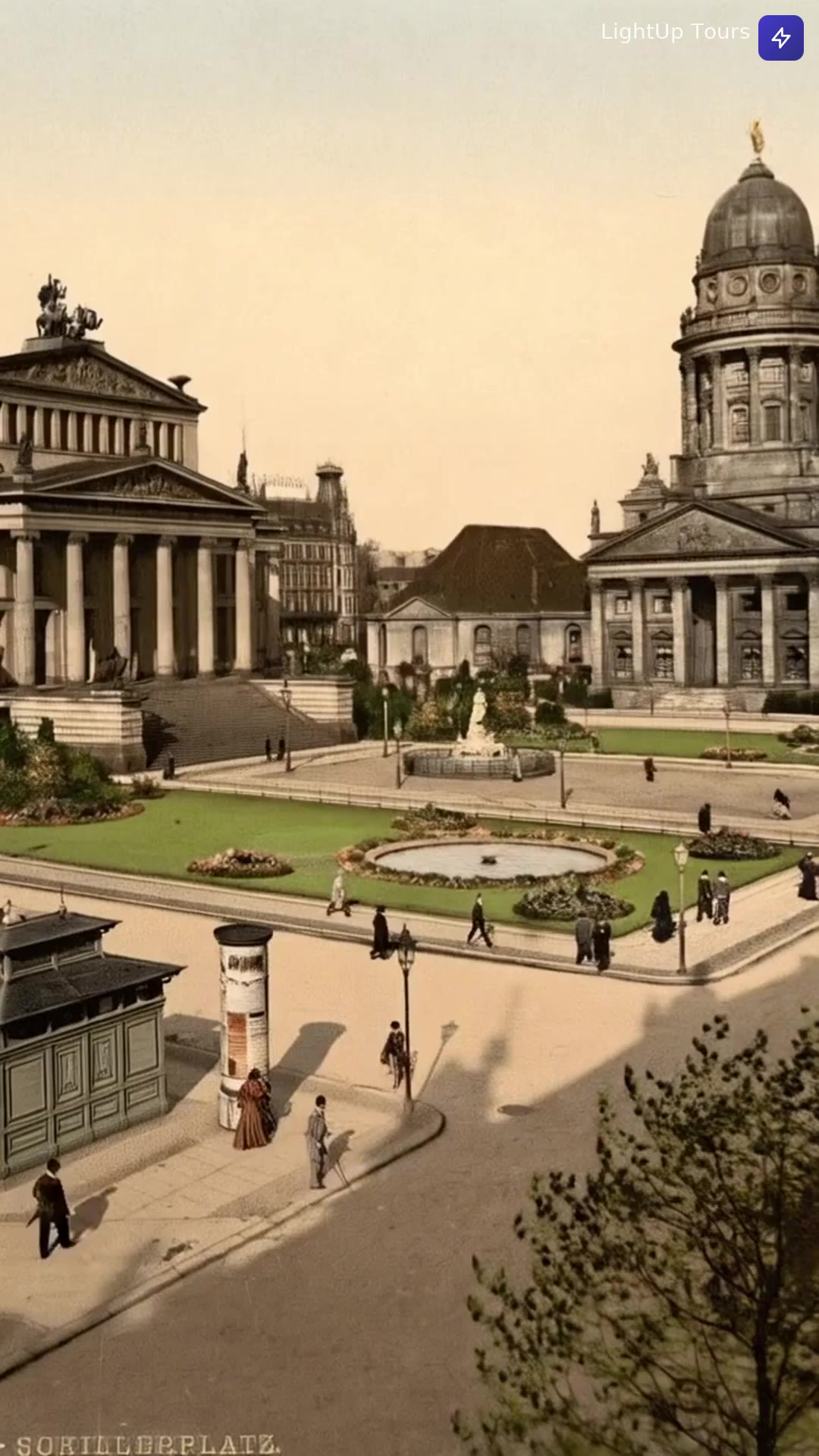
Gendarmenmarkt
BerlinListen to the story→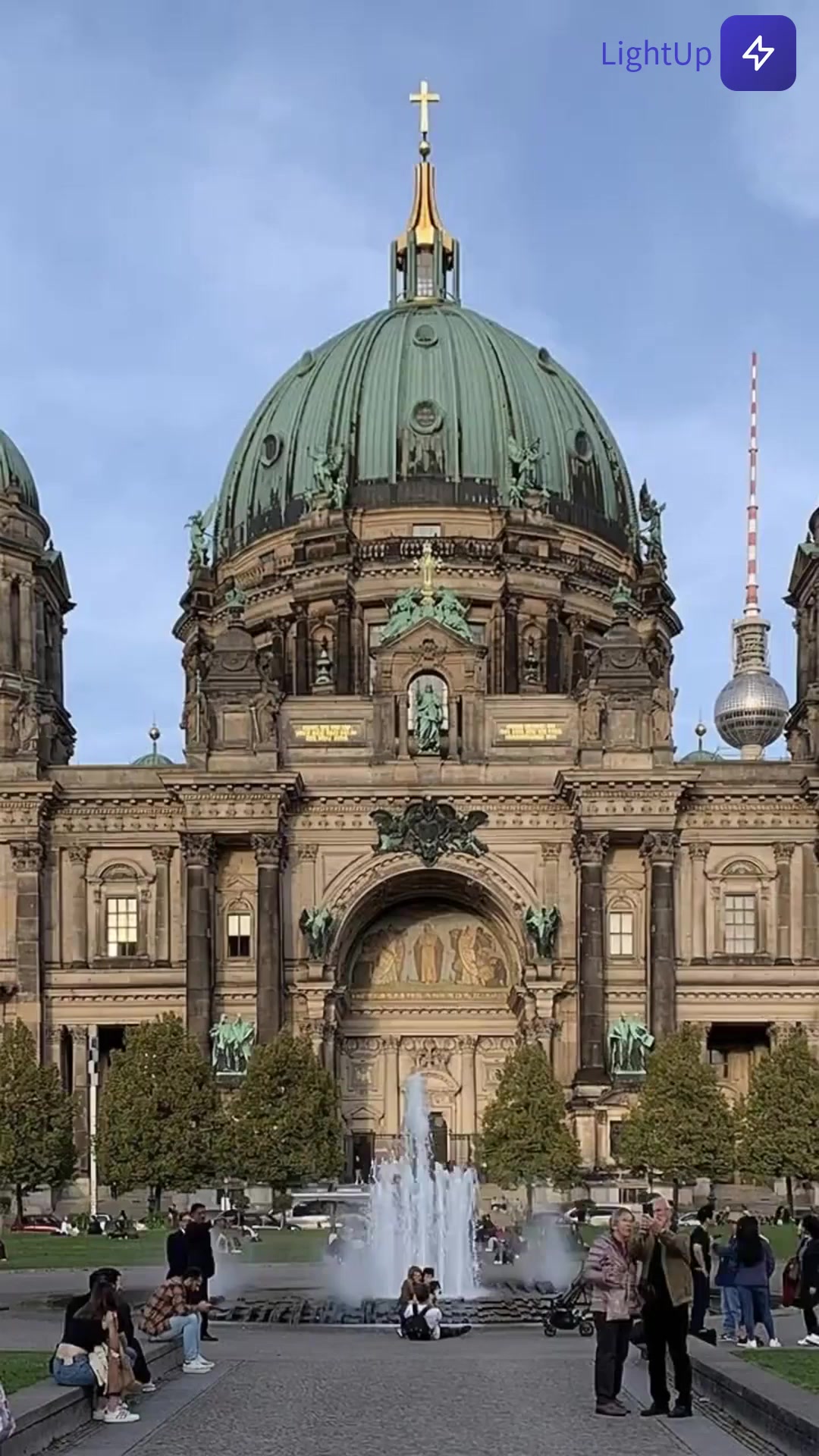
Berlin Cathedral
BerlinListen to the story→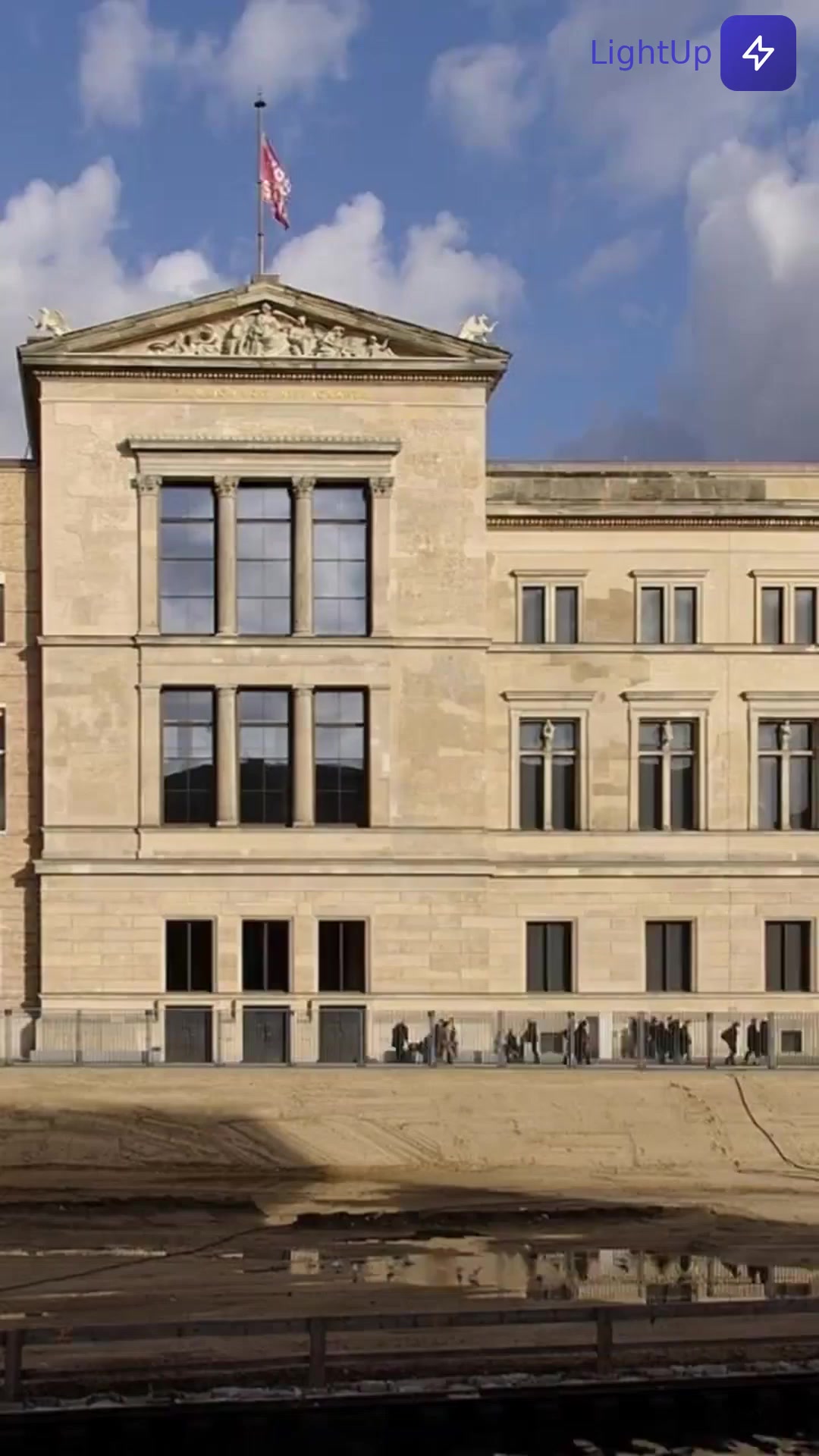
Neues Museum
BerlinListen to the story→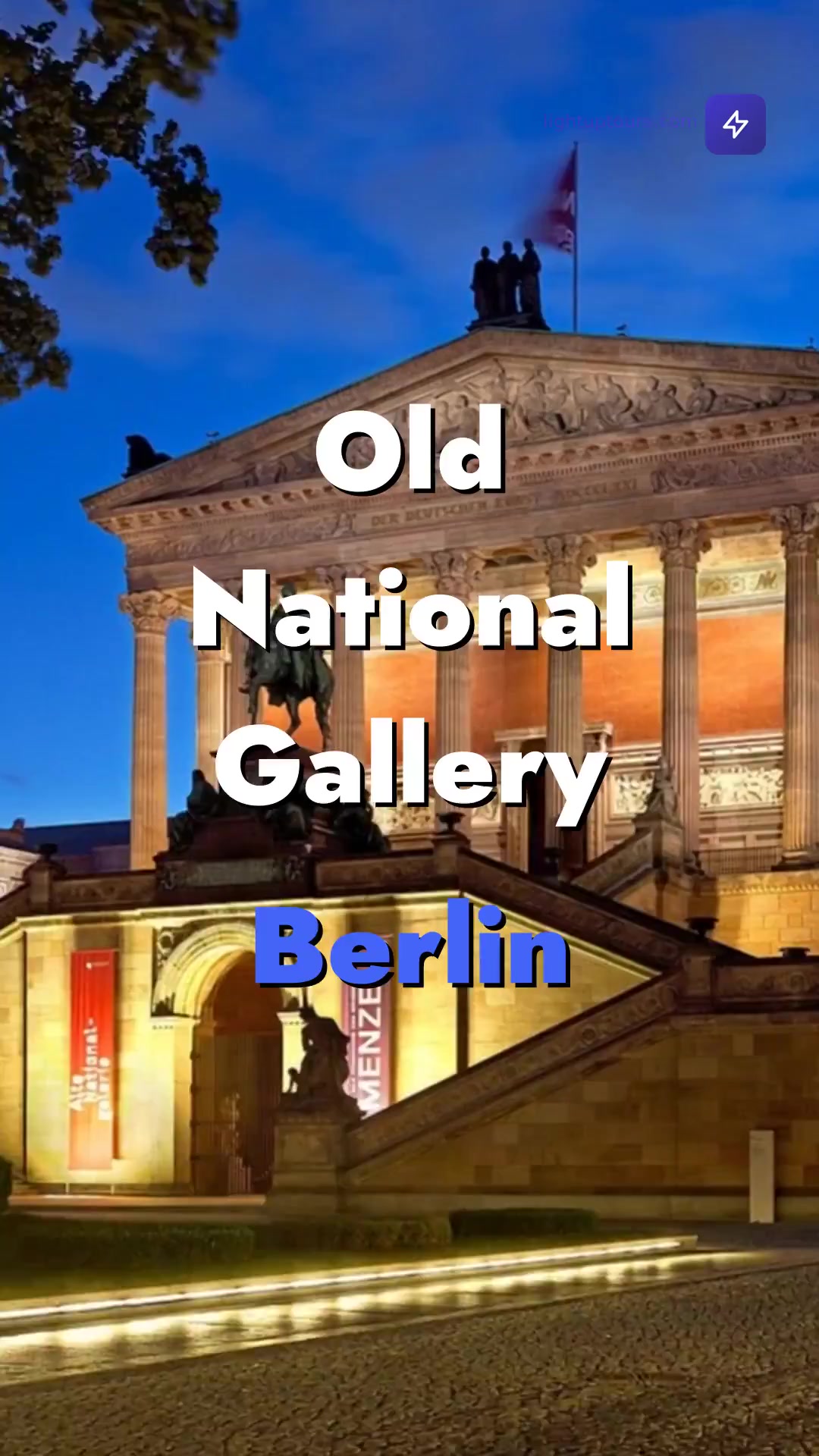
"Alte Nationalgalerie" Old National Gallery
BerlinListen to the story→
Bode Museum
BerlinListen to the story→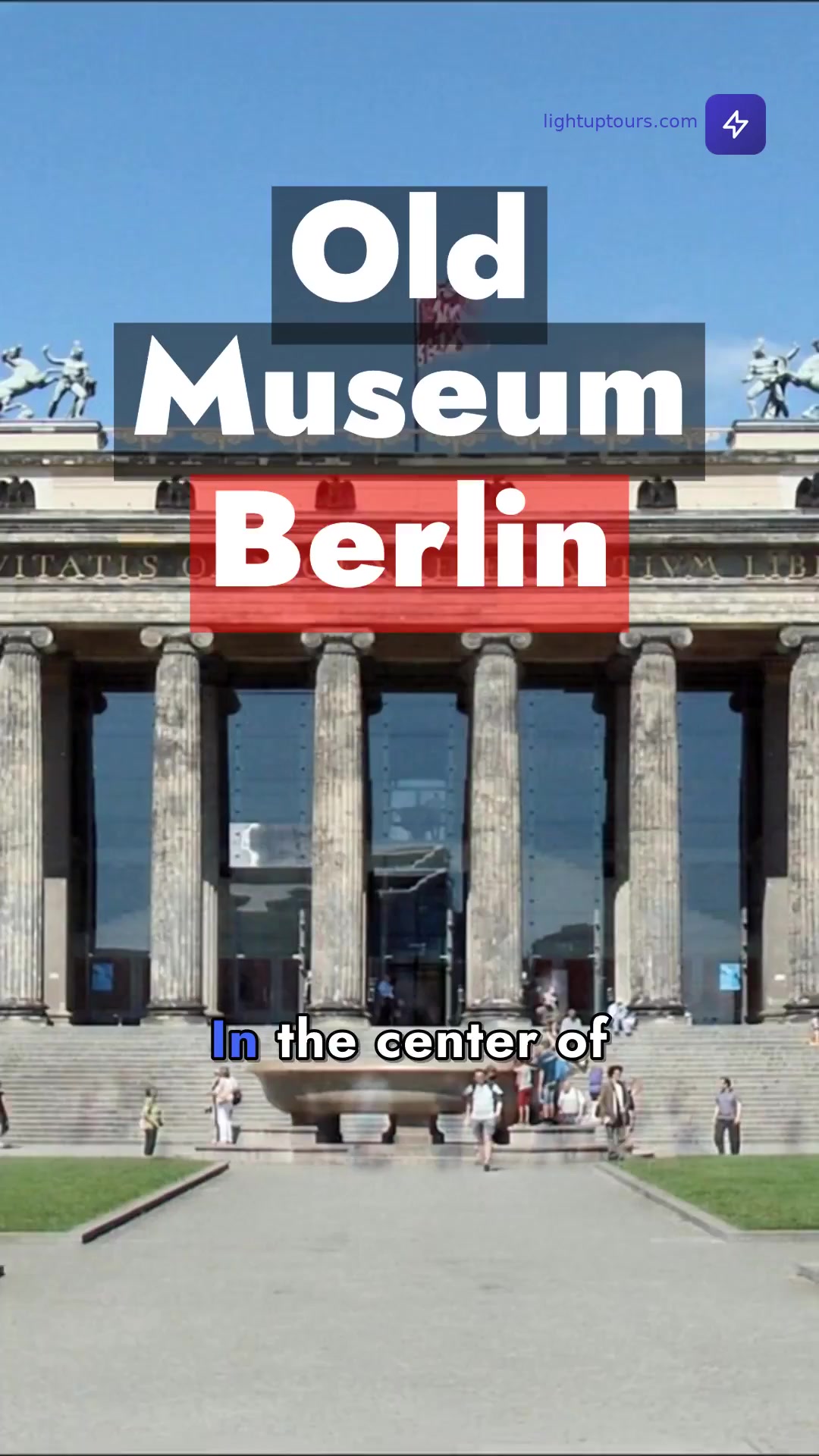
"Old Museum" Old Museum
BerlinListen to the story→Day 2 — The Wall and the east
Begin at Checkpoint Charlie. It is touristy and rebuilt, but it is the right starting point, because six hundred metres west is the Topography of Terror: the ground where the Gestapo and the SS leadership had their offices, now an open-air exhibition running along one of the longest surviving stretches of the Wall. Free, and the most sobering hour in Berlin.
Walk northeast to Alexanderplatz — the TV Tower, the World Clock, the Neptune Fountain and the medieval Marienkirche all sit within a few hundred metres of each other, and together they explain what East Germany wanted its capital to look like.
Then take the U-Bahn from Alexanderplatz to Warschauer Straße and come out at the East Side Gallery: 1.3 kilometres of the Wall painted in 1990, the longest open-air gallery in the world. End on the Oberbaum Bridge at sunset, which is where the two Berlins meet over the Spree.
Audio guides on this stretch
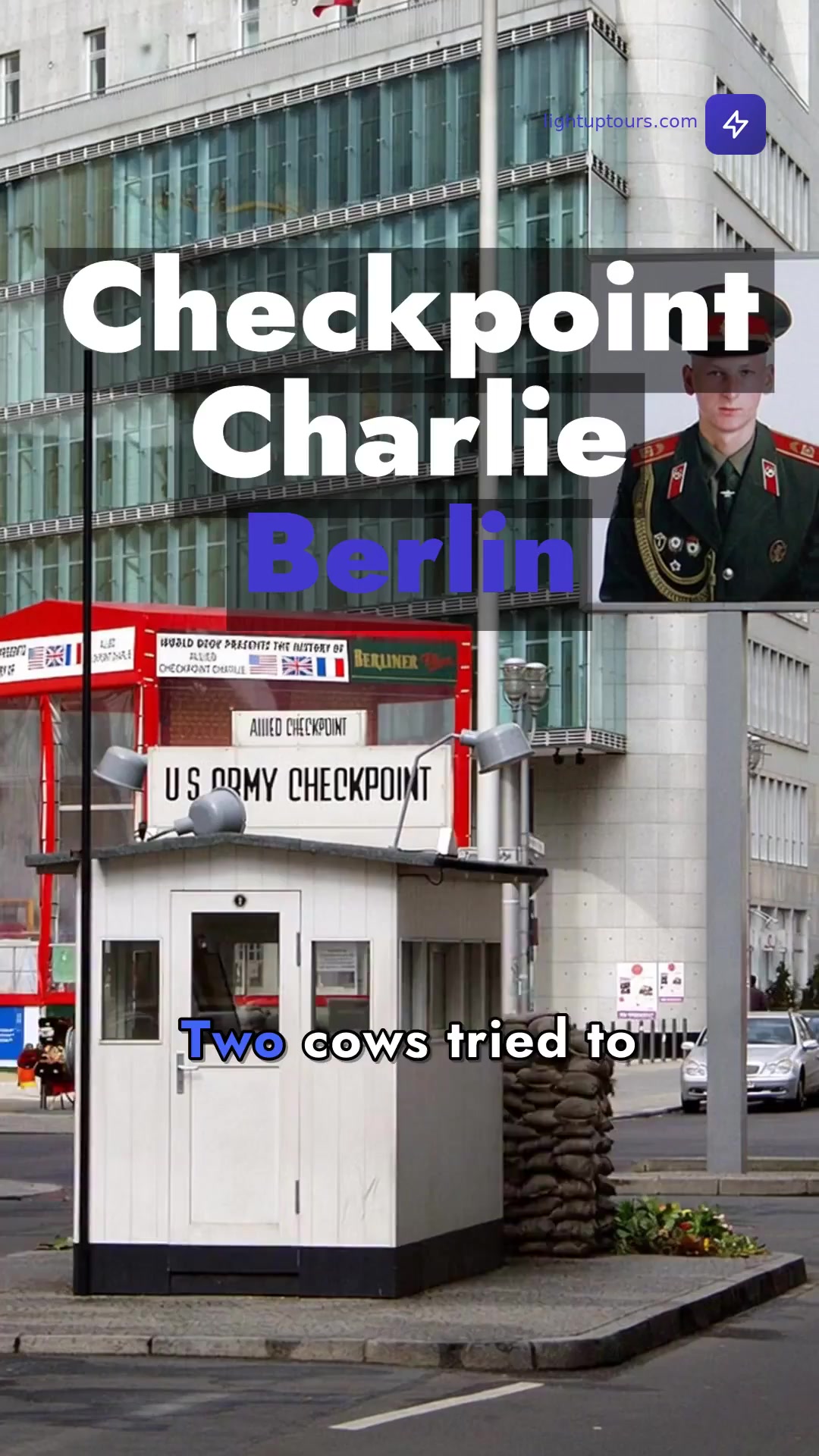
Checkpoint Charlie
BerlinListen to the story→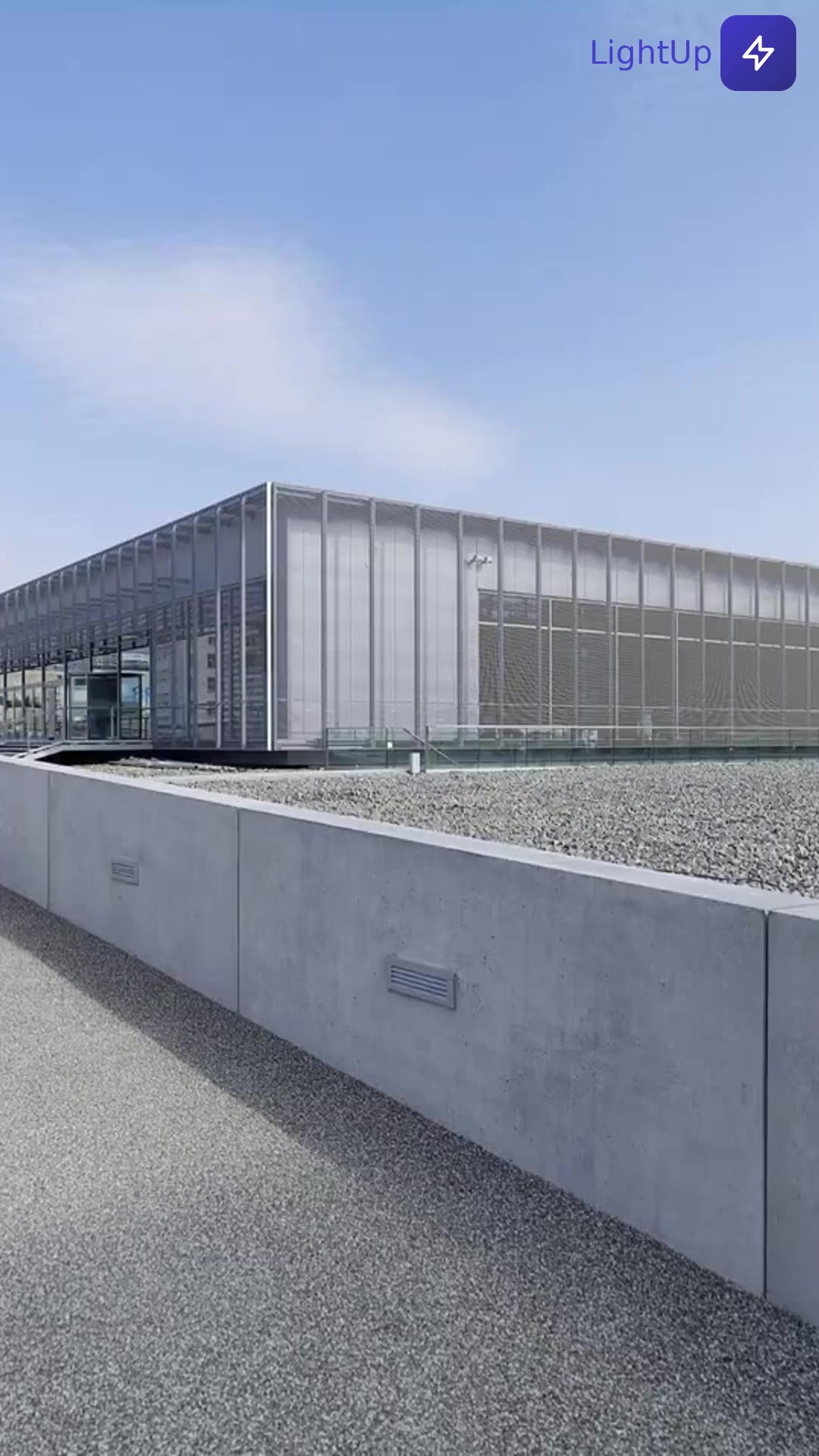
Topography of Terror + Berlin Wall
BerlinListen to the story→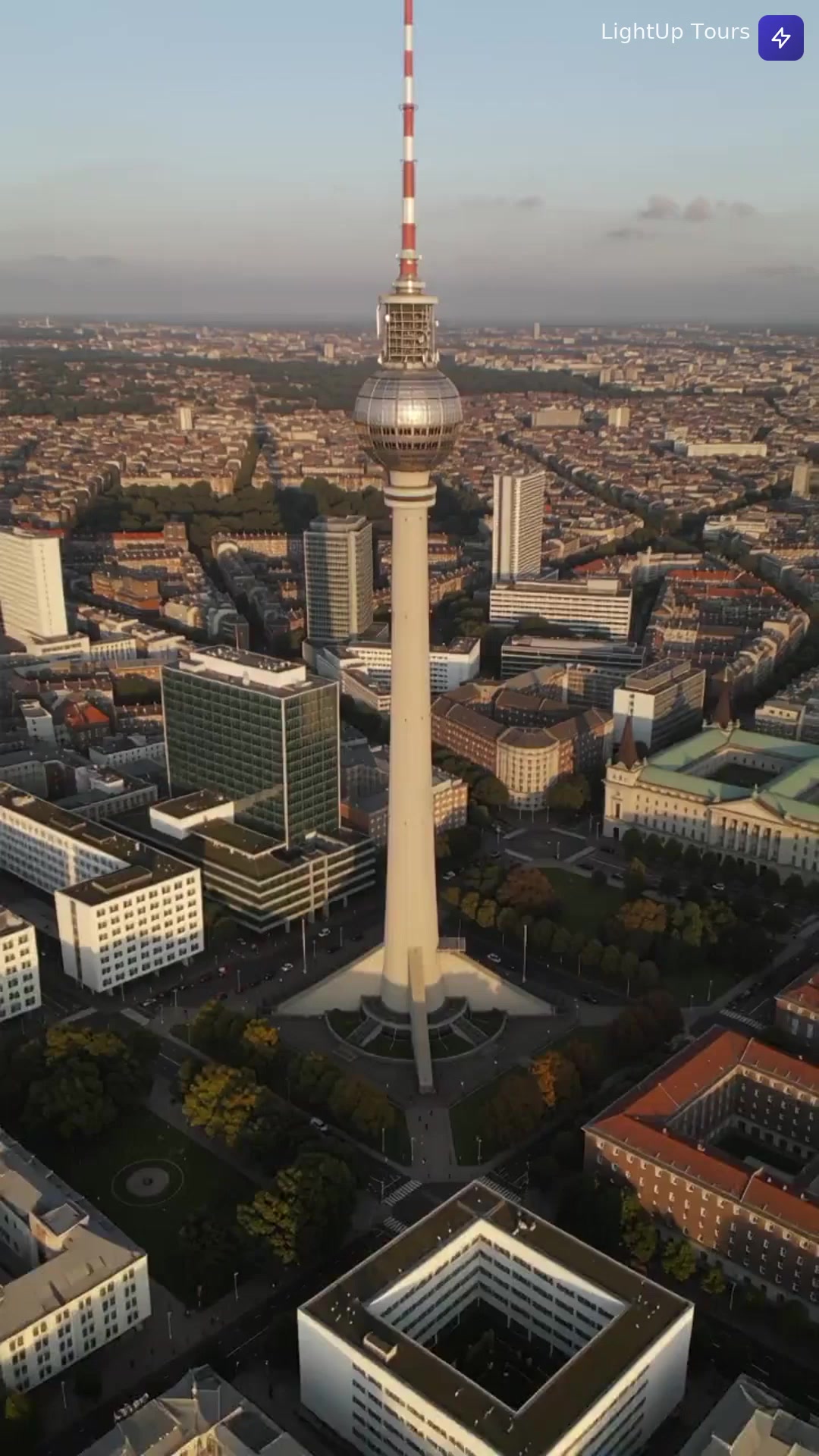
TV Tower (Fernsehturm)
BerlinListen to the story→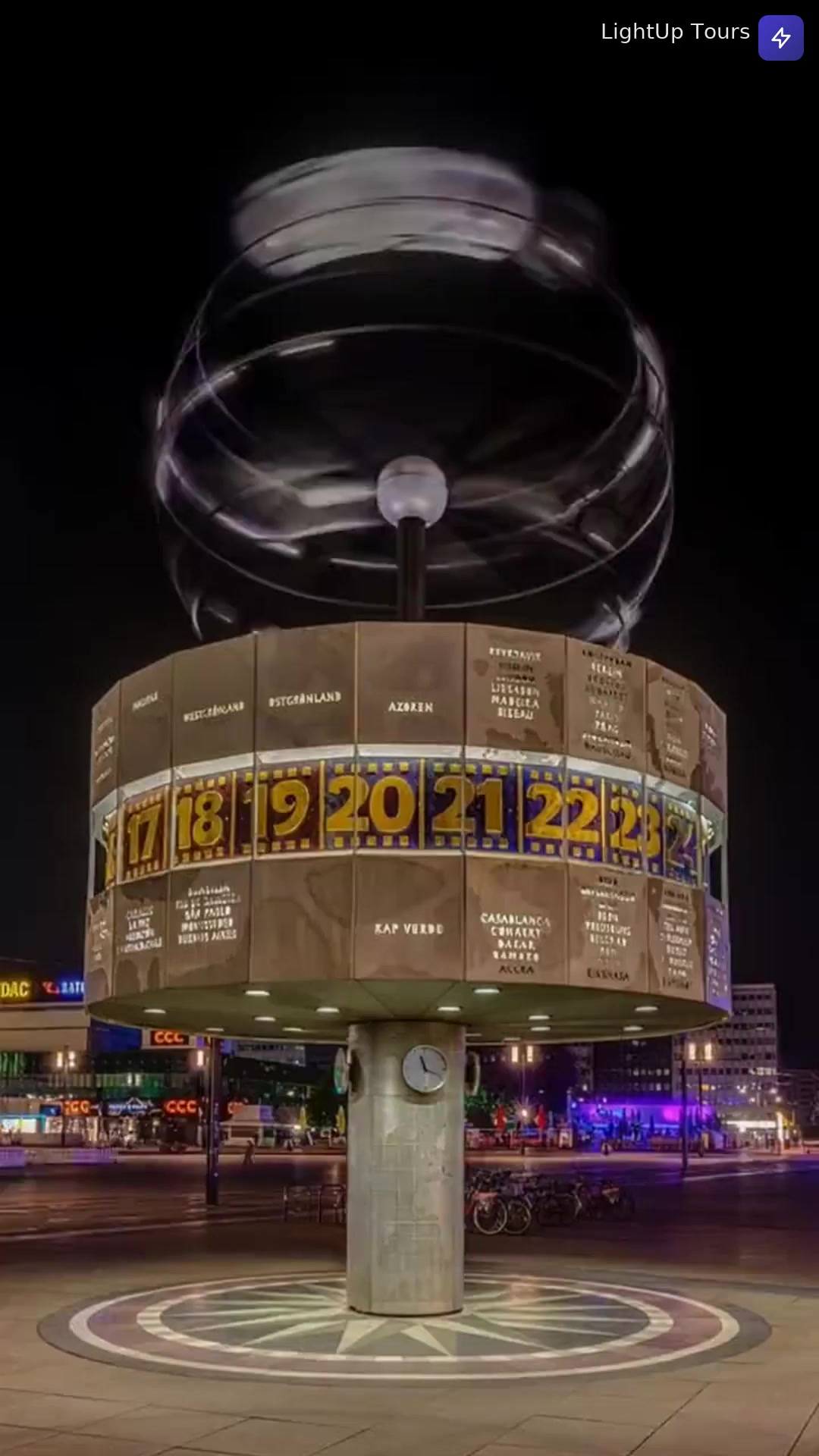
World Time Clock (Weltzeituhr)
BerlinListen to the story→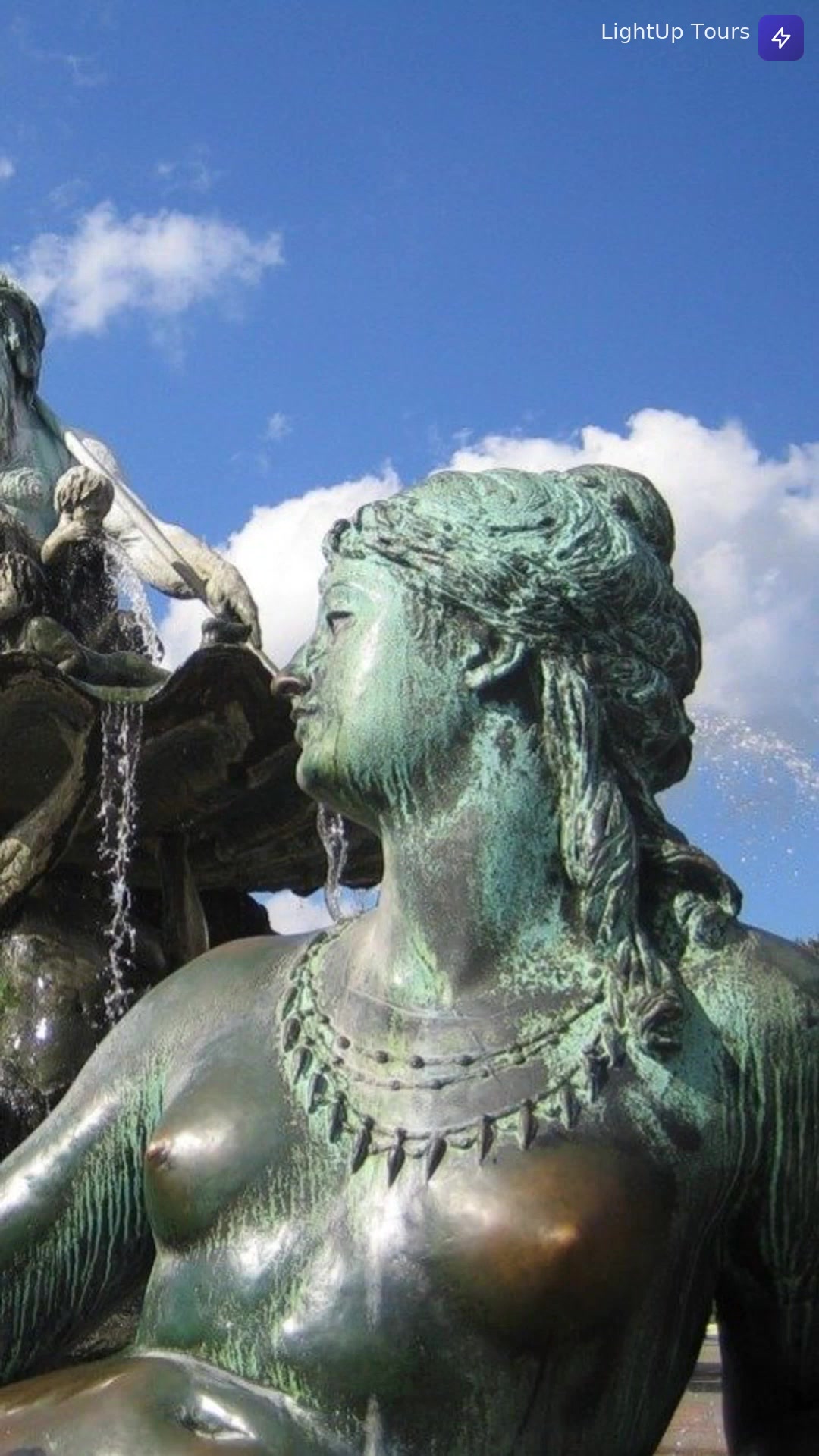
Neptune Fountain
BerlinListen to the story→
St. Marienkirche - Medieval Church
BerlinListen to the story→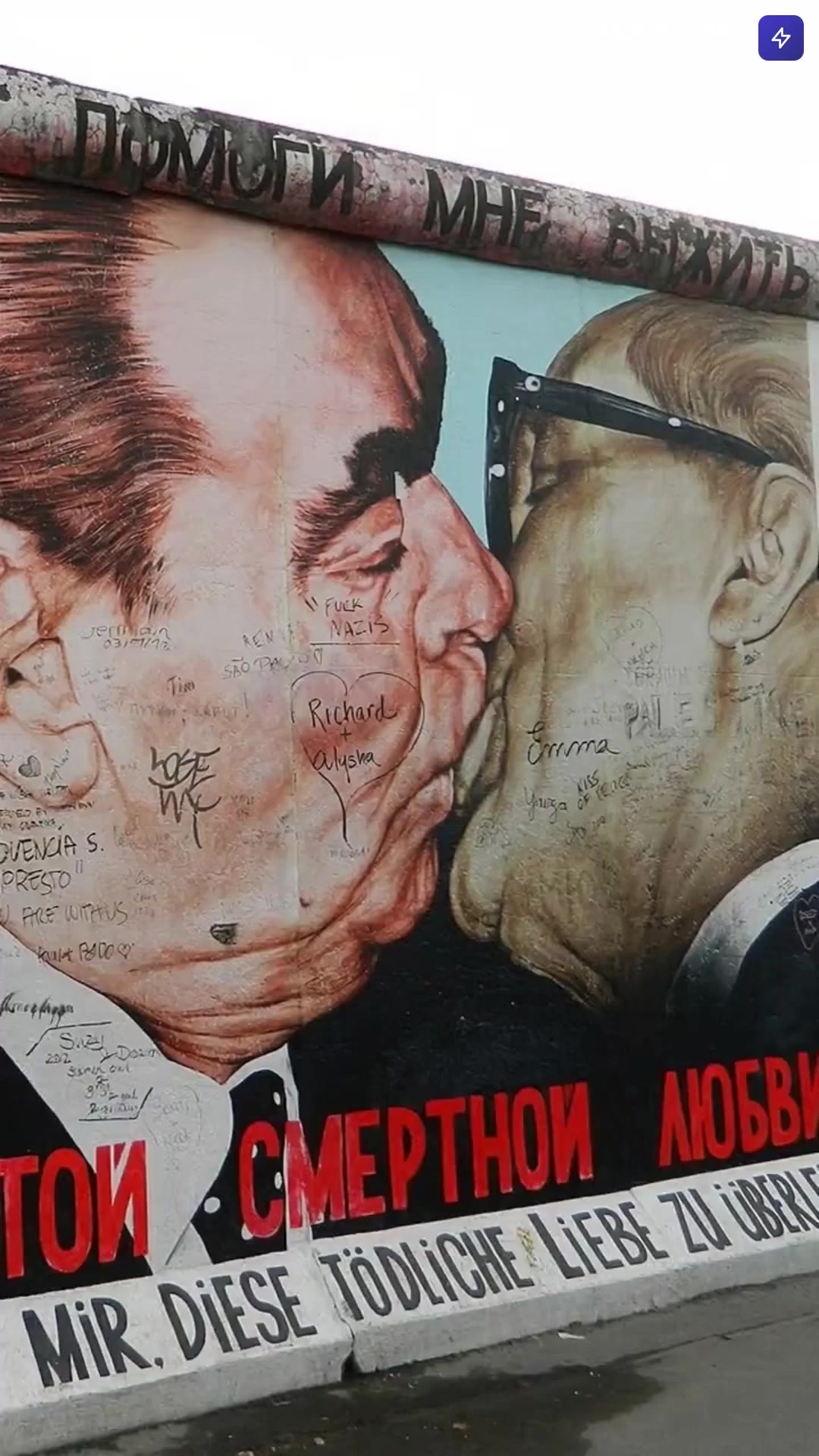
East Side Gallery
BerlinListen to the story→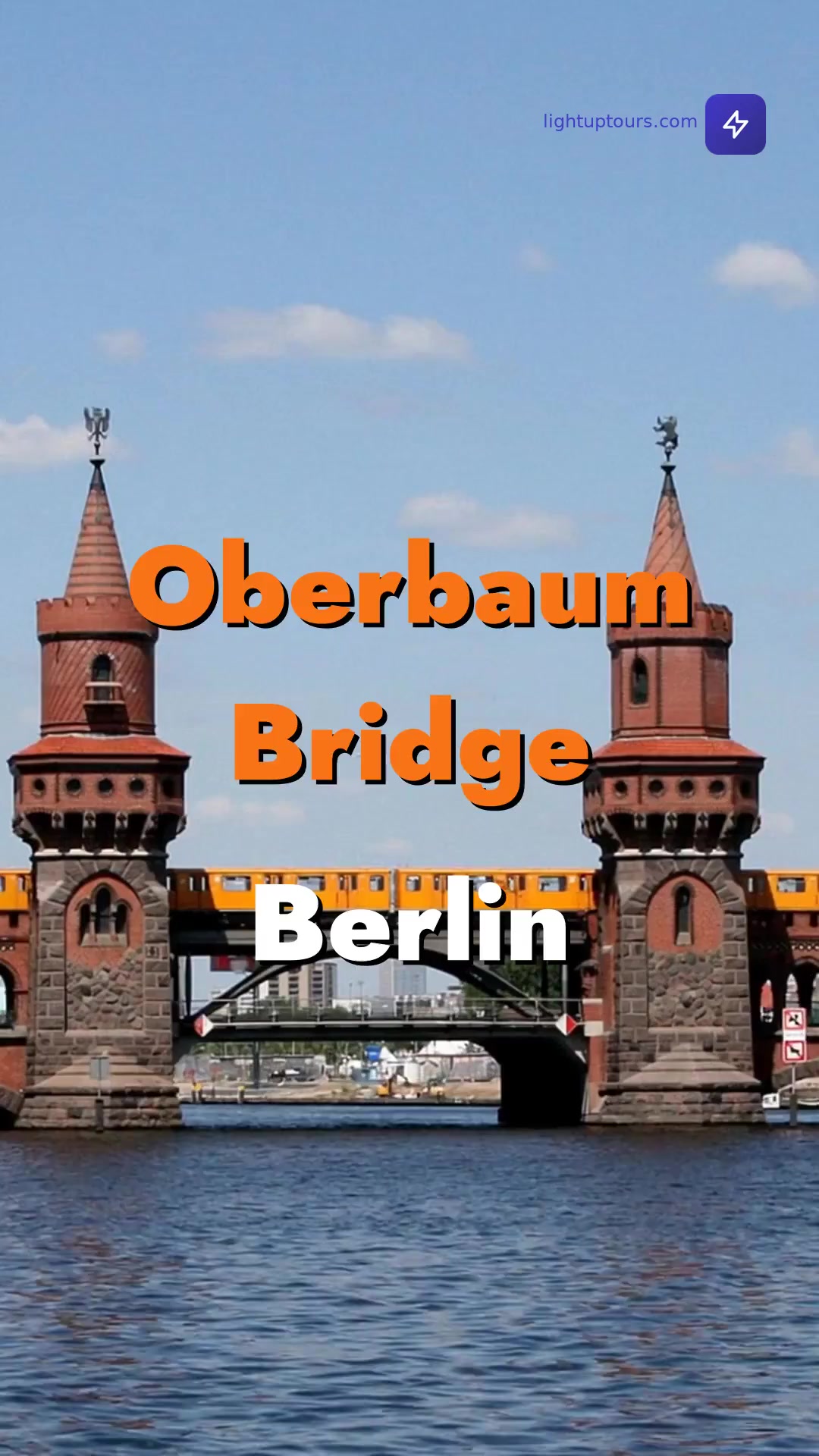
Oberbaum Bridge
BerlinListen to the story→Day 3 — The Jewish quarter and Kreuzberg
The morning belongs to Scheunenviertel, the old Jewish quarter around Hackescher Markt. In one courtyard on Rosenthaler Straße you have the Anne Frank Centre and Otto Weidt's workshop for the blind, where a brush maker hid his Jewish employees from the Gestapo. Two minutes away, the golden dome of the New Synagogue on Oranienburger Straße. The Hackesche Höfe next door are the prettiest courtyards in the city.
In the afternoon, cross to Kreuzberg. Market Hall Nine for lunch, Kottbusser Tor for the loud, immigrant, unpolished Berlin that no postcard shows, Görlitzer Park to see how the city actually spends its Sundays.
Finish at the RAW-Gelände in Friedrichshain, an abandoned railway repair yard turned into a chaos of murals, clubs and skate ramps. It is the least monumental thing on this list and, for a lot of visitors, the one they remember.
Audio guides on this stretch
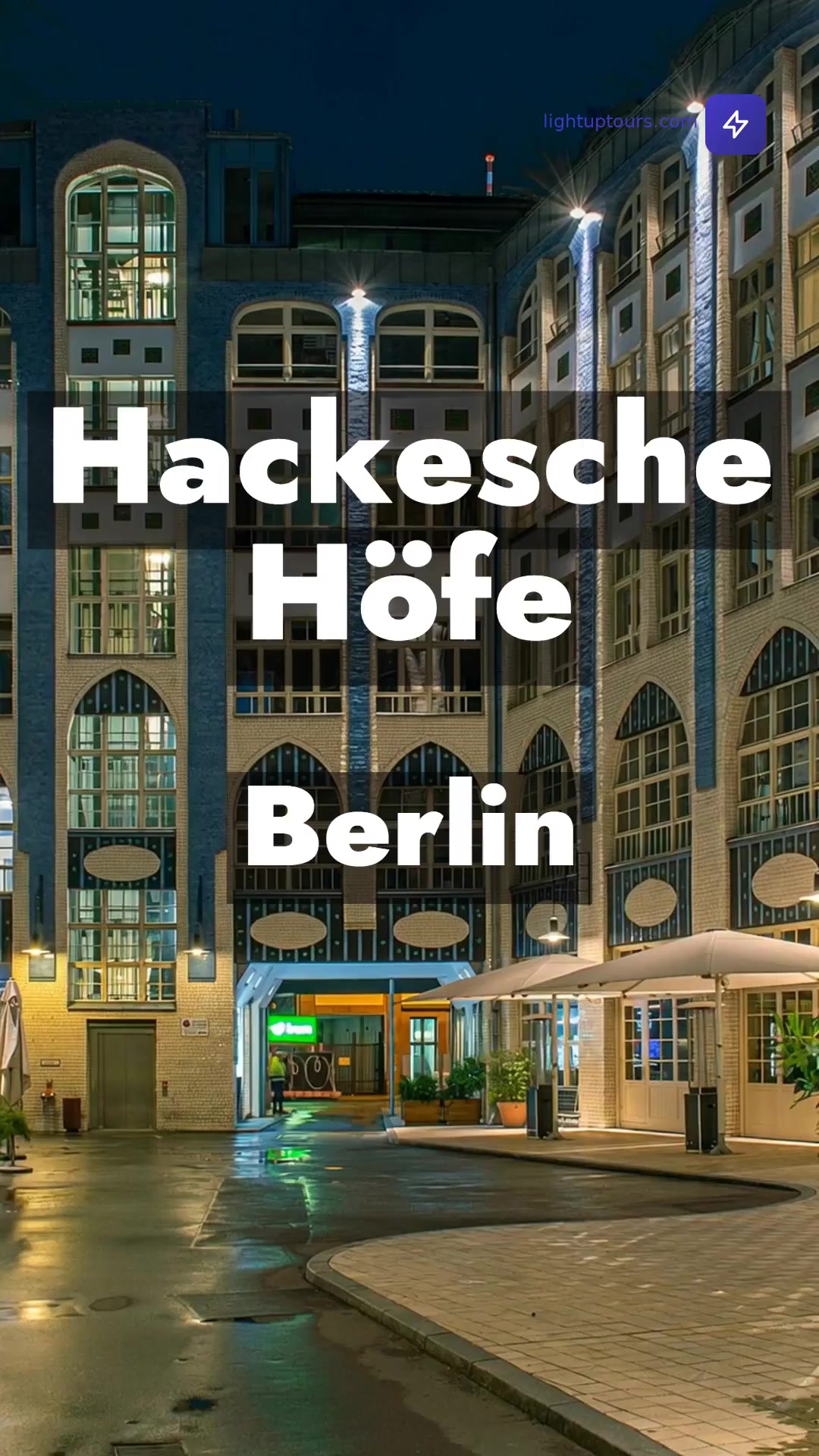
Hackesche Höfe
BerlinListen to the story→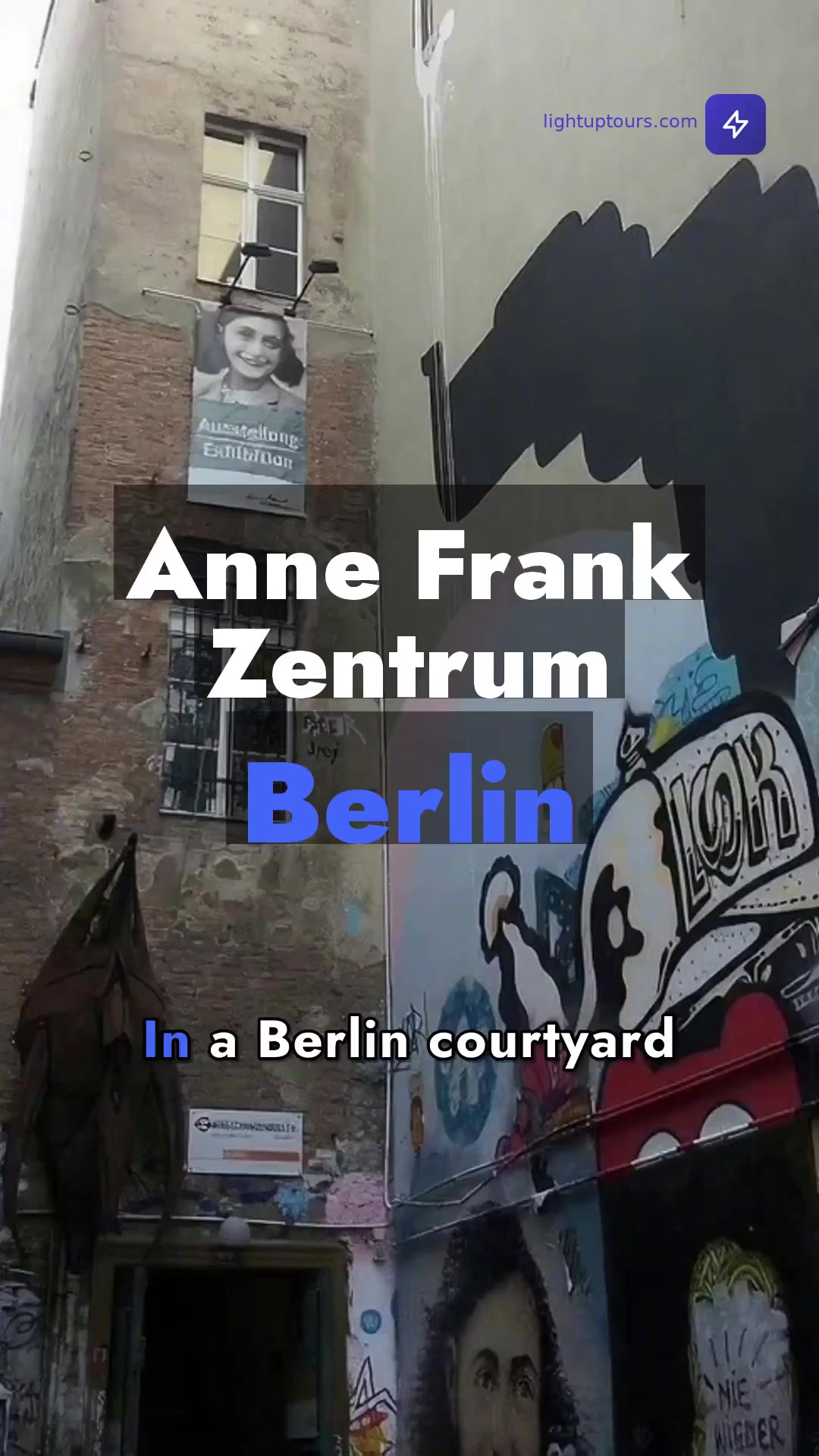
Anne Frank Center
BerlinListen to the story→
Museum Blindenwerkstatt Otto Weidt
BerlinListen to the story→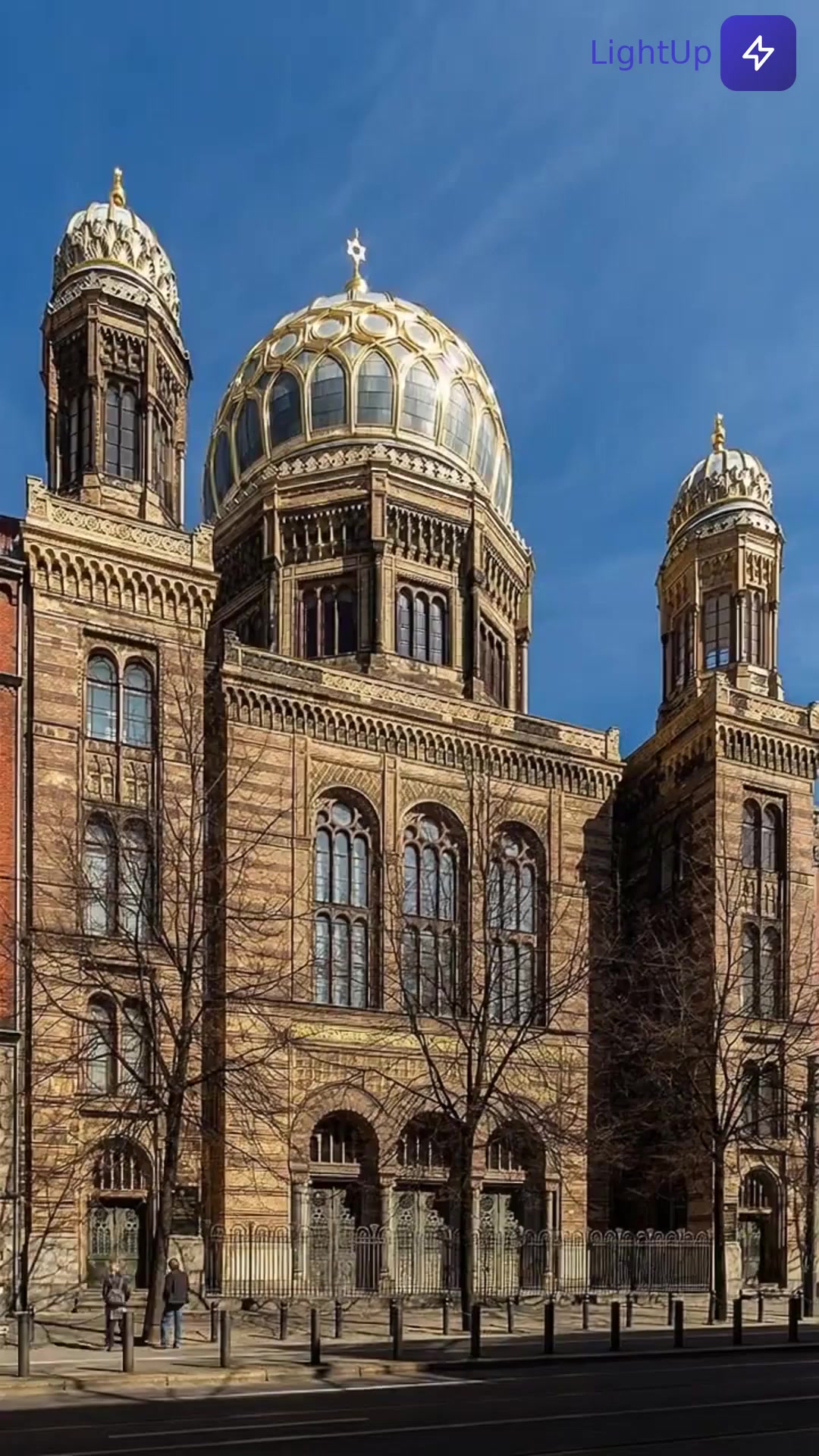
New Synagogue
BerlinListen to the story→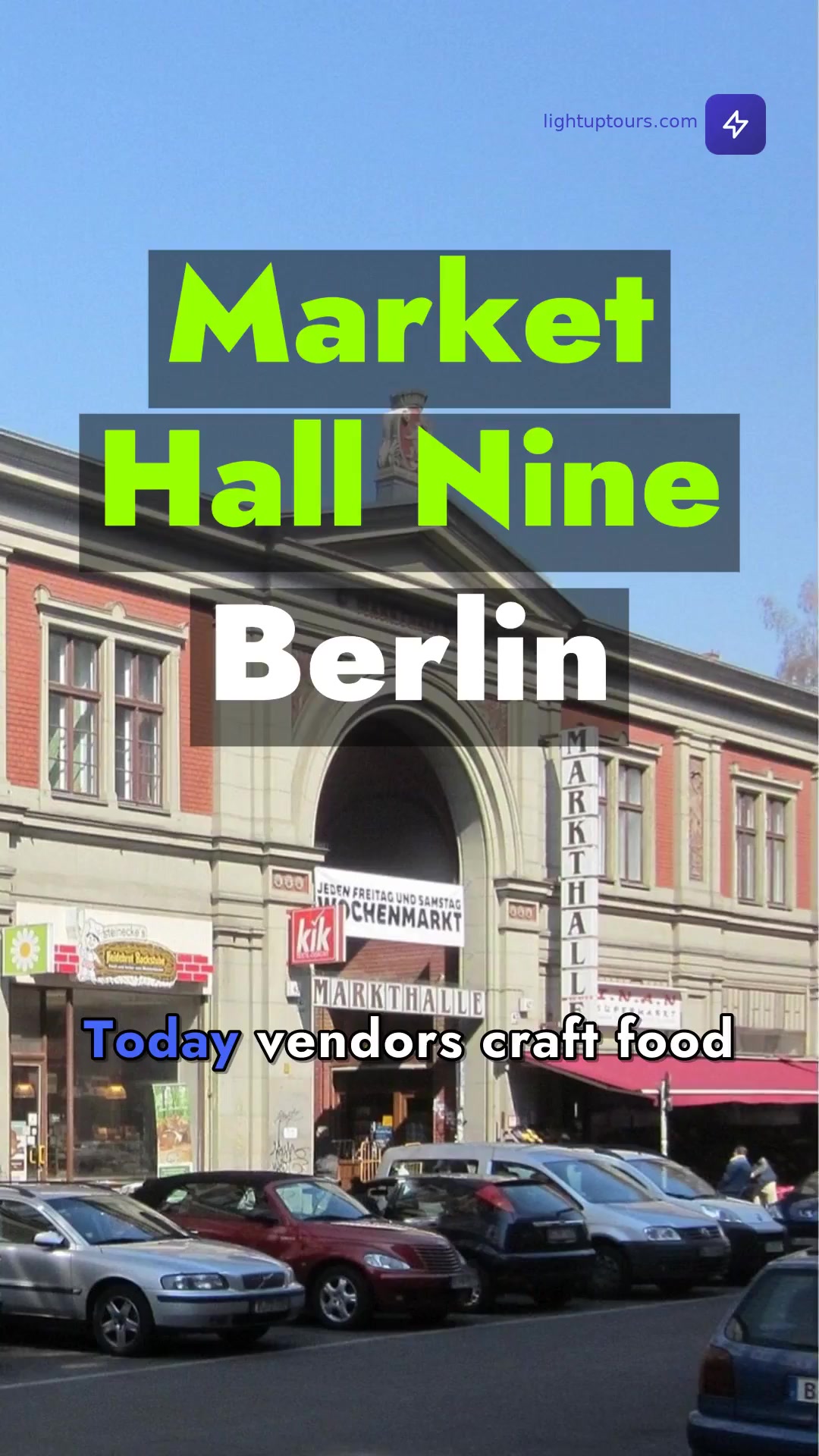
Market Hall Nine
BerlinListen to the story→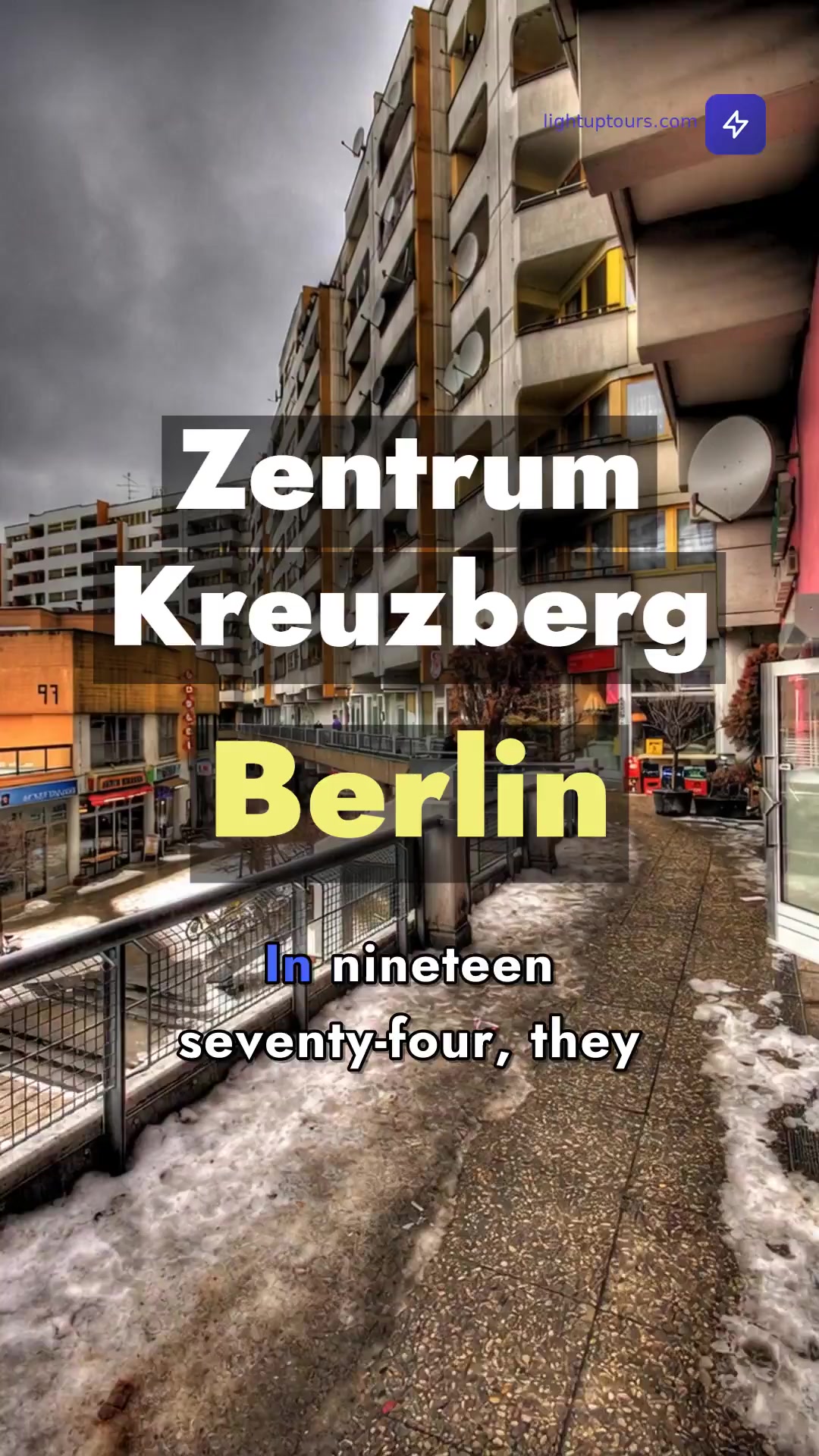
Kottbusser Tor
BerlinListen to the story→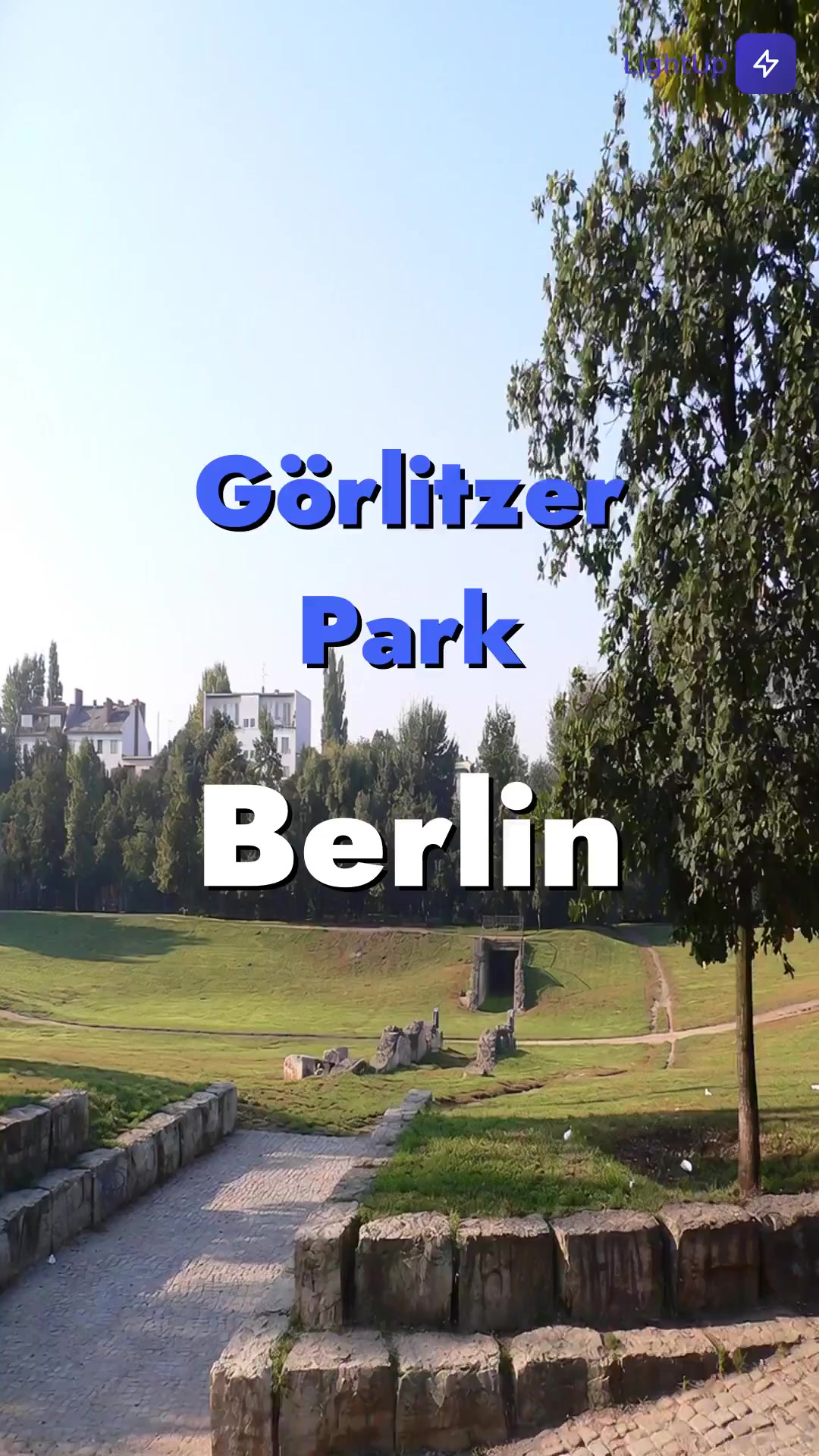
Görlitzer Park
BerlinListen to the story→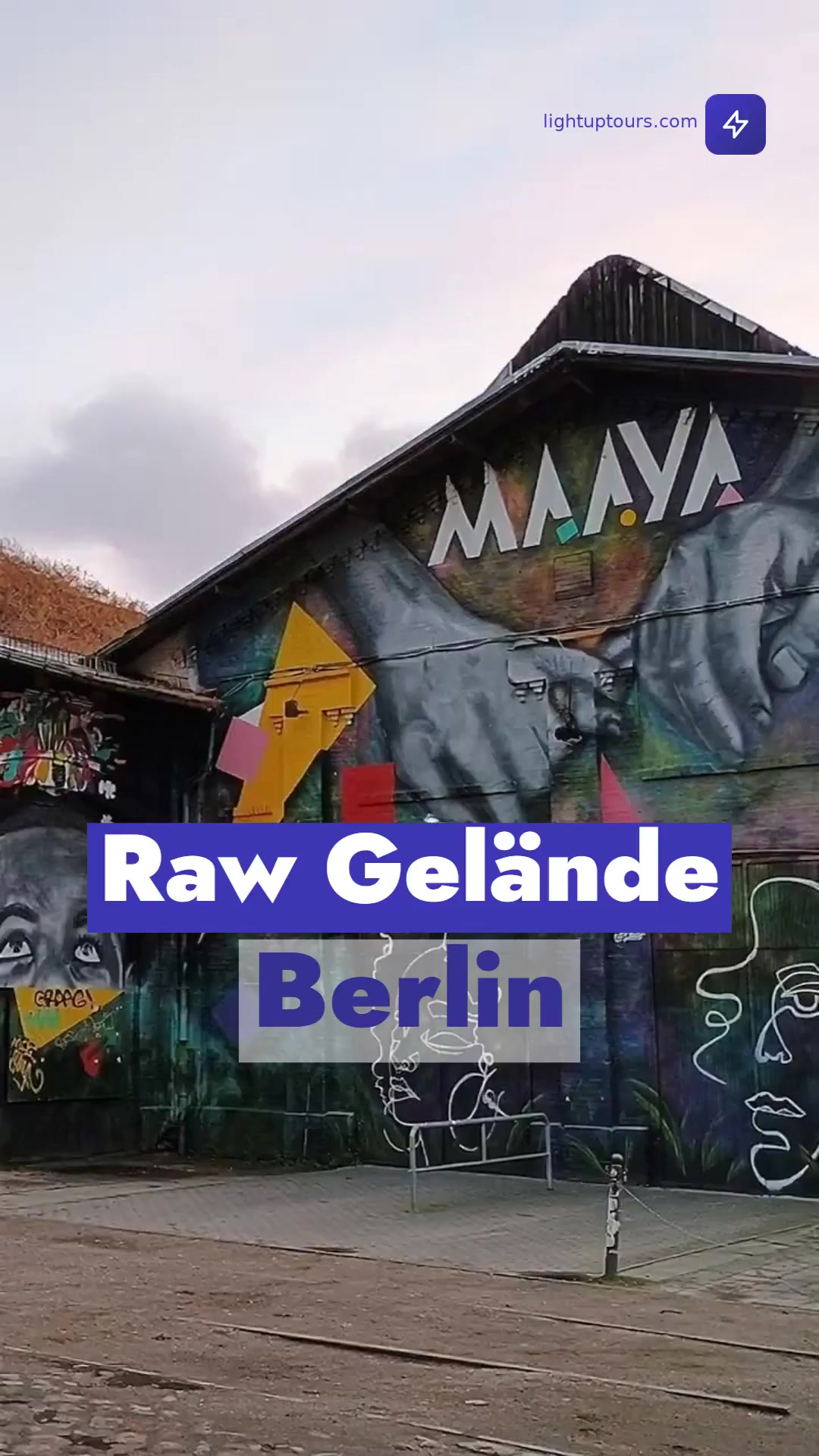
RAW-Gelände
BerlinListen to the story→If you have a fourth day: the west
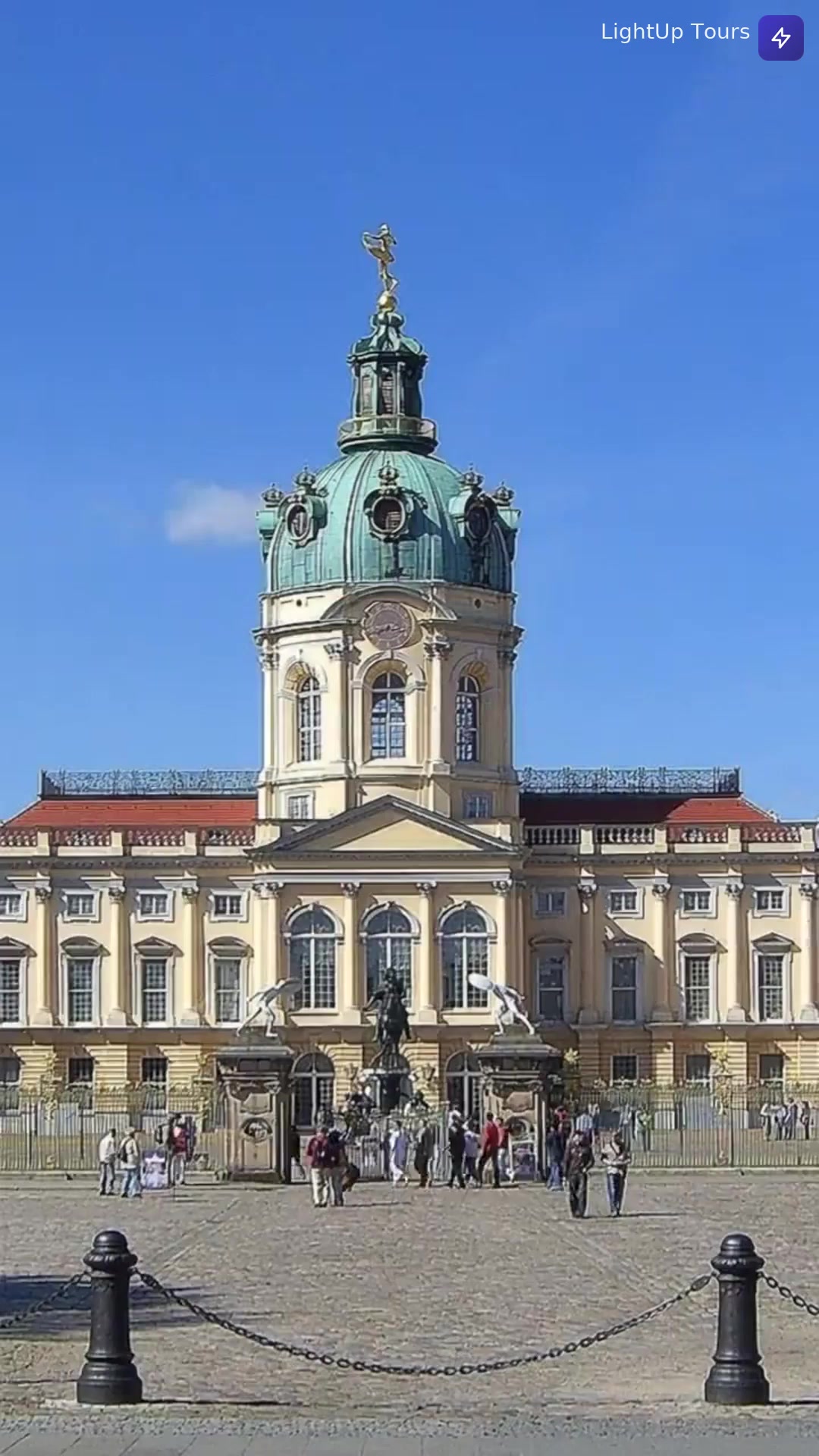
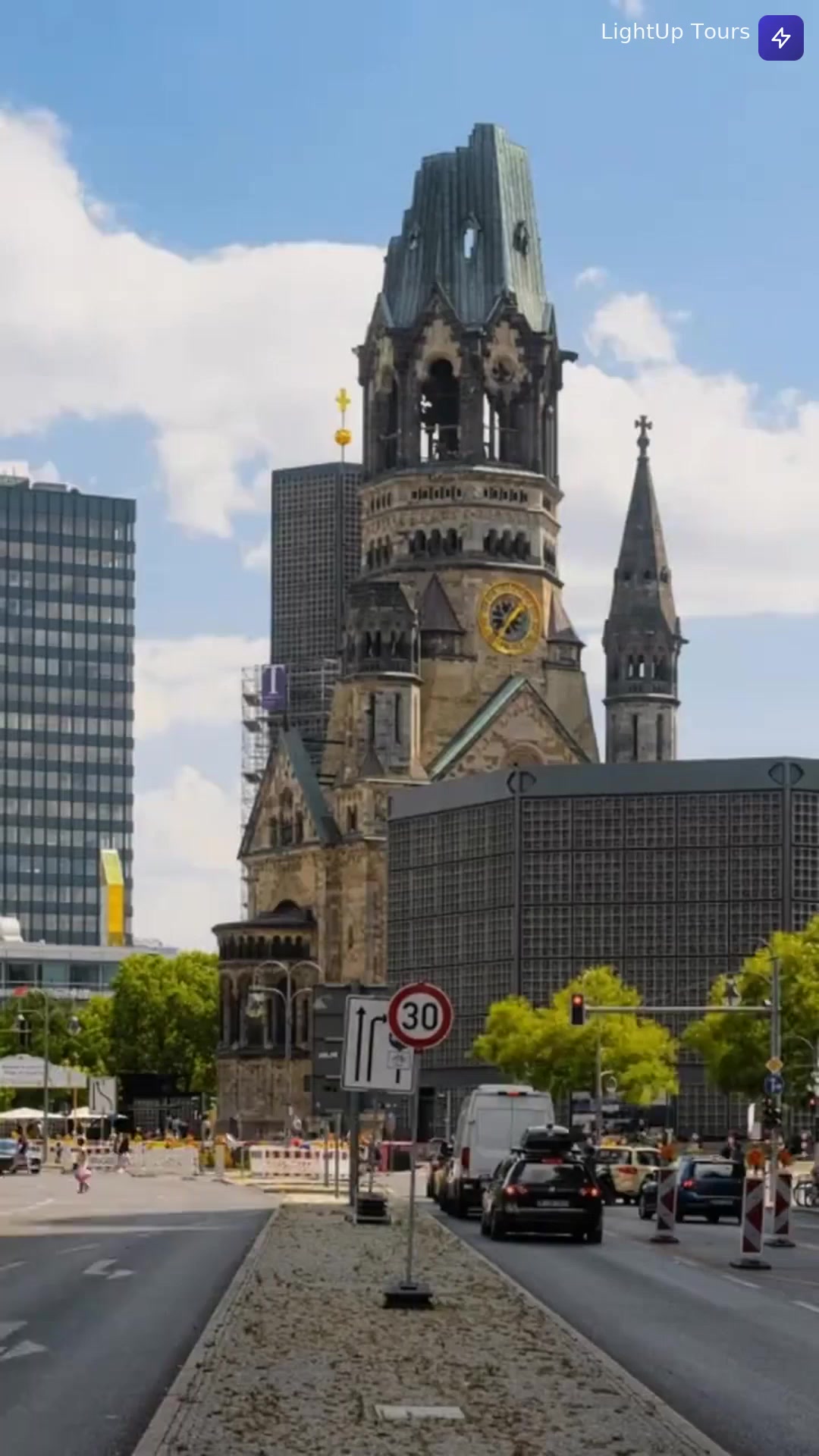
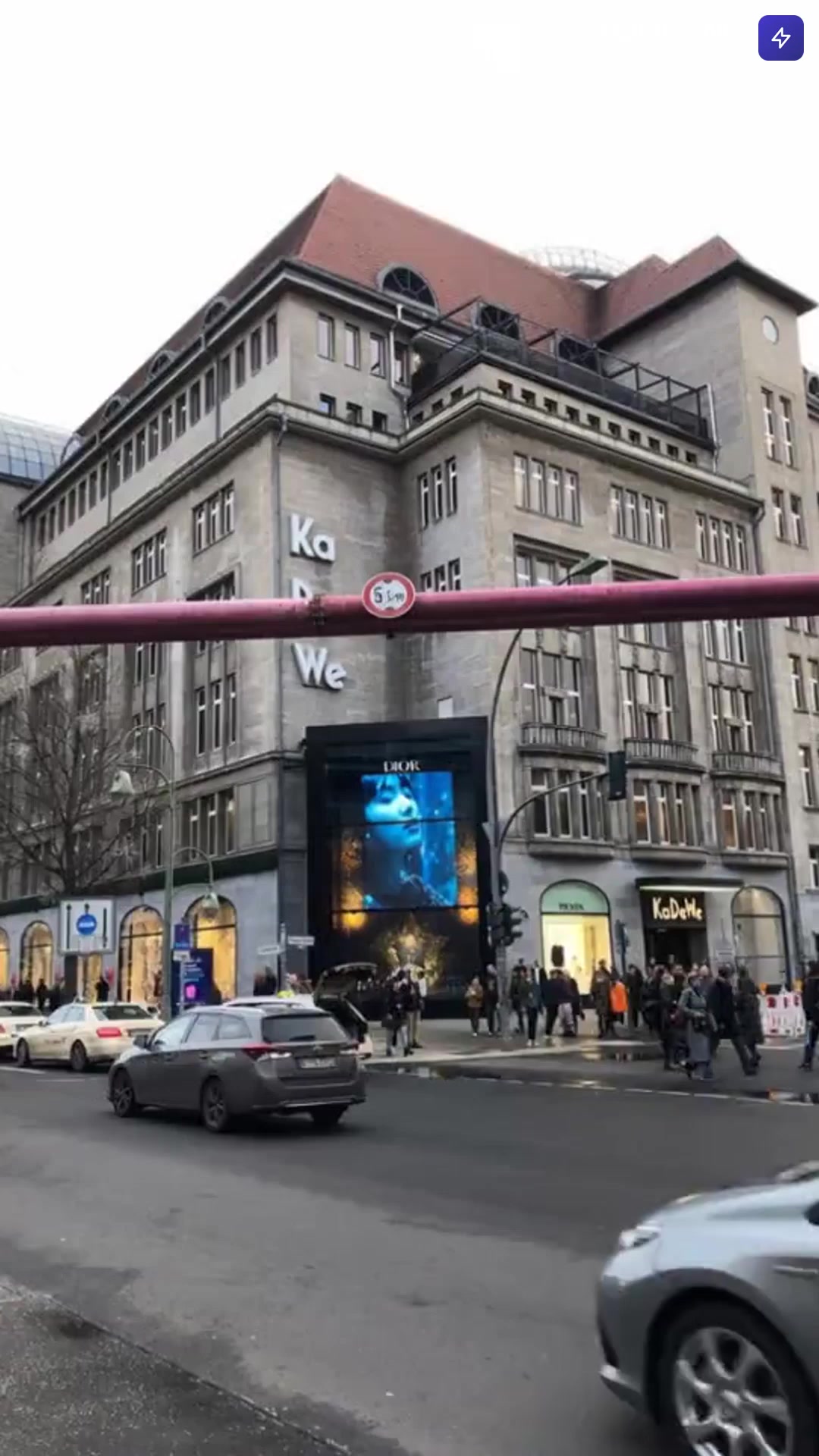
Everything above is the eastern half and the centre. The old West Berlin is a different city and deserves its own morning: Charlottenburg Palace, the largest palace in Berlin and the only real taste of Prussian royalty; the Kaiser Wilhelm Memorial Church, left broken on purpose since 1943 as an anti-war monument; and KaDeWe, the department store that was West Berlin's shop window during the division.
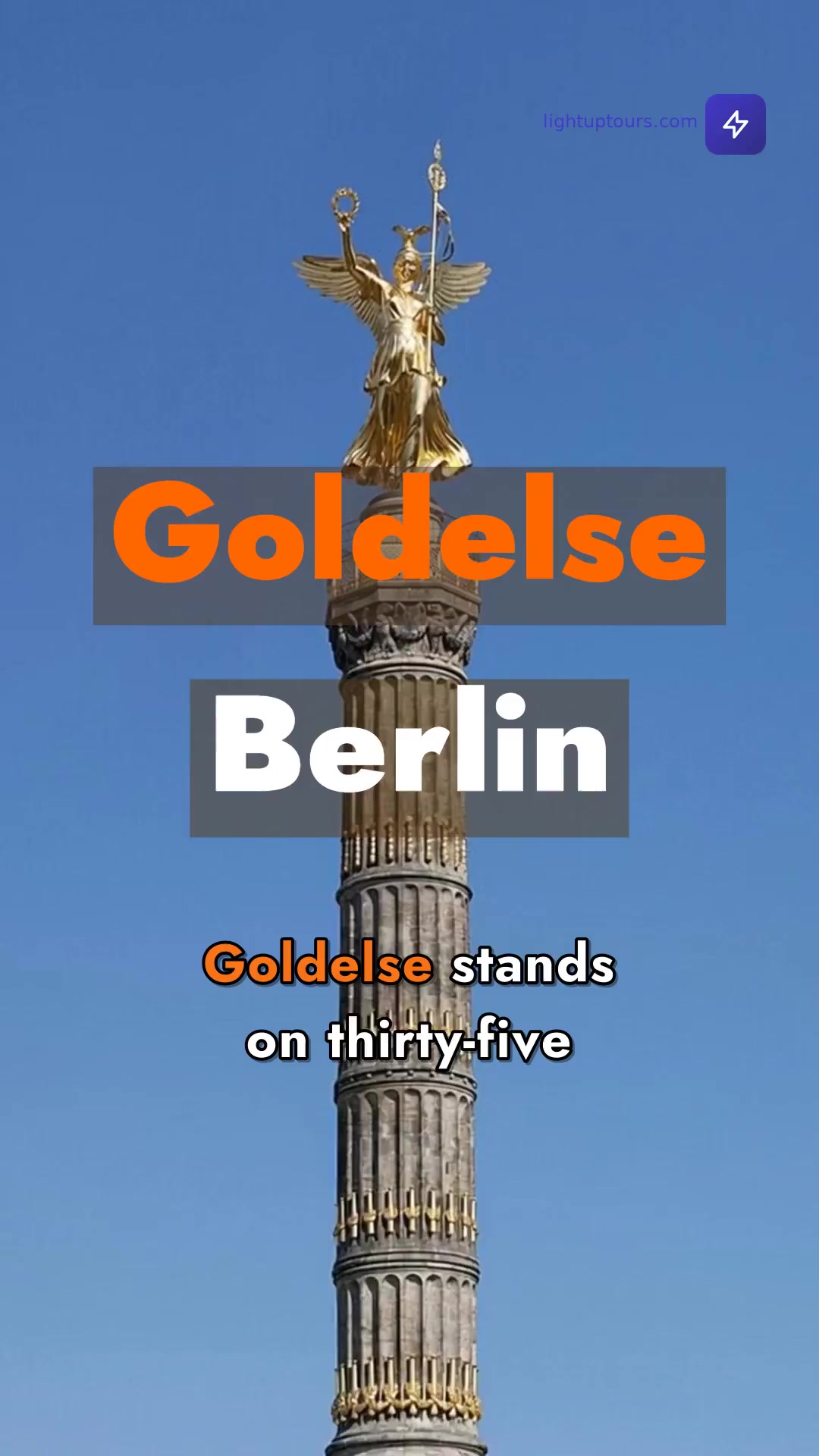
On the way, the Victory Column in the middle of the Tiergarten is worth the climb — 285 steps and the best free view over the park, with the Brandenburg Gate lined up perfectly at the end of the avenue.
How far you really walk
Between seven and nine kilometres a day, spread over six or seven hours with constant stops. That is comfortable for most people in trainers and brutal in new shoes. Berlin is flat — there is not a single climb on this itinerary — but the blocks are long and the distances lie: what looks like two streets on the map is often a kilometre.
Two train rides are worth taking rather than walking: Alexanderplatz to Warschauer Straße on day two, and Kreuzberg back to the centre at the end of day three. An AB day ticket covers the whole area of this itinerary; you only need zone C for the airport. Buy it once and stop thinking about it.
The 100 and 300 buses do a large part of day one's route above ground and cost the same as any other ticket — a decent rescue plan for tired legs or rain.
When to go and at what time
May to September is the obvious answer: long evenings, everything outdoors, and the city genuinely lives on the street. Late spring and early autumn have the same daylight with fewer people. Winter is dark by four in the afternoon and the outdoor sites lose half their meaning — if you come in December, plan more museums.
Time of day matters more than season for the famous places. The Brandenburg Gate before nine in the morning is a completely different monument than at midday. The Holocaust Memorial in the low light of late afternoon is when the field of stelae does what it was designed to do.
Check opening days before you set out: most museums close on Mondays, the Reichstag dome needs advance registration, and market halls only open on certain days.
Doing it with an audio guide
Every stop in this itinerary has a free audio guide narrated in seven languages. You walk at your own pace, stop where you want, and hear the story standing exactly where it happened — no group, no fixed departure time, no guide waiting for the slow ones.
Download them over hotel wifi before you leave in the morning and they work offline, which also solves the roaming problem. If you only listen to three, make them the Bebelplatz, the Topography of Terror and the East Side Gallery: those are the three places that look like nothing and mean everything.
Audio guides in Berlin
Hear Berlin narrated in 7 languages

More from the blog


Take LightUp with you
Self-guided audio tours in 7 languages, offline-ready. Download the app and start exploring.