Hackesche Höfe
Hackesche HöfeAudio guide
 Told byLightUp
I’ll tell you the secrets of Hackesche Höfe. I guide you here with the map, or you can listen from home. What you see is not what you think, and knowing it is worth it. Some narrations are AI voices and others are real people.
How it works
- Go there
the app walks you there from wherever you are. - Listen on the spot
the story plays when you arrive, in your language if it was recorded in it. - Keep discovering
the Berlin map has more gems like this one, and you can put them together in a tour.
Scan it with your phone
Point your camera at the QR code
Story
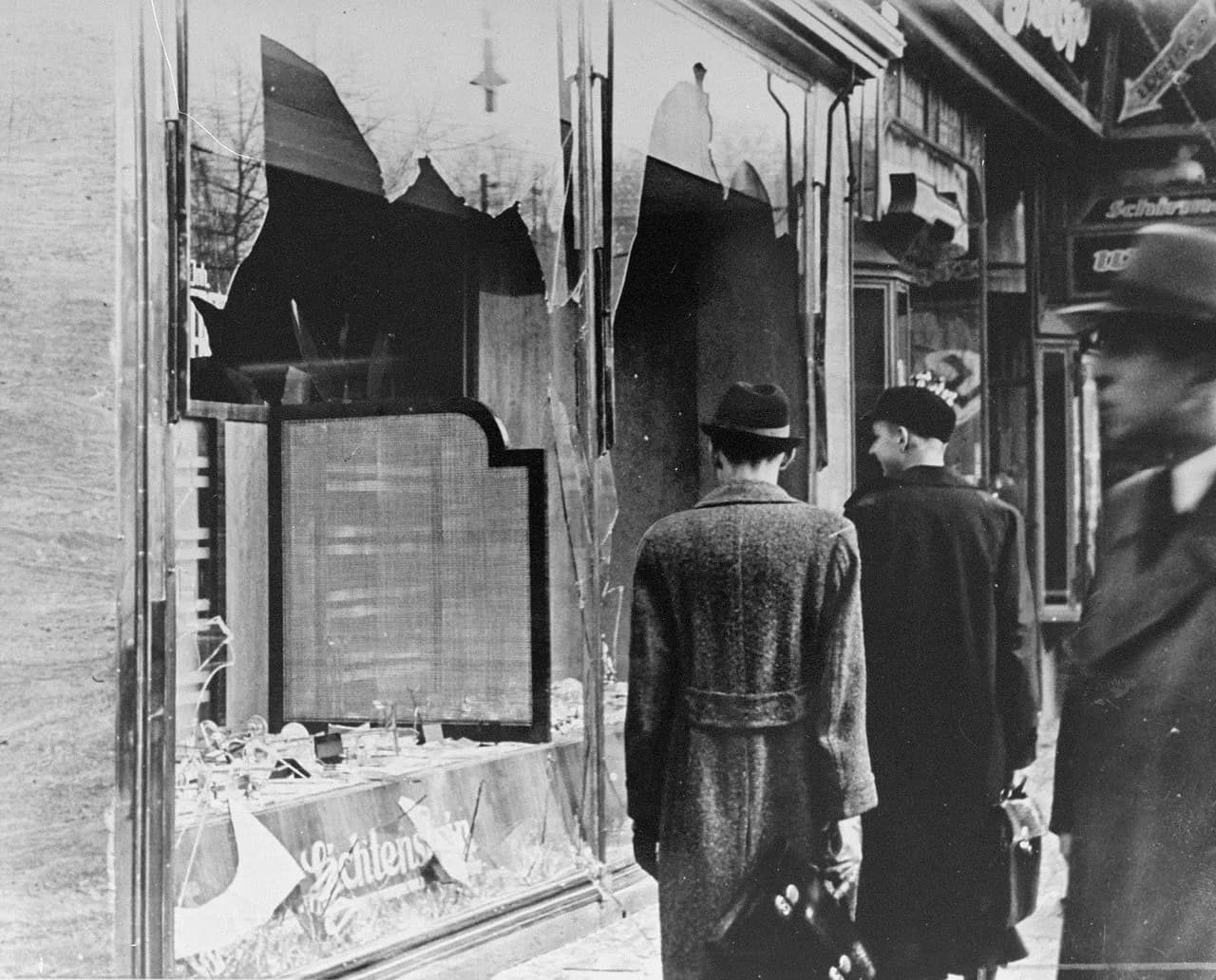
In the heart of Berlin Mitte, a story of resilience, honor, and transformation unfolded in these courtyards. Let me tell you how it began. Vienna expelled its Jews in sixteen seventy. The Great Elector of Prussia invited them to Berlin—he needed people to rebuild after war. They came. But they had no rights. They paid to stay. In seventeen thirty-seven, the King needed barracks for soldiers. He ordered the Jews out of their homes and into a single neighborhood. This one. Confined, not welcomed. But something unexpected happened. Writers, painters, musicians moved into these courtyards. Yiddish theatre opened. Art Nouveau buildings rose. Culture bloomed in captivity. In nineteen forty-one, the Nazis came to these courtyards. They took everyone. Thousands who danced here, worked here, lived here—gone. The buildings survived. The people didn't. But their names, their songs, their faces—they're still here if you know how to look.
Visiting Hackesche Höfe
- How to get there
- The closest stops are U Weinmeisterstraße/Gipsstraße tram stop, 119 meters away, and Weinmeisterstraße metro/train stop, 137 meters away.
- Entry and price
- Entry is free.
Frequently asked questions
What is the significance of the Hackesche Höfe?
The Hackesche Höfe, inaugurated on September 23, 1906, is the largest interconnected courtyard complex in Germany, designed by architect Kurt Berndt. It features a spectacular Art Nouveau facade by August Endell.
What should I look for when visiting Hackesche Höfe?
Look for the Art Nouveau facade with glazed tiles in the first courtyard. Also, notice the Stolpersteine, small brass plaques in the ground marking the last addresses of people deported and murdered during the Nazi era.
What happened in the Scheunenviertel area?
The Scheunenviertel area was once a vibrant Jewish district, home to many Eastern European Jews who fled pogroms. It was a lively, chaotic place until the Nazis' systematic persecution and deportation emptied the area by 1943.
What can I find in the Hackesche Höfe today?
Today, the Hackesche Höfe is a popular spot with shops, cafes, galleries, and a theater, attracting many tourists.
What is nearby Hackesche Höfe?
Nearby, you can find the Sophiensæle, an accessible venue, just 34 meters away, and the Handwerkervereinshaus, which has a commemorative plaque and is 43 meters away.
More audio guides in Berlin
Comments
No comments yet.