Holocaust Memorials in Berlin: What to Visit and How to Understand It
No city in the world has built its own guilt into its streets the way Berlin has. There is no single Holocaust memorial here: there is a field of 2,711 stelae beside the Brandenburg Gate, a pool of water for the Sinti and Roma, a concrete block for the persecuted homosexuals, an empty library sunk under a square, and thousands of brass cobblestones with names on them scattered across the pavements. This is a guide to visiting them — what each one is, why it looks the way it does, and how to walk them in one afternoon without turning it into a checklist.
Memory in Berlin
Berlin's Holocaust memorials, one by one, plus a three-hour walking route that links them. Free audio guides in 7 languages.
Topics
- •How Berlin remembers
- •The Memorial to the Murdered Jews of Europe
- •The other victims: Sinti, Roma and homosexuals
- •Where it was decided: Bebelplatz and the Topography of Terror
- •The Jewish quarter: the names behind the numbers
- •Stolpersteine: the memorial under your feet
- •A three-hour walking route
- •How to visit
How Berlin remembers
For decades after the war, Berlin's memory was mostly silence. The debate over a central Holocaust memorial ran for seventeen years before the first stone was laid, and the argument was never about whether, but about how: what shape can hold six million deaths without decorating them.
The answer the city arrived at is unusual. There is no statue, no hero, no allegorical figure anywhere in these memorials. There are abstract fields, empty spaces and absences — a library with no books, a pool with no name on it, slabs with nothing written on them at all. Berlin decided that what you must feel is missing, not represented.
That is why these sites can look underwhelming if nobody explains them. Almost every one of them is free, always open, and completely silent about itself.
The Memorial to the Murdered Jews of Europe
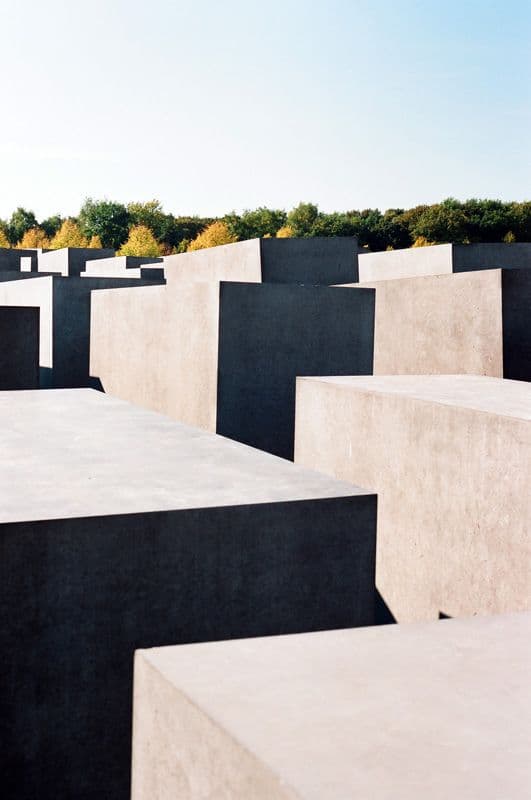
Two thousand seven hundred and eleven concrete stelae on a sloping field, one block south of the Brandenburg Gate. Peter Eisenman designed it and it opened in 2005. No names, no inscriptions, no explanation on the surface — and the architect refused to give the number any meaning, which is itself the point.
Walk into the middle rather than around the edge. The ground drops away, the slabs rise over your head, the traffic noise disappears and you lose sight of anyone you came with. That disorientation is the whole design, and you only get it by going in.
Underneath is the Information Centre, free, with the names and the individual stories — the human counterweight to the abstraction above. It closes on Mondays. The memorial itself is always open, day and night.
Audio guides on this stretch
The other victims: Sinti, Roma and homosexuals
Five minutes north, on the edge of the Tiergarten, is the memorial to the Sinti and Roma murdered under National Socialism — a dark circular pool with a triangular stone at its centre where a fresh flower is placed each day. It opened in 2012, sixty-seven years after the war, which tells you how long it took Germany to recognise these victims at all.
Across the road from the field of stelae, in the park, stands a single grey concrete block with a small window. Look in and a film loops inside. It is the memorial to the homosexuals persecuted under the Nazi regime, opened in 2008 — and its deliberate resemblance to one of Eisenman's stelae is an argument in itself.
Both are easy to walk straight past. Both take five minutes and change how you read the big memorial next door.
Where it was decided: Bebelplatz and the Topography of Terror
On 10 May 1933, students burned around twenty thousand books on Bebelplatz. The memorial is a glass plate set into the paving: look down and you see a white room of empty shelves, sized for exactly the books that were destroyed. Beside it, a line from Heinrich Heine written in 1820: where they burn books, they will in the end burn people too. Most visitors cross the square without noticing either.
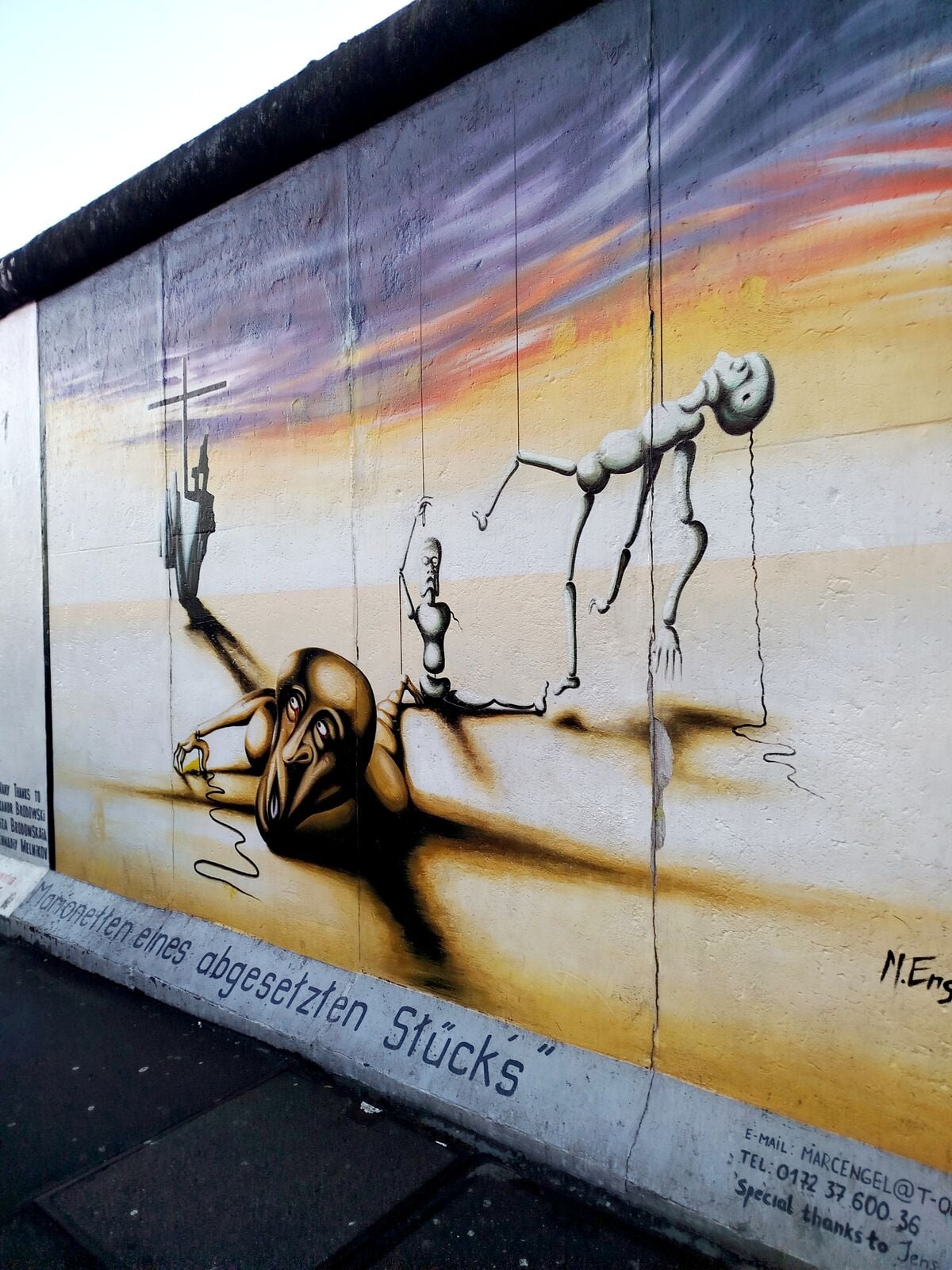
A kilometre south, the Topography of Terror occupies the ground where the Gestapo and the SS leadership planned all of it. The buildings are gone; what remains is an outdoor exhibition along one of the longest surviving stretches of the Wall, in the cellars of the vanished headquarters. It is free, and it is the place that explains the machinery behind everything else on this route.
Give the Topography a full hour. It is not a monument to the victims — it is a documentation of the perpetrators, with their photographs, their careers and, in many cases, their comfortable postwar lives.
The Jewish quarter: the names behind the numbers
The Scheunenviertel, north of Museum Island, was the heart of Jewish Berlin. On Große Hamburger Straße there was a Jewish old people's home used as a collection point for deportations, and the city's oldest Jewish cemetery, destroyed by the Gestapo in 1943. What stands there now is a memorial and an empty green space with almost nothing left in it.
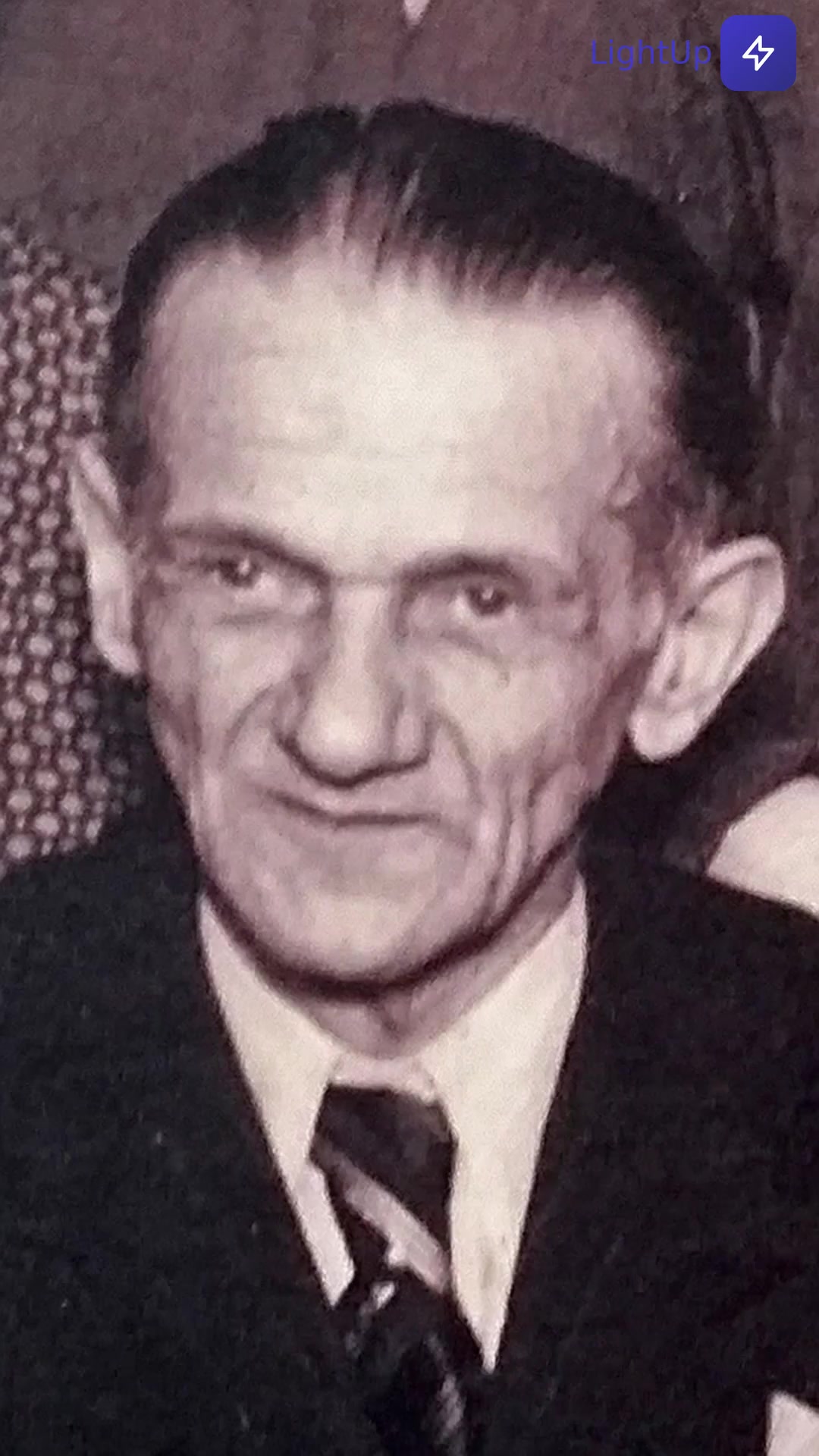
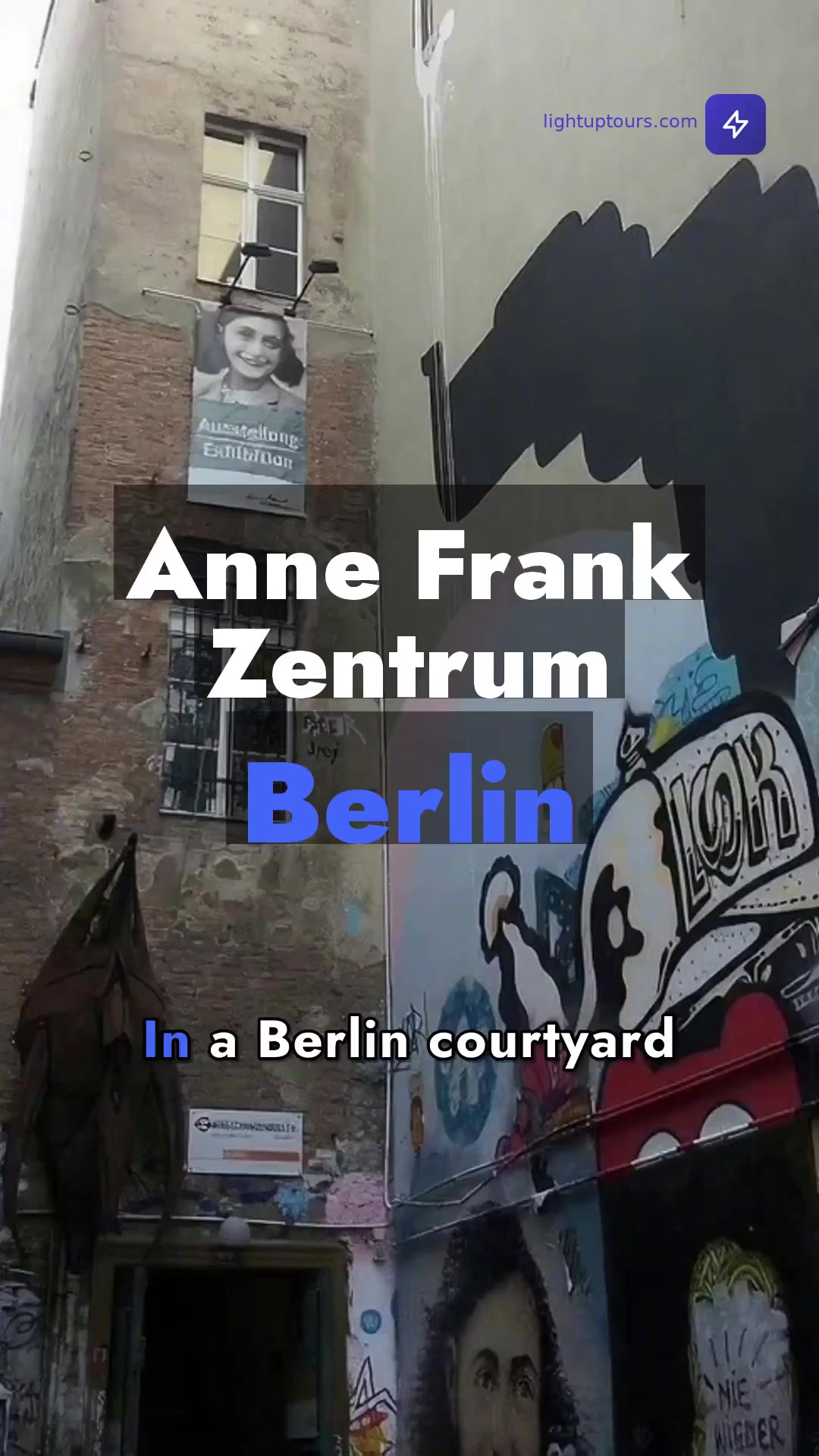
In a courtyard on Rosenthaler Straße, Otto Weidt ran a brush workshop staffed by blind and deaf Jewish workers and spent the war forging papers, bribing officials and hiding people to keep them alive. The museum is small and free. The Anne Frank Centre is in the same courtyard.
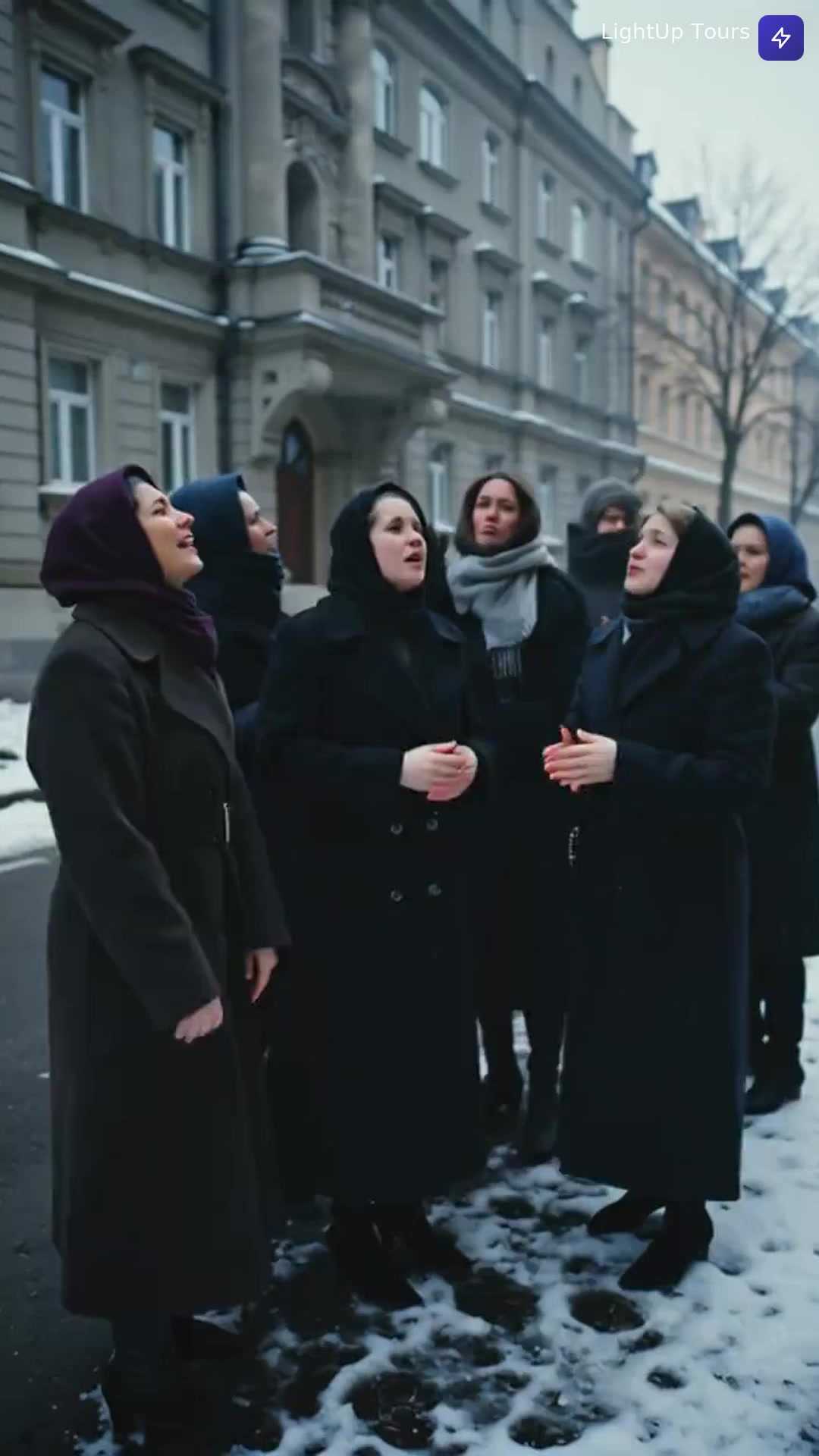
Two streets away, the golden dome of the New Synagogue on Oranienburger Straße — saved from the fires of Kristallnacht by a police officer who stood in front of it, then destroyed by Allied bombing in 1943. And on Rosenstraße, the Block of Women recalls the 1943 protest by non-Jewish wives who stood in the street for days demanding their husbands back, and got them.
Audio guides on this stretch

Walk this route
Berlin's Jewish Quarter: Memorials and Hiding Places
5 stops · 26 min · Berlin
Five stops in the Scheunenviertel: a deportation collection point, the workshop where a blind man hid his Jewish workers, the golden dome that survived Kristallnacht, and the street where six hundred women faced down the SS.
🇬🇧 🇪🇸 🇩🇪 🇫🇷 🇮🇹 🇵🇹 🇨🇳
Scan it with your phone to open this tour in the app
Open the tourStolpersteine: the memorial under your feet
Small brass squares set into the pavement, each one carrying a name, a date of birth and what happened to that person. They are laid in front of the last home the person chose freely, and they are the work of one artist, Gunter Demnig, who began in the 1990s and has since placed more than a hundred thousand of them across Europe — thousands in Berlin alone.
You do not visit them; you find them. They are outside ordinary front doors in Mitte, Prenzlauer Berg, Kreuzberg, Charlottenburg. To read one you have to bow your head, which is precisely what Demnig intended.
Once you have noticed the first, you cannot stop seeing them for the rest of the trip. For many visitors that is the memorial that actually lands.
A three-hour walking route
Start at the Brandenburg Gate. The Memorial to the Murdered Jews of Europe is two minutes south; the homosexuals' memorial is across the road in the park; the Sinti and Roma memorial is five minutes north, towards the Reichstag. That is three memorials in half an hour, all free and all outdoors.
Walk east along Unter den Linden to Bebelplatz (fifteen minutes), then south to the Topography of Terror (twenty minutes, or two stops on the U-Bahn). Give it an hour.
Finish in the Scheunenviertel: Große Hamburger Straße, Otto Weidt's workshop, the New Synagogue and Rosenstraße are all within ten minutes of each other. Total: about five kilometres and three hours, or a whole day if you go into the museums. If you want a fourth stop with a different kind of memory, the Soviet War Memorial in the Tiergarten was built by the victors in 1945, before the rubble had even been cleared.
Audio guides on this stretch
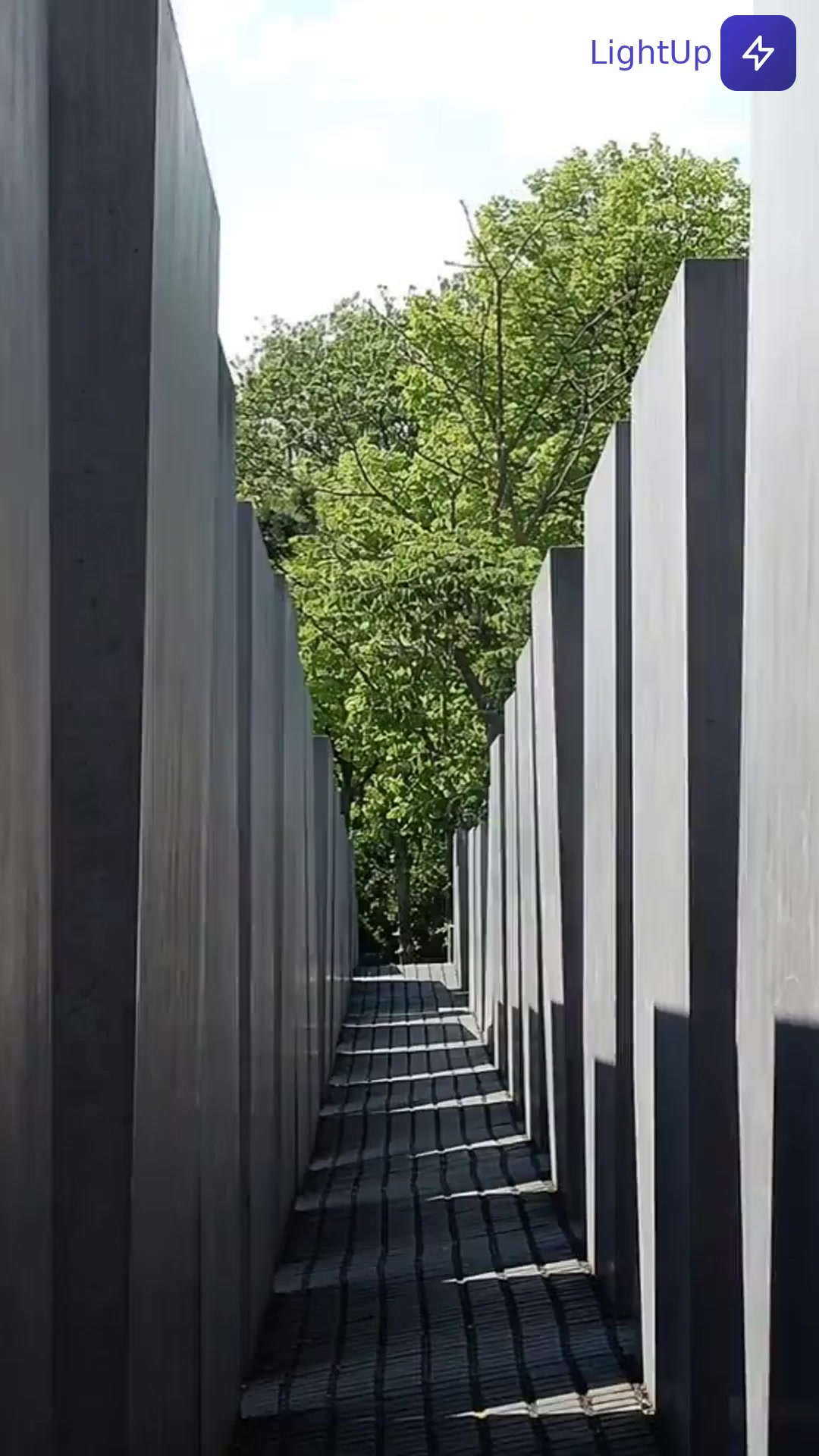
Holocaust Memorial
BerlinListen to the story→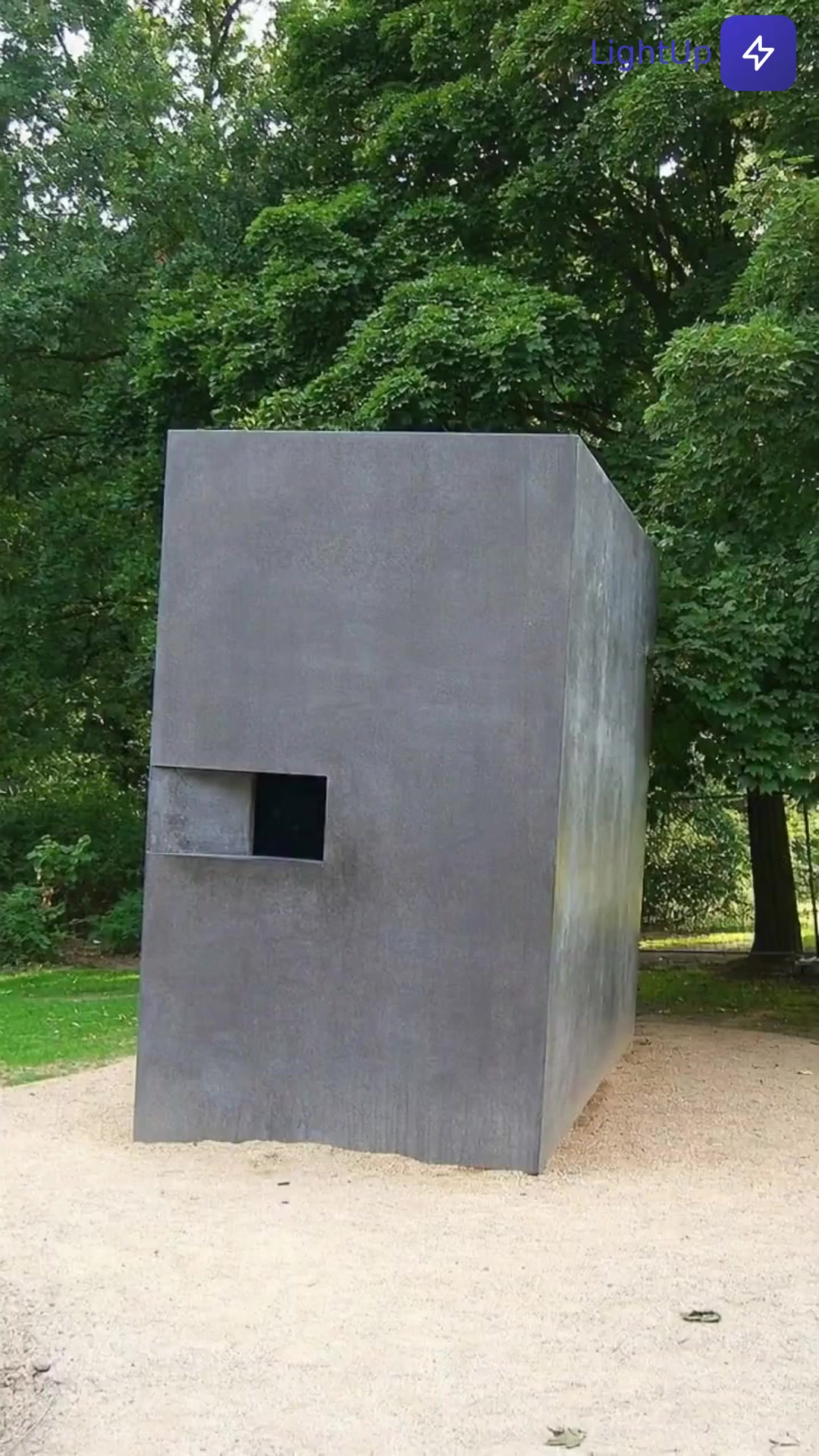
Monument in memory of homosexuals persecuted by Nazism
BerlinListen to the story→.webp)
Memorial to the Sinti and Roma
BerlinListen to the story→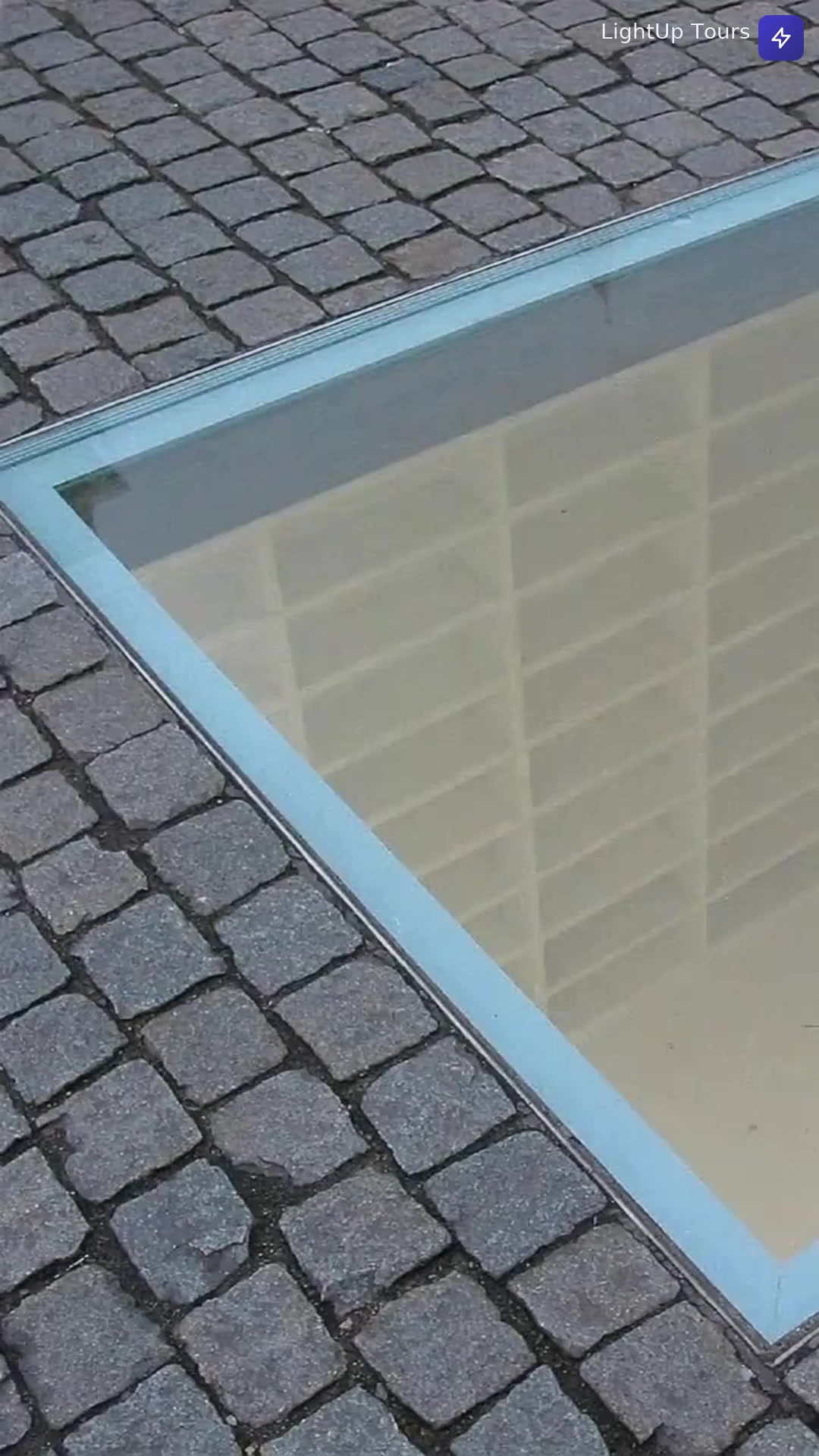
Bebelplatz
BerlinListen to the story→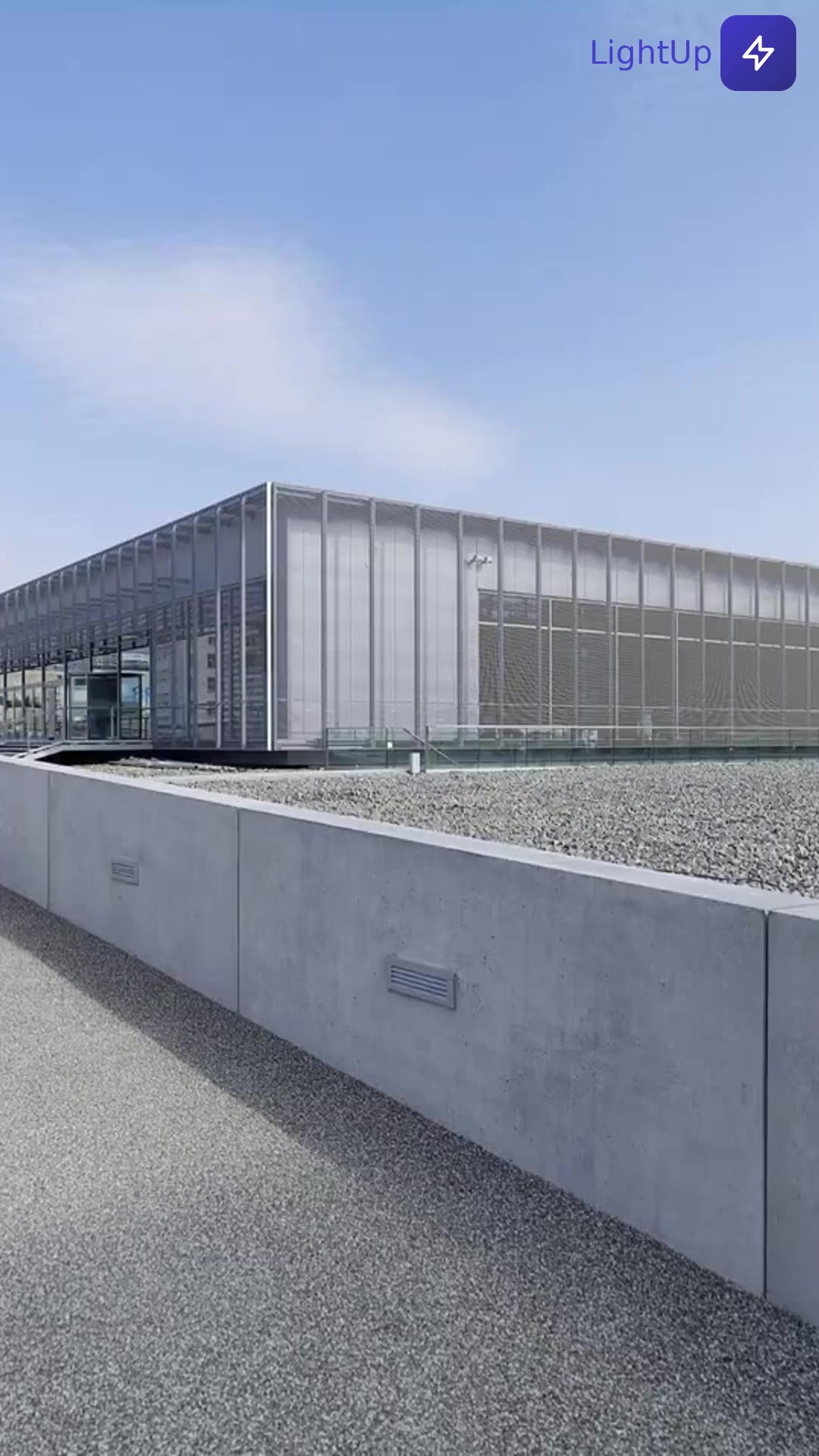
Topography of Terror + Berlin Wall
BerlinListen to the story→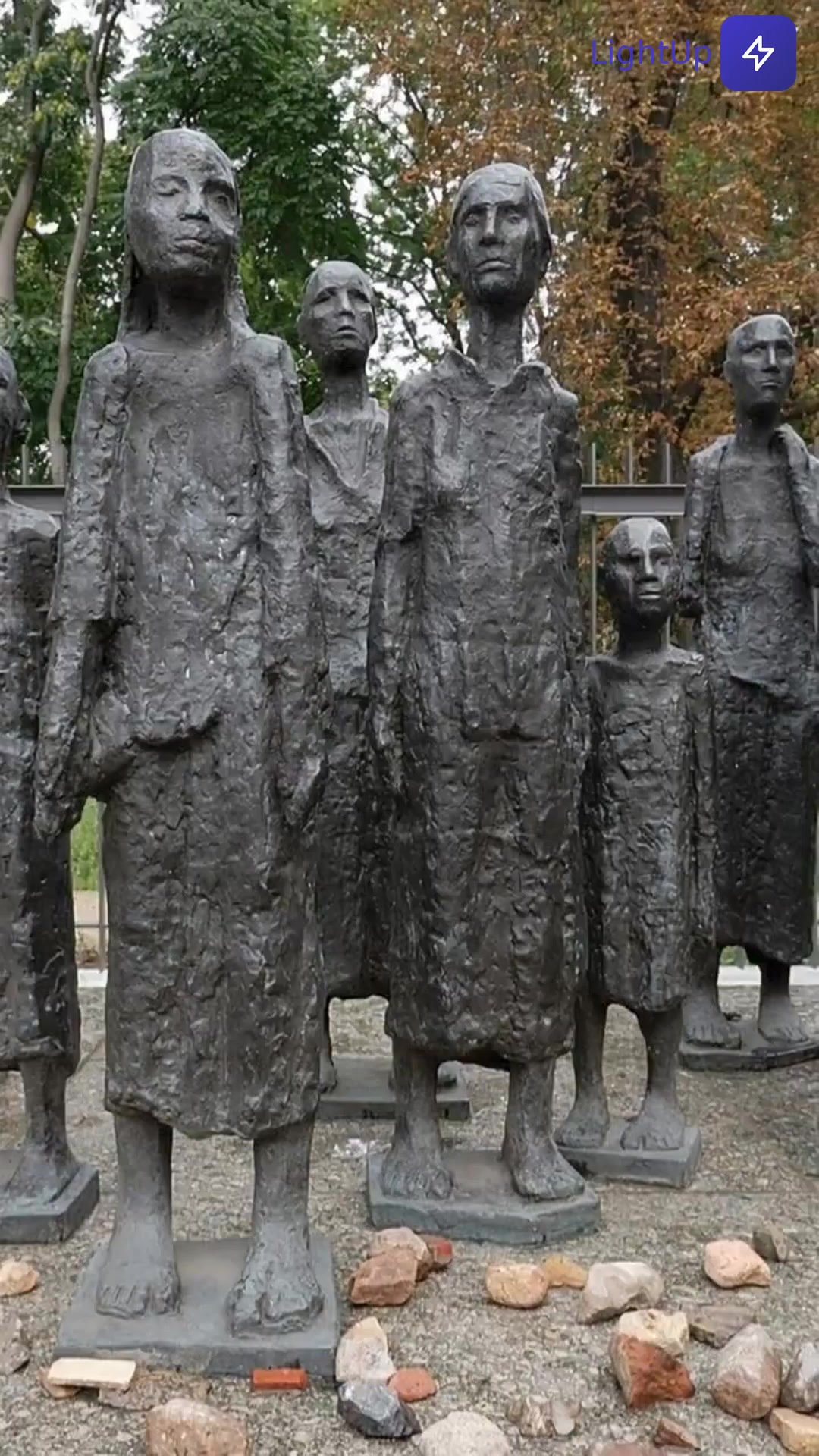
Memorial Große Hamburger Straße
BerlinListen to the story→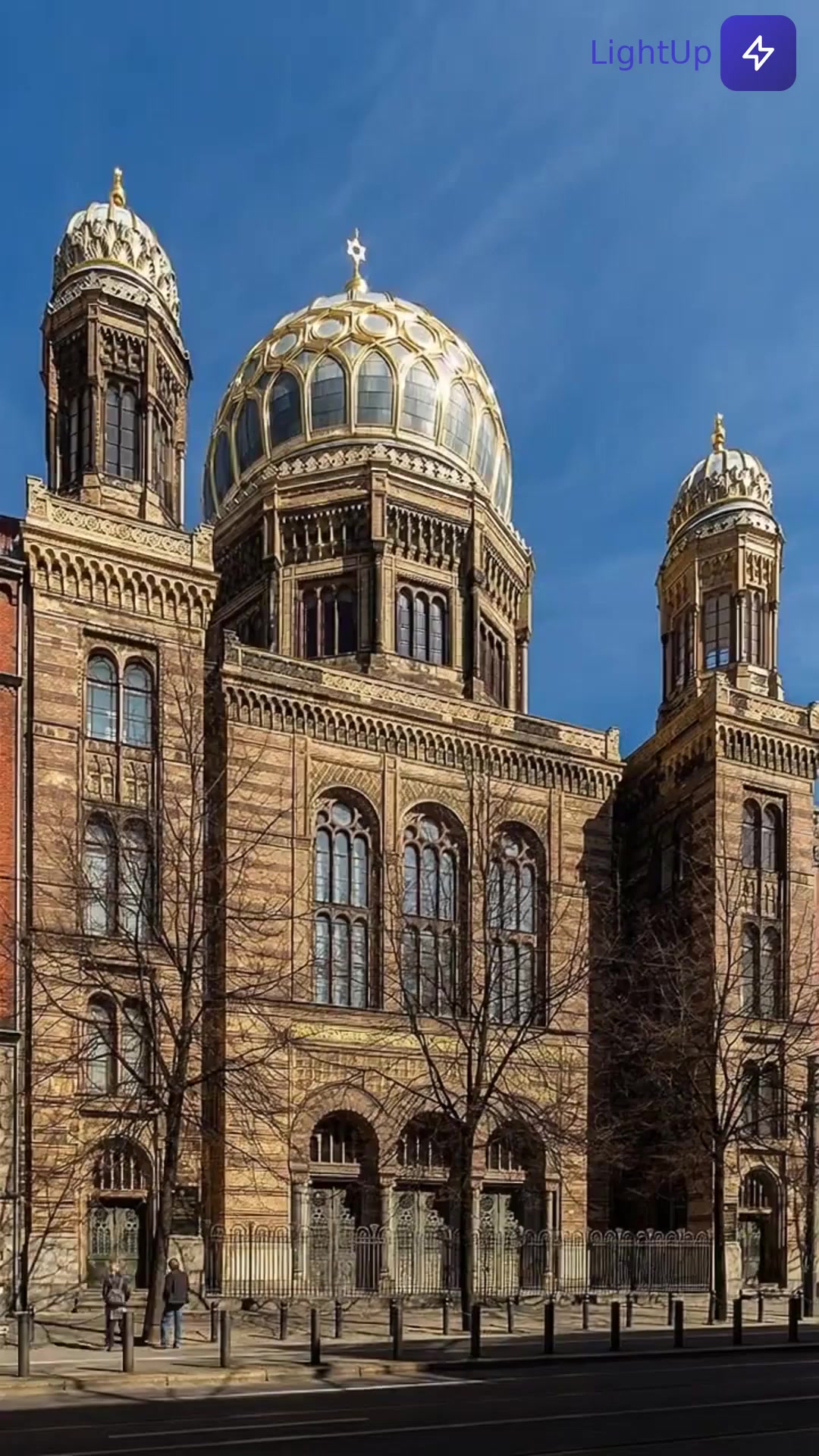
New Synagogue
BerlinListen to the story→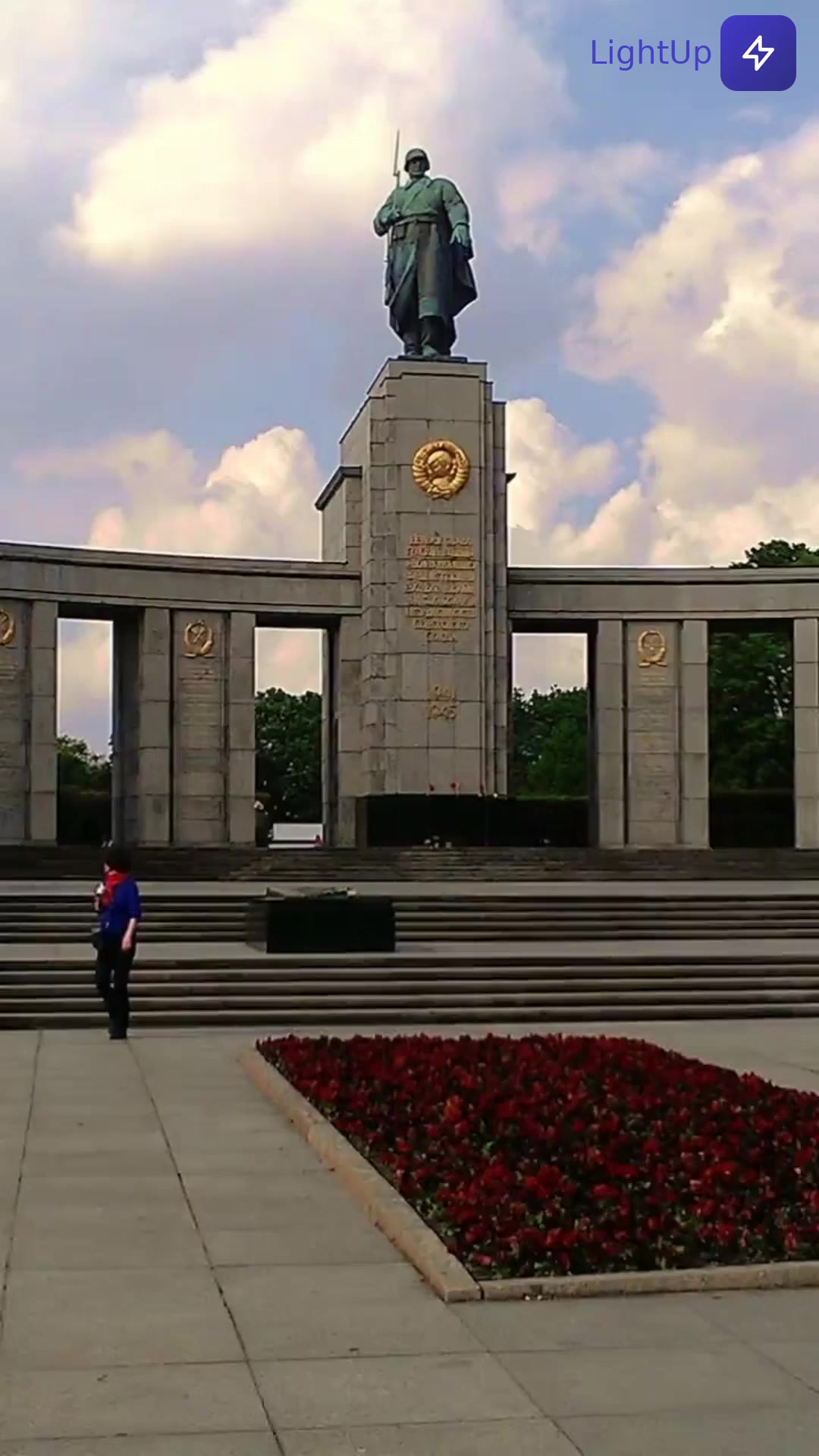
Soviet War Memorial in Tiergarten
BerlinListen to the story→
Walk this route
Holocaust Memorials in Berlin: A Three-Hour Walk
8 stops · 2h 2 · Berlin
From the field of 2,711 stelae to the empty library under Bebelplatz and the courtyards of the old Jewish quarter: the places where Berlin decided to remember, and how it chose to do it.
🇬🇧 🇪🇸 🇩🇪 🇫🇷 🇮🇹 🇵🇹 🇨🇳
Scan it with your phone to open this tour in the app
Open the tourHow to visit
Almost everything here is free and open air. The exceptions are small museums with modest tickets, and the Information Centre under the field of stelae, which is free but closed on Mondays.
These are places where people died and where their descendants still come. The field of stelae is not a playground and not a photo studio; the memorial's own foundation has asked visitors repeatedly not to climb or jump on the blocks. Behaving as you would in a cemetery covers every rule you need.
Go with something in your ear, not a plaque to squint at. Every site on this route has a free audio guide in seven languages, so you get the story standing on the ground where it happened — which is the only reason to come in person rather than read about it at home.
Audio guides in Berlin
Hear Berlin narrated in 7 languages
More from the blog


Take LightUp with you
Self-guided audio tours in 7 languages, offline-ready. Download the app and start exploring.