
Gendarmenmarkt
Scan it with your phone
Point your camera at the QR code
Gendarmenmarkt: Berlin's Huguenot Square – Audio guide

I’ll tell you the secrets of Gendarmenmarkt. I guide you here with the map, or you can listen from home. What you see is not what you think, and knowing it is worth it. Some narrations are AI voices and others are real people.
Free8 min AI voiceHistory
Audio in:EnglishSpanishGermanFrenchItalianPortugueseChinese
How it works
- Go there
the app walks you there from wherever you are. - Listen there or from home
it plays by itself when you arrive, or press play from wherever you are. In your language if it was recorded in it. - Keep discovering
the Berlin map has more gems like this one, and you can put them together in a tour.
What you'll discover
Two almost identical churches face each other in this square. But neither was built for prayer.
A whimsical king, an exiled French community, and an architectural rivalry that lasted for centuries. It all happened in these few square meters.
The Gendarmenmarkt has a history that can be read in its facades. Walk with me and I'll teach you how to decipher it.
About Gendarmenmarkt
You are standing in one of the most beautiful squares in all of Europe. What you see before you did not become like this overnight. Behind every stone are centuries of history, war, exile, and reconstruction. Welcome to the Gendarmenmarkt.
Read the whole storyShow less
Everything began in 1688 when the architect Johann Arnold Nering drew up the plans for what was then just a market on the western outskirts of Berlin, in the emerging district of Friedrichstadt. It was nothing glorious at that time. People simply called it Linden-Markt, the linden market. But something decisive was happening in Europe at that time.
In France, thousands of Protestants known as the Huguenots were brutally persecuted for their faith. King Louis XIV had revoked the Edict of Nantes, which guaranteed their religious freedom, forcing them to flee. The Great Elector Frederick William of Brandenburg opened the doors of Prussia to them, and thus around twenty thousand French refugees arrived in Berlin. Many of them were artisans, merchants, and intellectuals who would forever transform the city. They settled precisely here, in Friedrichstadt, and in this square, they built their own church.
It was a simple construction, humble even, but full of history. That church would be the embryo of what you see today: the French Cathedral. The square continued to change names over the years. It was Friedrichstädtischer Markt, then Neuer Markt. And it was not until 1799 that it received the name it bears today: Gendarmenmarkt. A name that comes from the Gens d'Armes, a Prussian cavalry regiment, curiously formed by Huguenot soldiers, which had its stables and barracks right here between 1736 and 1782. So, the name of this elegant square literally comes from the stables of some soldiers.
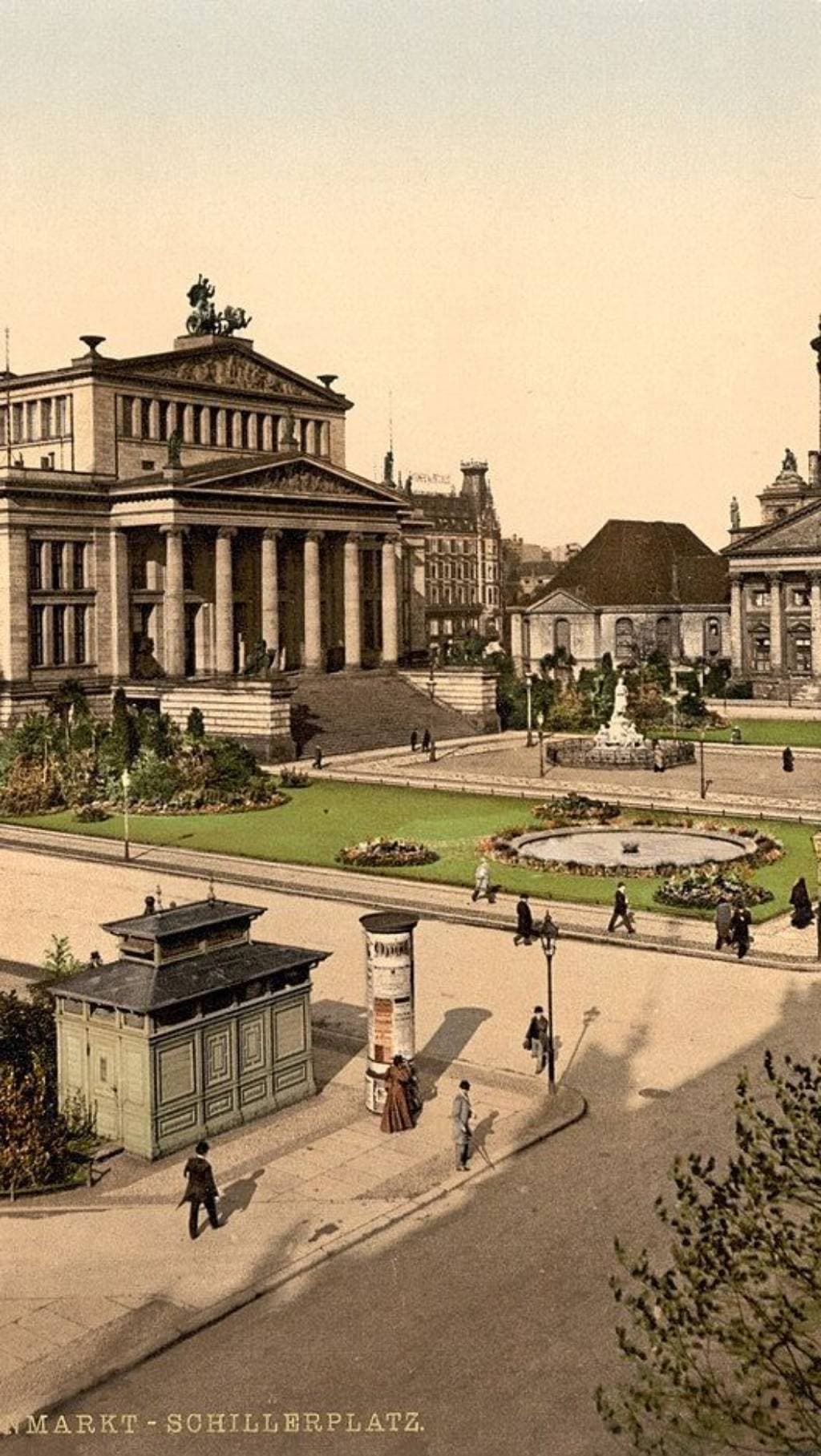
The real leap from humble market to monumental square came with Frederick II of Prussia, the famous Frederick the Great. This enlightened king wanted Berlin to rival the great European capitals, and the Gendarmenmarkt would be his calling card. He ordered the demolition of the stables and commissioned the construction of an architectural ensemble worthy of the Prussian capital. Between 1780 and 1785, the architect Carl von Gontard crowned the two churches of the square with imposing almost identical domed towers, in late Baroque style. The result was exactly what you see now: two twin cathedrals facing each other from opposite ends of the square, creating perfect symmetry.
And between them, the building that closes the ensemble in the center. In 1817, a fire destroyed the old National Theater that occupied that space. On its ruins, the great neoclassical architect Karl Friedrich Schinkel — the same who designed the Altes Museum on Museum Island — built between 1817 and 1821 the Konzerthaus. Greek columns, majestic staircases, and extraordinary acoustics. Today it is the home of the Berlin Symphony Orchestra. If you have the opportunity to attend a concert here, do not hesitate.
Right in front of the Konzerthaus, in the exact center of the square, is the statue of Friedrich Schiller, the great German poet and playwright, the same who wrote the poem that Beethoven turned into the Ode to Joy. The marble sculpture shows him standing, surrounded by four allegorical figures representing Poetry, History, Philosophy, and Theater. A curiosity: the Nazis removed this monument in 1935. It only returned to its original place on the occasion of Berlin's 750th anniversary.
The Gendarmenmarkt you see before you is not exactly the same that Frederick the Great knew. World War II left it in ruins. The bombings severely damaged the three main buildings, and the square was devastated. During the era of the German Democratic Republic, it received the gray name of Platz der Akademie, Academy Square, and was gradually rebuilt during the 1970s and 1980s. The Konzerthaus was restored between 1979 and 1984. The German Cathedral was not completely finished until 1993. When the Berlin Wall fell, one of the first symbolic decisions was to return the square to its historical name. Gendarmenmarkt returned to the maps in 1991. Like so many things in Berlin, this square is a living story of destruction and rebirth.
Now that you know its history, it is worth stopping at each of its three buildings. The French Cathedral, which you have to the north, is perhaps the most visited. Inside it houses the Huguenot Museum, which tells the story of those twenty thousand refugees who gave so much to Berlin. If you climb to the panoramic platform of the tower, forty meters high, you will have one of the most spectacular views of the historic center. And if you are here between ten in the morning and six in the afternoon, listen to the carillon of sixty bells that rings every hour on the hour.
The German Cathedral, to the south, is its almost perfect mirror. It was destroyed by fire in 1945 and rebuilt decades later. Since 1996 it has housed a free museum on the history of democracy in Germany, distributed over five floors ranging from absolutism to the present. It is well worth entering. And the Konzerthaus, in the center, besides its high-level concerts, deserves to be contemplated calmly from the outside. Surround its staircase, observe its columns. It is pure neoclassicism.
Around all this, the square is today surrounded by elegant cafes, restaurants, shops, and luxury hotels. In summer, the Classic Open Air is celebrated, open-air concerts with the buildings illuminated as a backdrop. And in December, the Gendarmenmarkt becomes one of the most famous Christmas markets in Europe, with craft stalls, mulled wine, and an atmosphere that seems from another time.
If you had to choose a single place in Berlin that summed up the essence of this city, its capacity to be reborn, its mix of cultures, its love for art and history, that place would be this. Here coexist religious persecution and Prussian tolerance, Baroque grandeur and neoclassical rigor, the wounds of war and the elegance of reconstruction. Berliners consider it, with all reason, the most beautiful square in their city. And now that you know it inside out, it is easy to understand why.
Visiting Gendarmenmarkt
- How to get there
- The closest metro/train stop is Hausvogteiplatz, 197 meters away. The closest bus stop is Französische Straße, 230 meters away.
- Entry and price
- Entry is free.
- Opening hours
- The Gendarmenmarkt is always open.
Frequently asked questions
What is the history behind the Gendarmenmarkt?
The Gendarmenmarkt was created by Johann Arnold Nering at the end of the seventeenth century and was reconstructed by Georg Christian Unger in 1773. It is named after a Prussian cuirassier regiment called the Gendarmen, which had stables at the square until 1773.
What can I see at the Gendarmenmarkt?
You can see an architectural ensemble that includes the Berlin concert hall, the French Church, and the German Church. In the center of the square stands a monumental statue of poet Friedrich Schiller.
What happened to the Gendarmenmarkt during World War II?
The Gendarmenmarkt was heavily damaged during World War II. The three main buildings were gravely affected, and the square was left in ruins. It was reconstructed during the 1970s and 1980s.
Is there anything special about the French Church?
The French Church, or Französischer Dom, houses the Huguenot Museum, which tells the story of the French refugees who settled in Berlin. It also features a panoramic platform offering spectacular views of the city.
What is the significance of the Konzerthaus Berlin?
The Konzerthaus Berlin, built between 1817 and 1821 by Karl Friedrich Schinkel, is known for its neoclassical architecture and serves as the home of the Berlin Symphony Orchestra. It was restored between 1979 and 1984.
More audio guides in Berlin
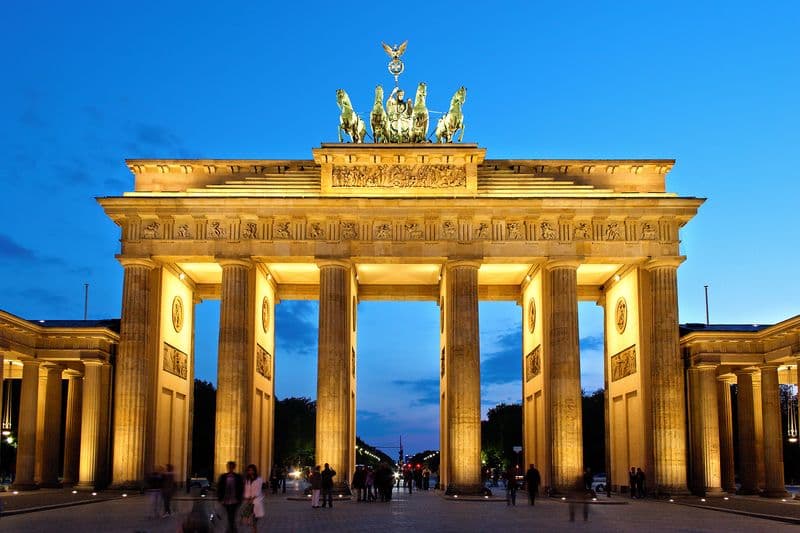 Gem · Audio guideBerlin: Brandenburg Gate© Thomas Wolf
 LightUp ToursEnglish · 6 min audioFree
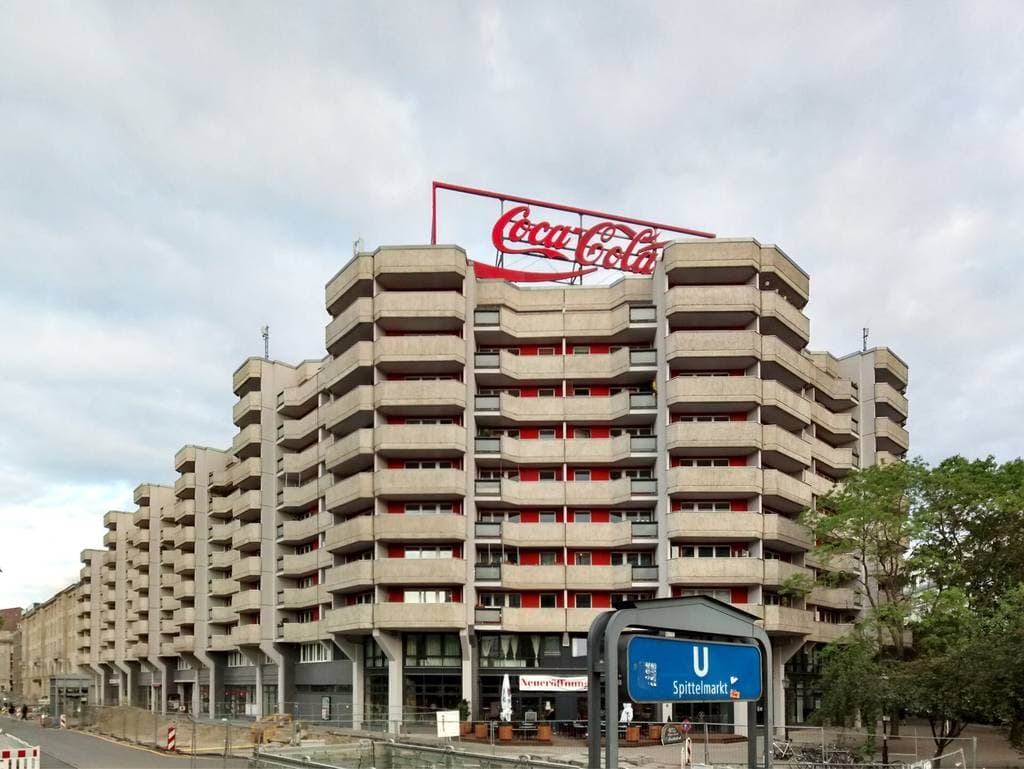 Gem · Audio guideBerlin: Spitteleck© Gunnar KlackLightUp ToursEnglish · 4 min audioFree
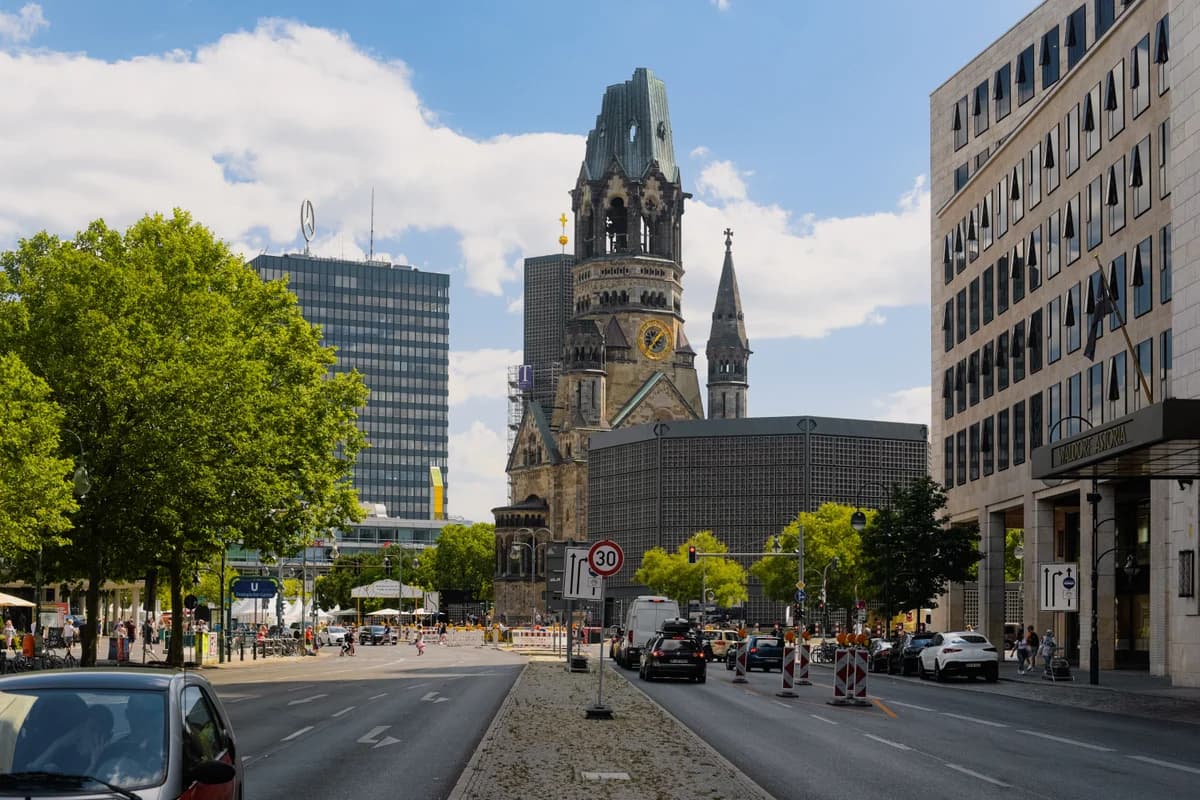 Gem · Audio guideBerlin: Kaiser Wilhelm Memorial Church© Taxiarchos228LightUp ToursEnglish · 4 min audioFree
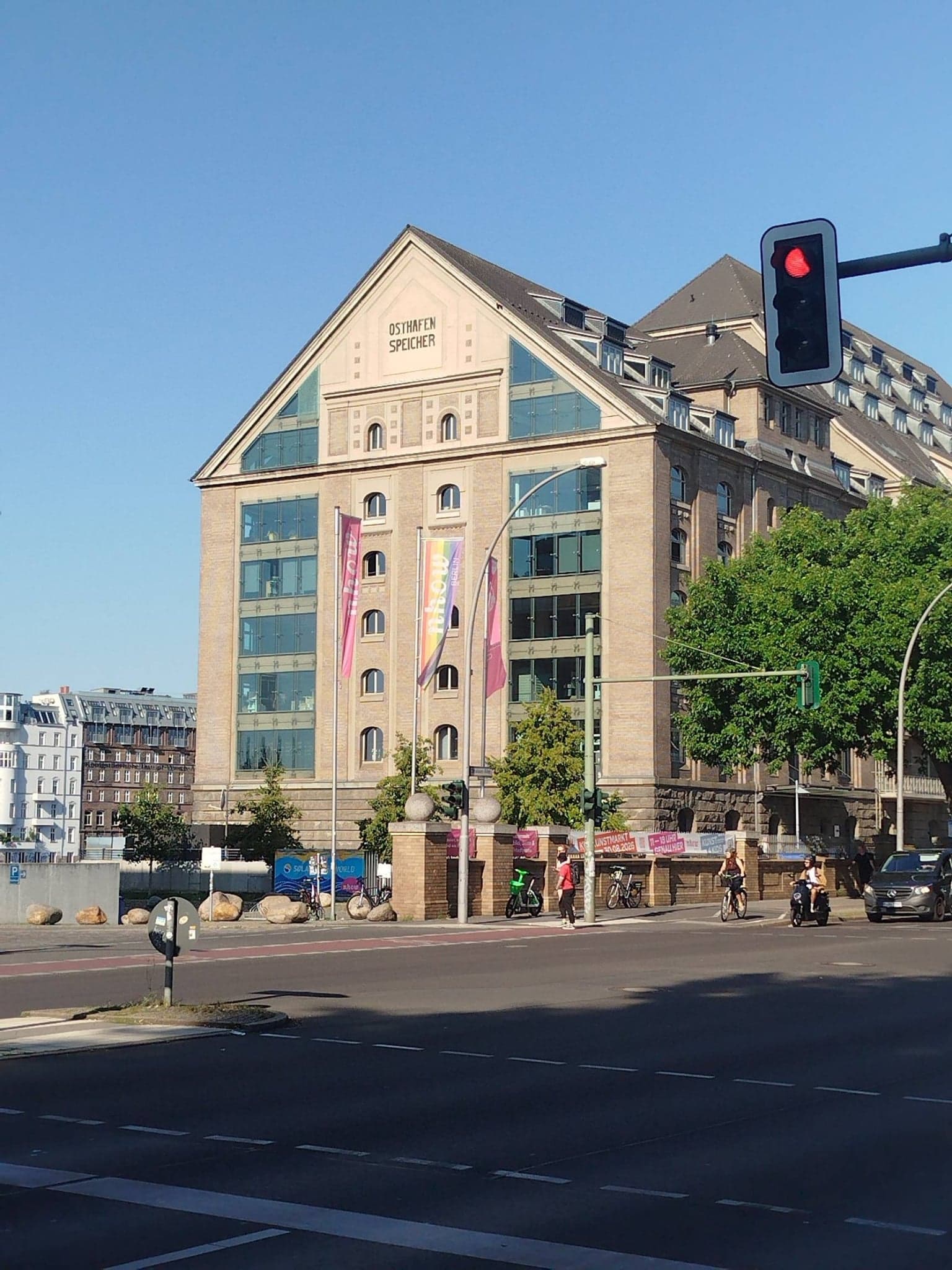 Gem · Audio guideBerlin: Osthafenspeicher (Spreespeicher)LightUp ToursEnglish · 4 min audioFree

Reviews
No reviews yet. Be the first.