+2

Guided tour

Bogotá: La Candelaria on Foot with Local Flavors
With Local Tours Colombia
English · 3 hours
50 €/ person

 By the LightUp Tours team
Bogotá is not a city you get to know in a hurry. It sits at 2,600 metres, it is huge, and the best of it is almost never in plain sight: you have to walk it, ideally with someone who tells you what happened on every corner. This guide brings together what is really worth doing in one, two or three days, with two ways of doing it: with a local guide who takes you, or with an audio guide on your phone so you go at your own pace.
The best verified guides to show you La Candelaria and the Chorro de Quevedo
+2English · 3 hours

 +2


English · 4 hours
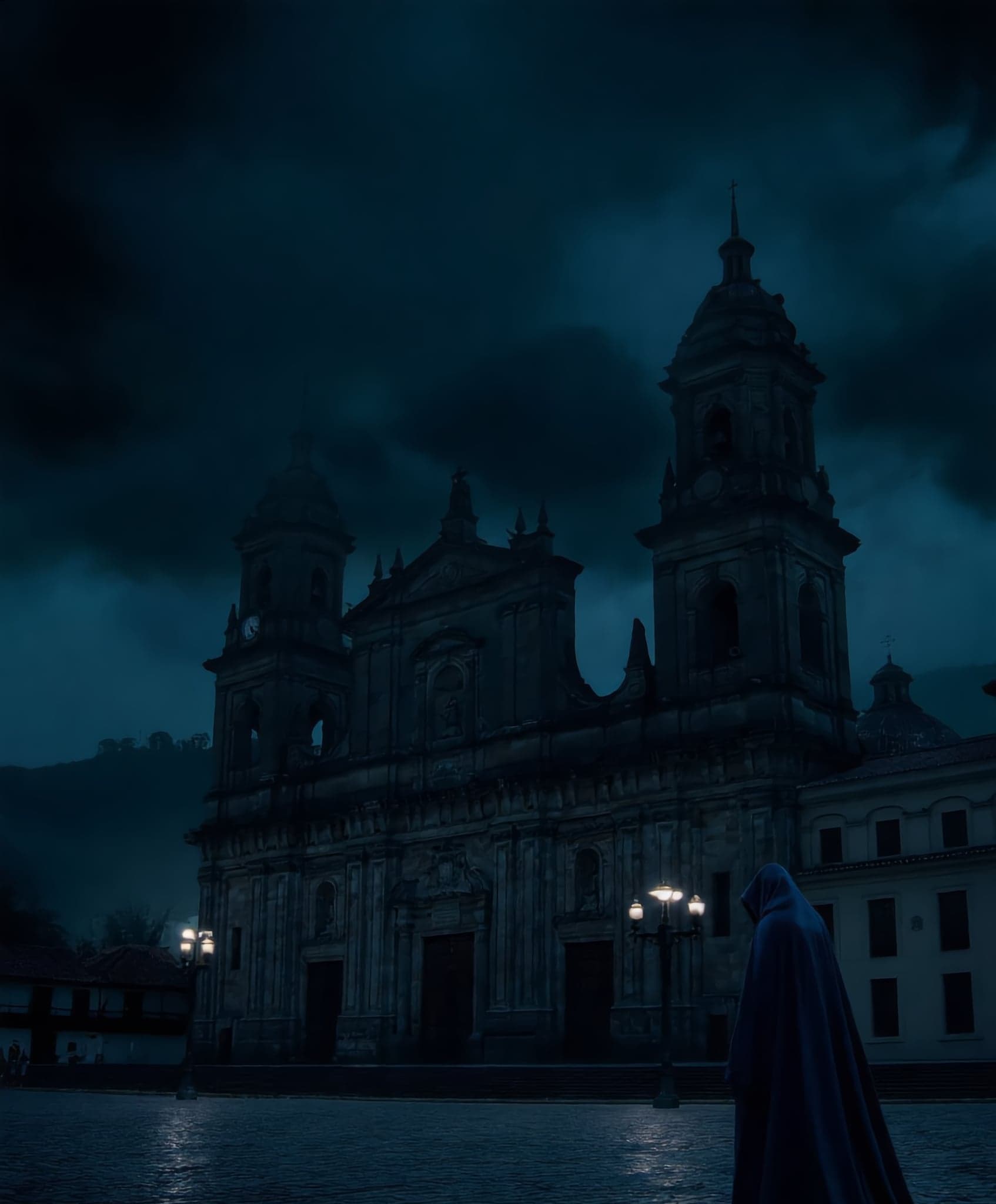
If you only have one day, make it this one. Start where it all starts: the Plaza de Bolívar. In a single turn you see the Primatial Cathedral, the Capitol, the Palace of Justice and the Liévano Palace, and a few steps away is the Casa de Nariño, where the president lives. This is the square where Colombia has celebrated, protested and mourned for five centuries.
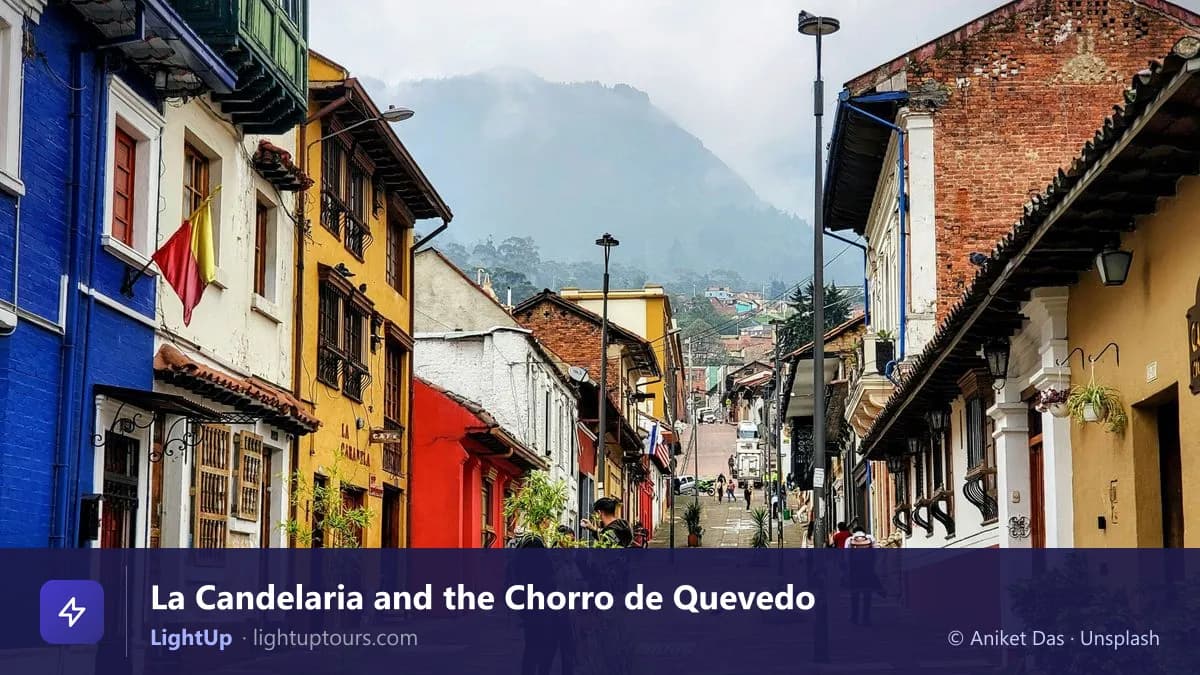
Half a block away is La Puerta Falsa, which has been open since 1816 and serves tamales with hot chocolate. It is the best breakfast for what comes next, because from here La Candelaria is all uphill: cobbled streets, brightly painted houses and the Botero Museum, which is free and holds one of the best art collections in the country.
Keep climbing to the Callejón del Embudo, full of murals and chicha bars, and you come out at the Chorro de Quevedo, the little square where, according to tradition, Bogotá was founded in 1538. Today it is the most bohemian corner of the city: storytellers, musicians and students sitting on the steps. Stay a while.
Audio guides on this stretch
 Gem · Audio guideAudio guide© Pedro Szekely from Los Angeles
 Bogota: Bolívar SquareBogotoursEnglish · 7 min audio€0.99
 Gem · Audio guideAudio guide
 Bogota: Plaza de Bolívar: el fantasma de RussiEl Cuentero de Bogota5 min audio
 Gem · Audio guideAudio guide© I.D. R.J.Bogota: Casa de Nariño (Presidency of the Republic)BogotoursEnglish · 6 min audio€0.99
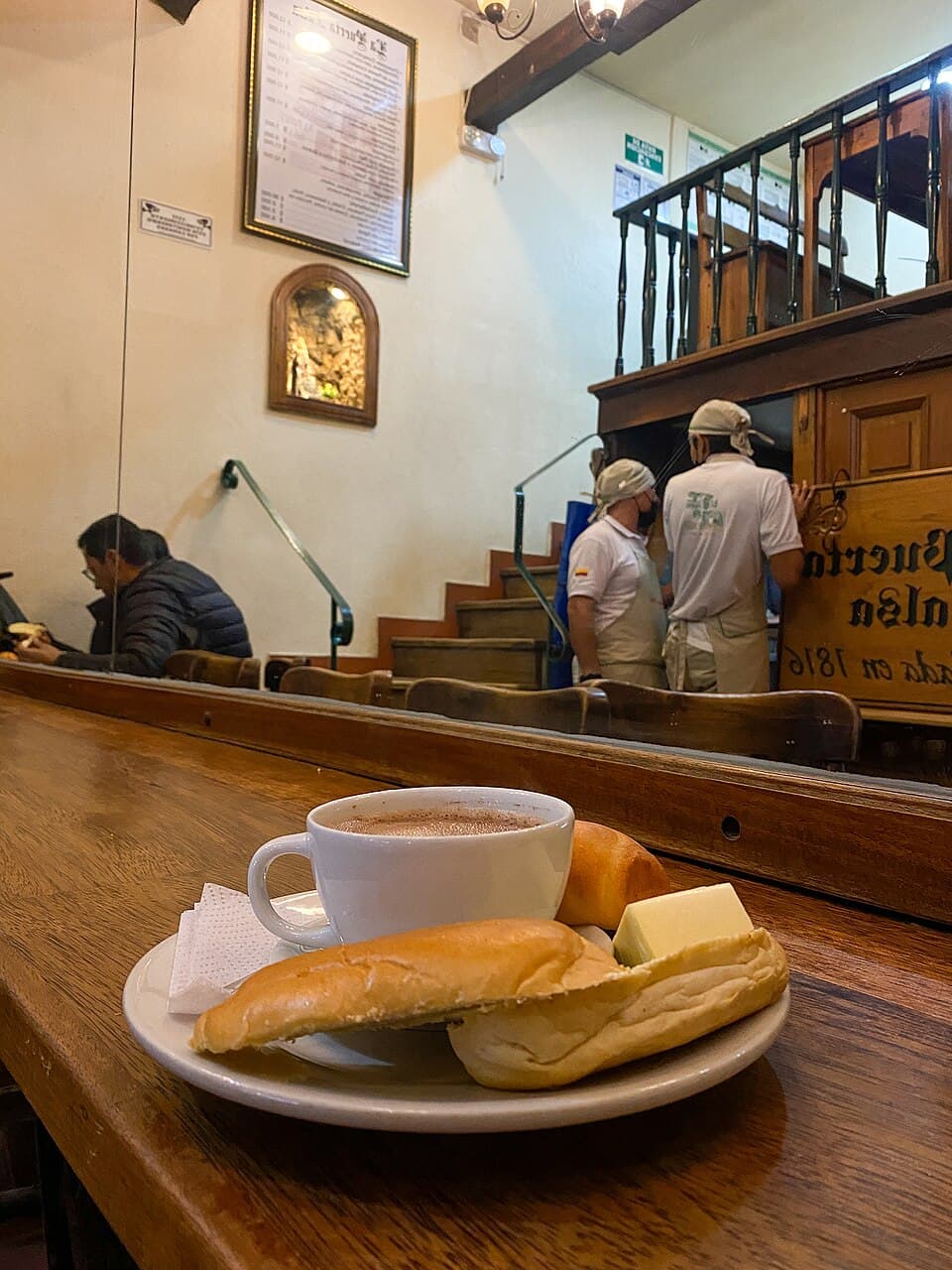 Gem · Audio guideAudio guide© © ProtoplasmaKid / Wikimedia CommonsBogota: La Puerta FalsaBogotoursEnglish · 5 min audio€0.99
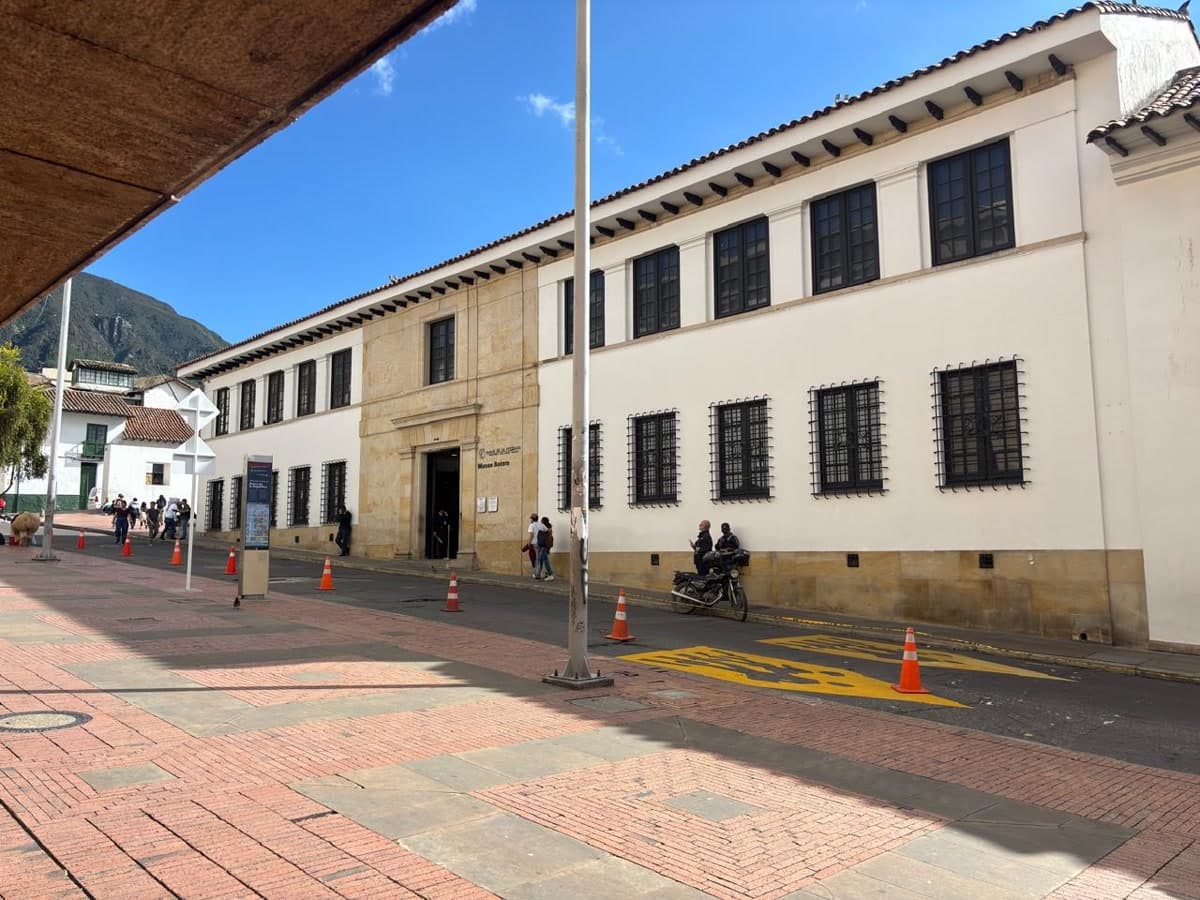 Gem · Audio guideAudio guide© Mauricio HerreraBogota: Botero MuseumBogotoursEnglish · 4 min audio€0.99
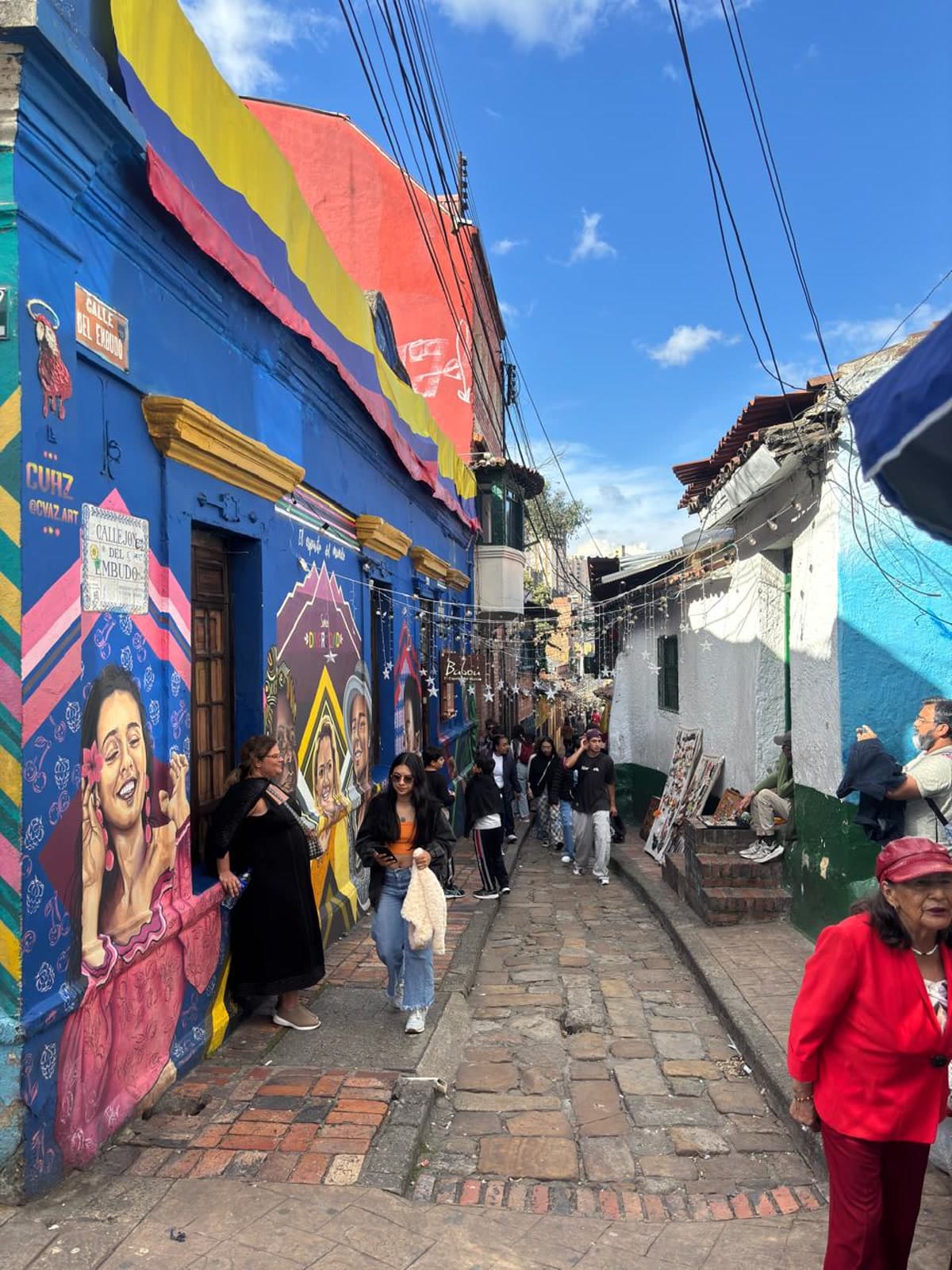 Gem · Audio guideAudio guide© Mauricio HerreraBogota: Funnel AlleyBogotoursEnglish · 6 min audio
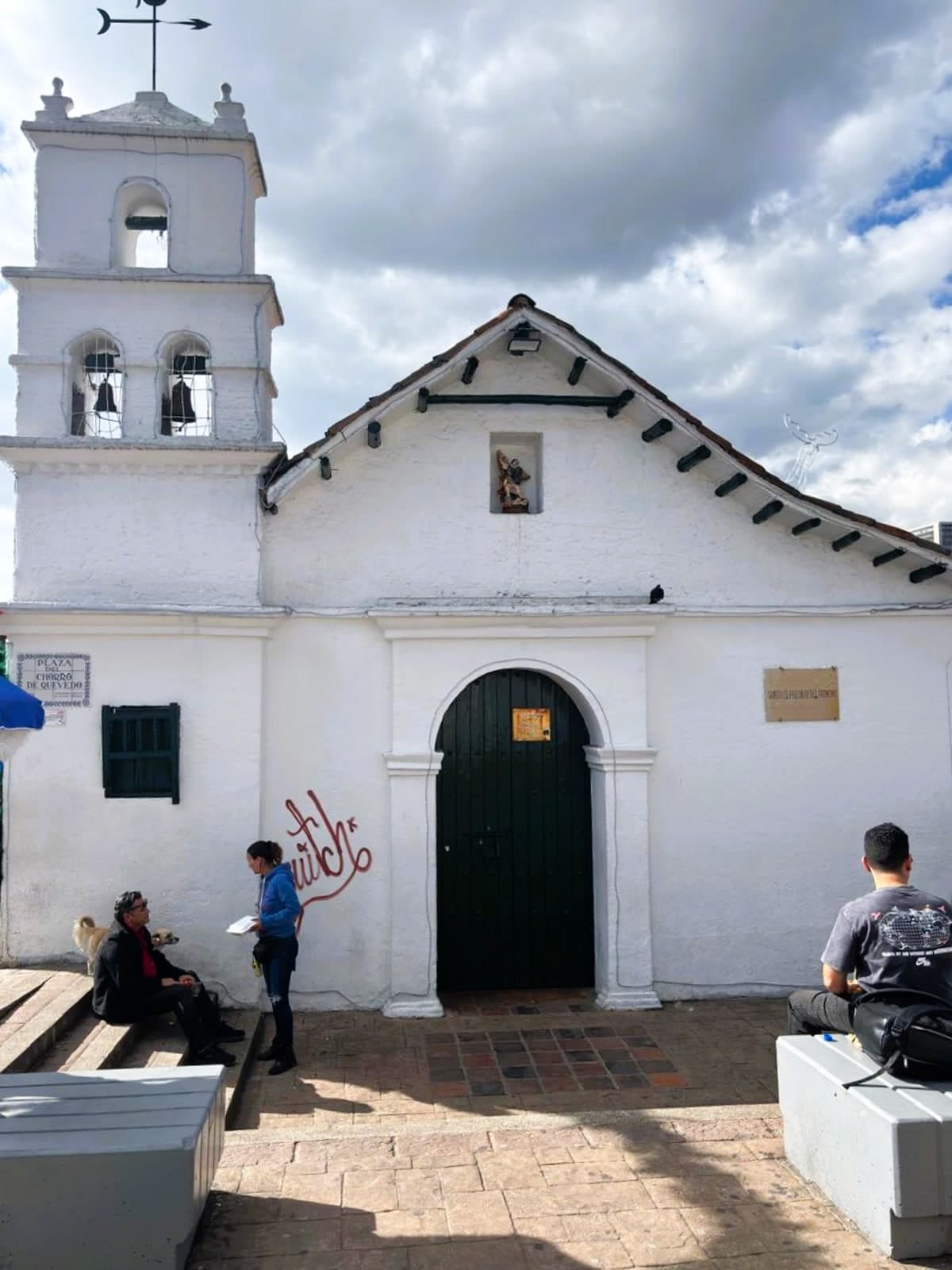 Gem · Audio guideAudio guide© Mauricio HerreraBogota: San Miguel Hermitage and Chorro de Quevedo SquareBogotoursEnglish · 7 min audio€0.99
The best verified guides to show you Monserrate and its sunsets

 +4

English · 6 hours

 +1


6 hours · Hotel pick-up
Audio guides on this stretch
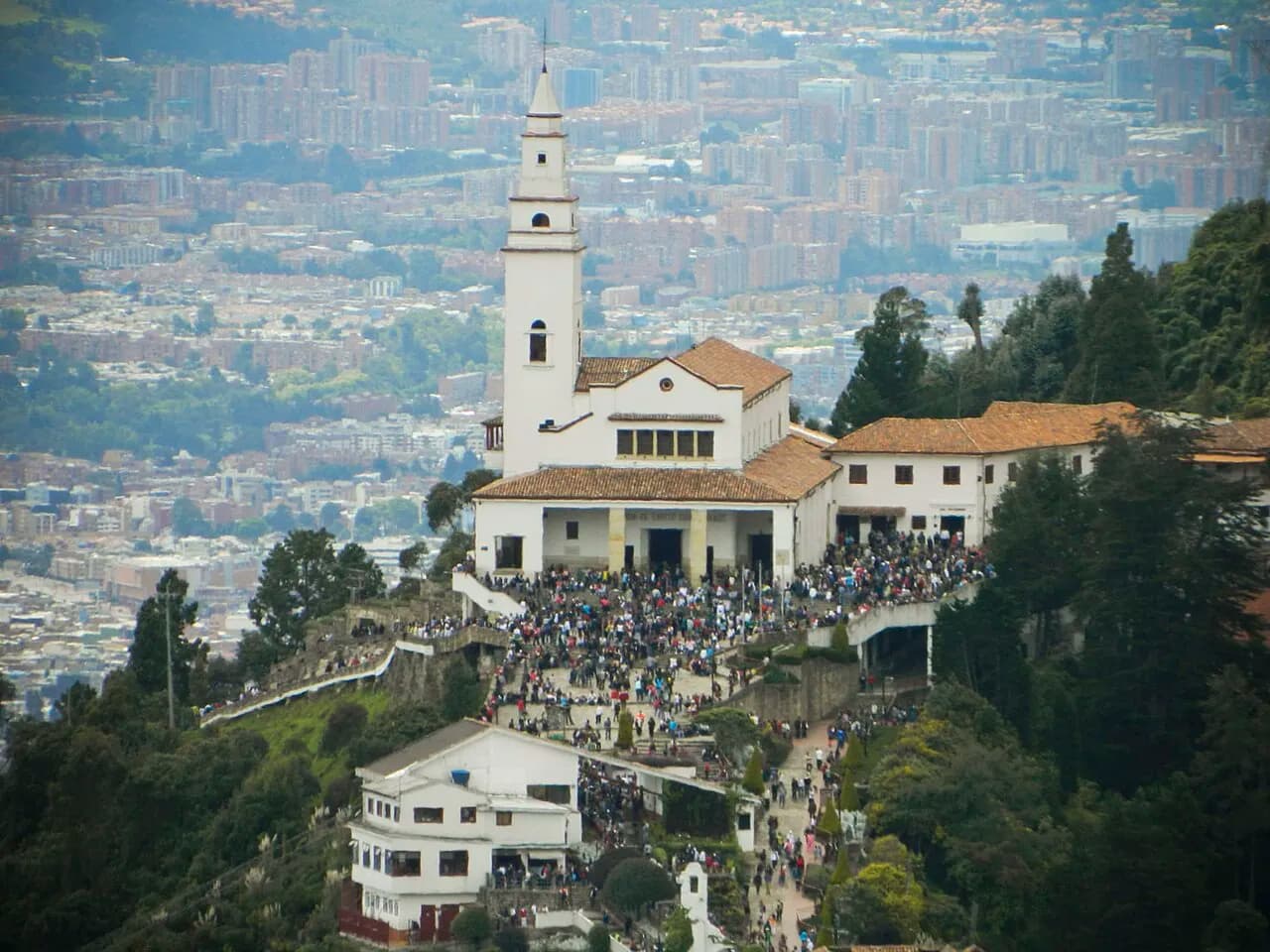
Monserrate is the hill that watches over Bogotá from the east: you see it from almost any street in the city, with its white church on top. That church is the sanctuary of the Fallen Lord, where Bogotanos have climbed on pilgrimage since the 17th century. That is why it is much more than a viewpoint: it is the symbol of the city, and you don't really know Bogotá until you have seen it from above.
The hill stands at 3,152 metres and you go up by cable car, by funicular or on foot along the path, which is only open for the climb until 1 p.m. and is closed on Tuesdays. At the top you have the whole city at your feet, and you understand at a glance how big it is.
If you go up on your own, save it for the afternoon: in the mornings Monserrate fills up with people, in the afternoon you enjoy it more calmly, and if you arrive before sunset you watch the city light up. If you go with a guide, you set out early and combine it with La Candelaria in a single tour.

 +4

English · 4 hours 30 min
The second day is for stepping off the usual circuit, and it has two options that go in different directions: pick one, because both in a single day is too much. The first starts early at the Paloquemao market: fruit you have never seen, flowers by the ton and a market breakfast. It is the best lesson there is on what Colombia eats.
From there you can carry on to the Botanical Garden, or head down to the international centre: the National Museum is housed in what used to be the Panóptico prison and is the oldest museum in the country. On the way out, cross the Parque de la Independencia and walk up to La Macarena for lunch. It is a small neighbourhood of restaurants and galleries, without the noise of the centre.
Audio guides on this stretch
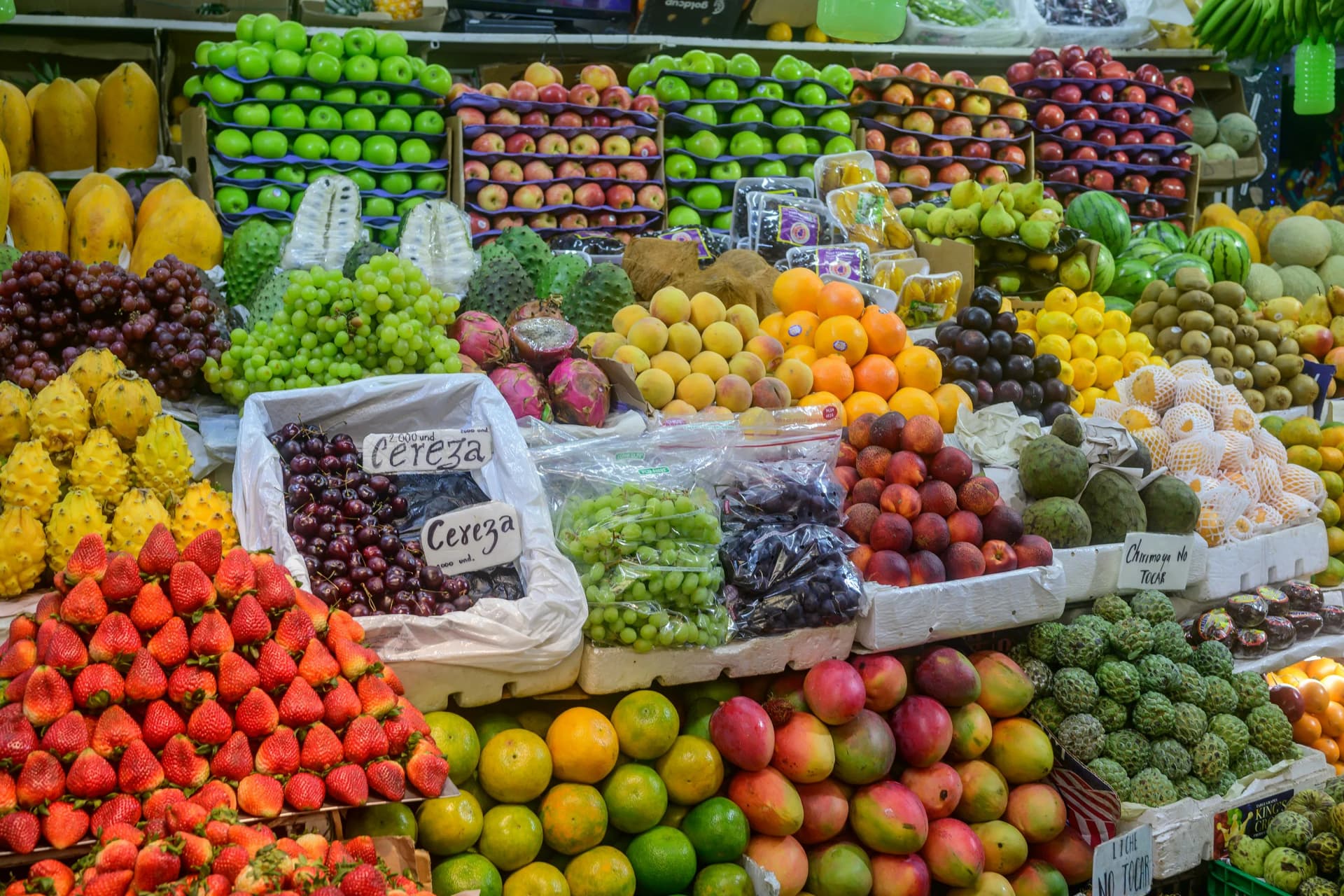 Gem · Audio guideAudio guide© Wikimedia CommonsBogota: Paloquemao MarketBogotoursEnglish · 4 min audio€0.99
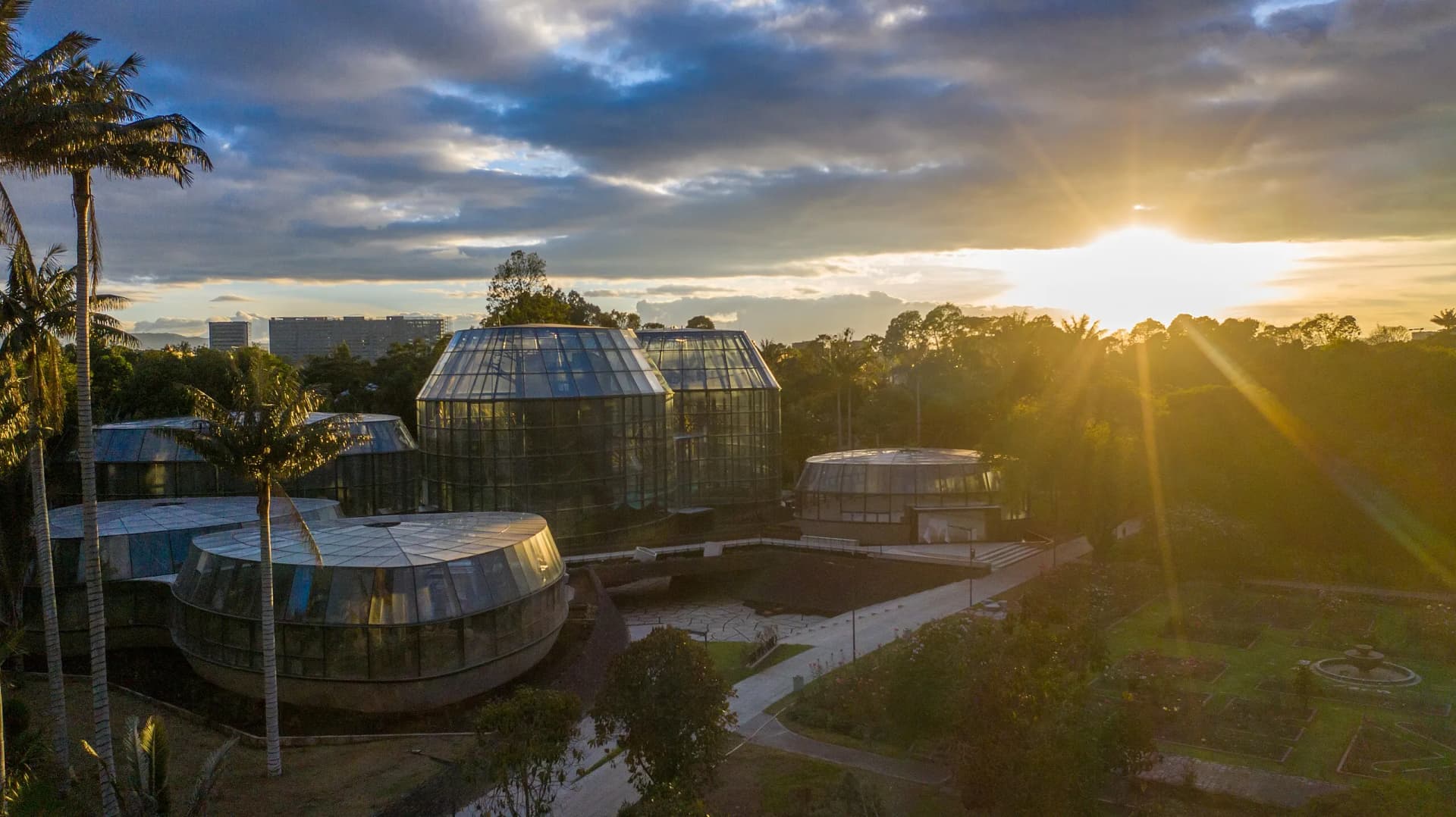 Gem · Audio guideAudio guide© Jardín Botánico José Celestino MutisBogota: José Celestino Mutis Botanical GardenBogotoursEnglish · 5 min audio
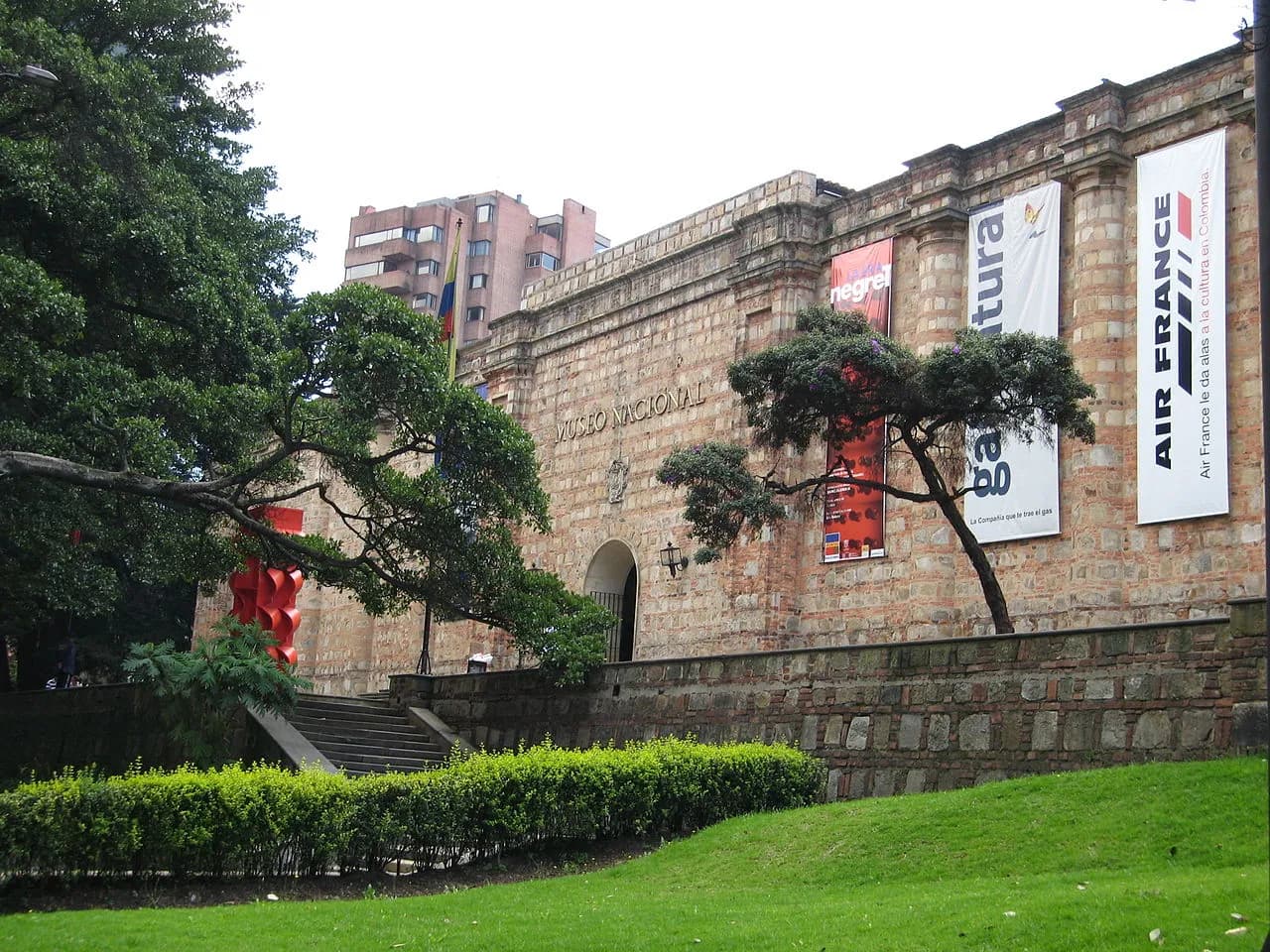 Gem · Audio guideAudio guide© © ProtoplasmaKid / Wikimedia CommonsBogota: National Museum of ColombiaBogotoursEnglish · 5 min audio
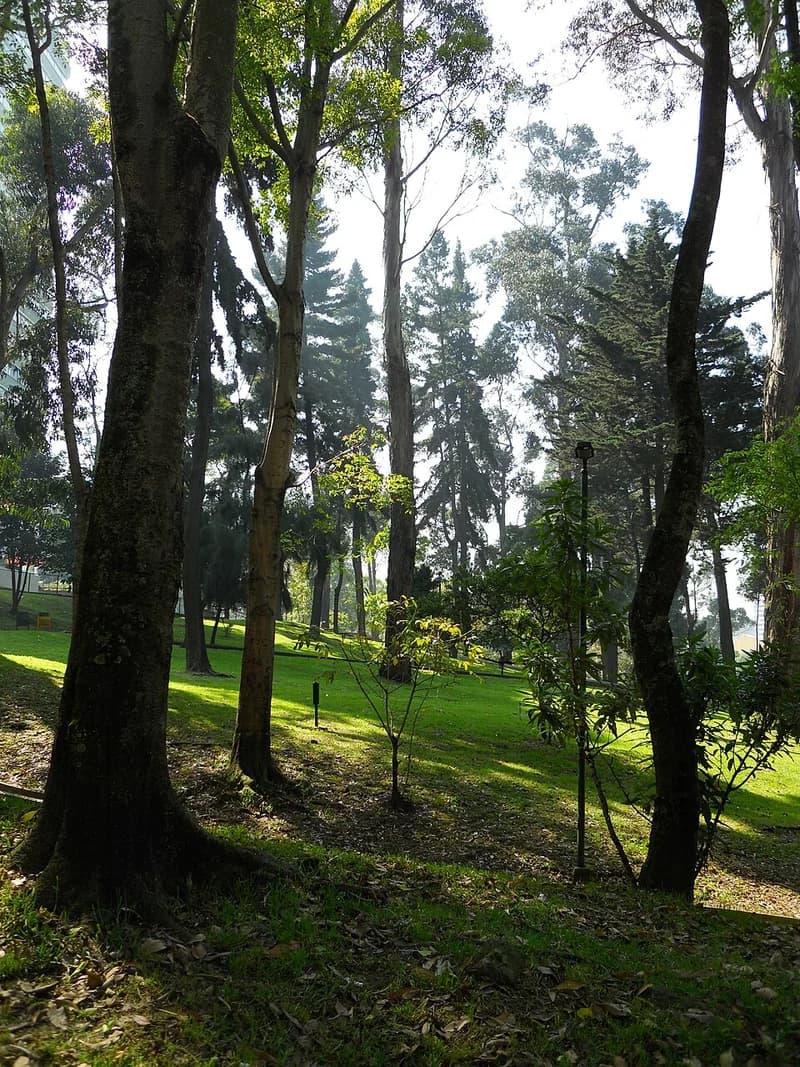 Gem · Audio guideAudio guide© Felipe Restrepo AcostaBogota: Independence ParkBogotoursEnglish · 4 min audio
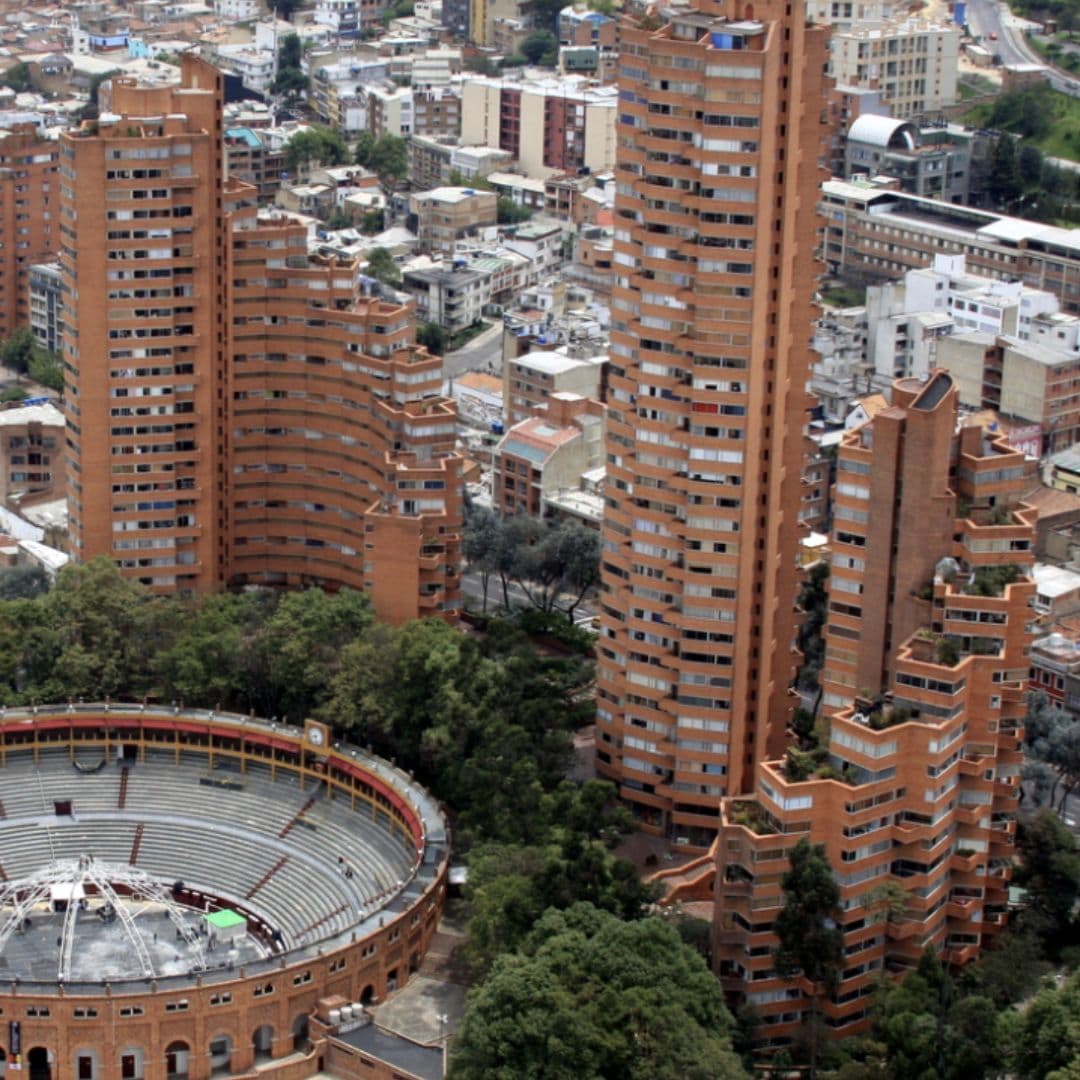 Gem · Audio guideAudio guide© Jose David Parra from BogotaBogota: La MacarenaBogotoursEnglish · 4 min audio

 +4

English · 4 hours 30 min
Do you like experiences that are different? This option is for spending the morning in the south of Bogotá, a part of the city almost no visitor gets to know: neighbourhoods full of history, and communities that are part of what makes this city worth it.
You go up on the TransMiCable, the cable car of Ciudad Bolívar: you glide over the rooftops and watch the city stretch as far as the eye can see.
At the top is the El Paraíso neighbourhood, where graffiti changed the façades and the life of the barrio. You walk it with the people who live there and with our verified guide, and you don't just look: you take a stencil workshop and bring your own piece home.
A unique experience, in the heart of Bogotá's south.
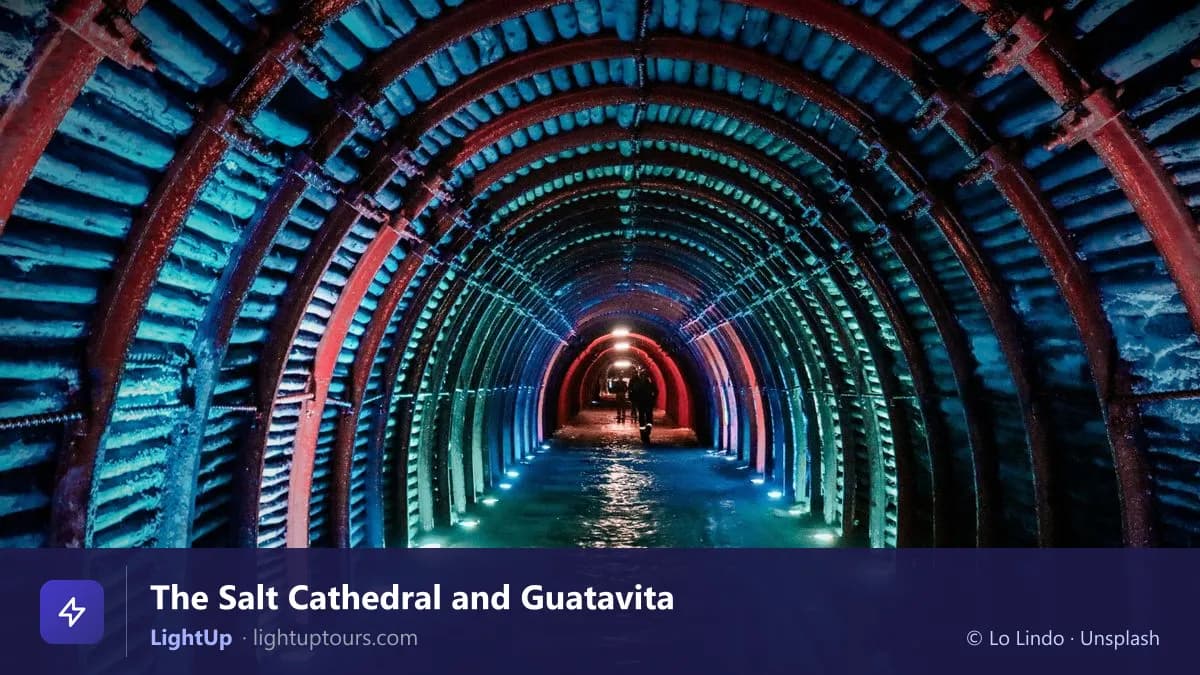
The best verified guides to take you to the Salt Cathedral and Guatavita

English · 8 hours

 +4

6 hours · Hotel pick-up

 +4

English · 14 hours

 +4

English · 8 hours
What surrounds Bogotá is as good as the city itself, and almost all of it is less than two hours away. Here it pays to go with a guide: they sort out the transport and the tickets, and you don't lose the morning working out how to get there.
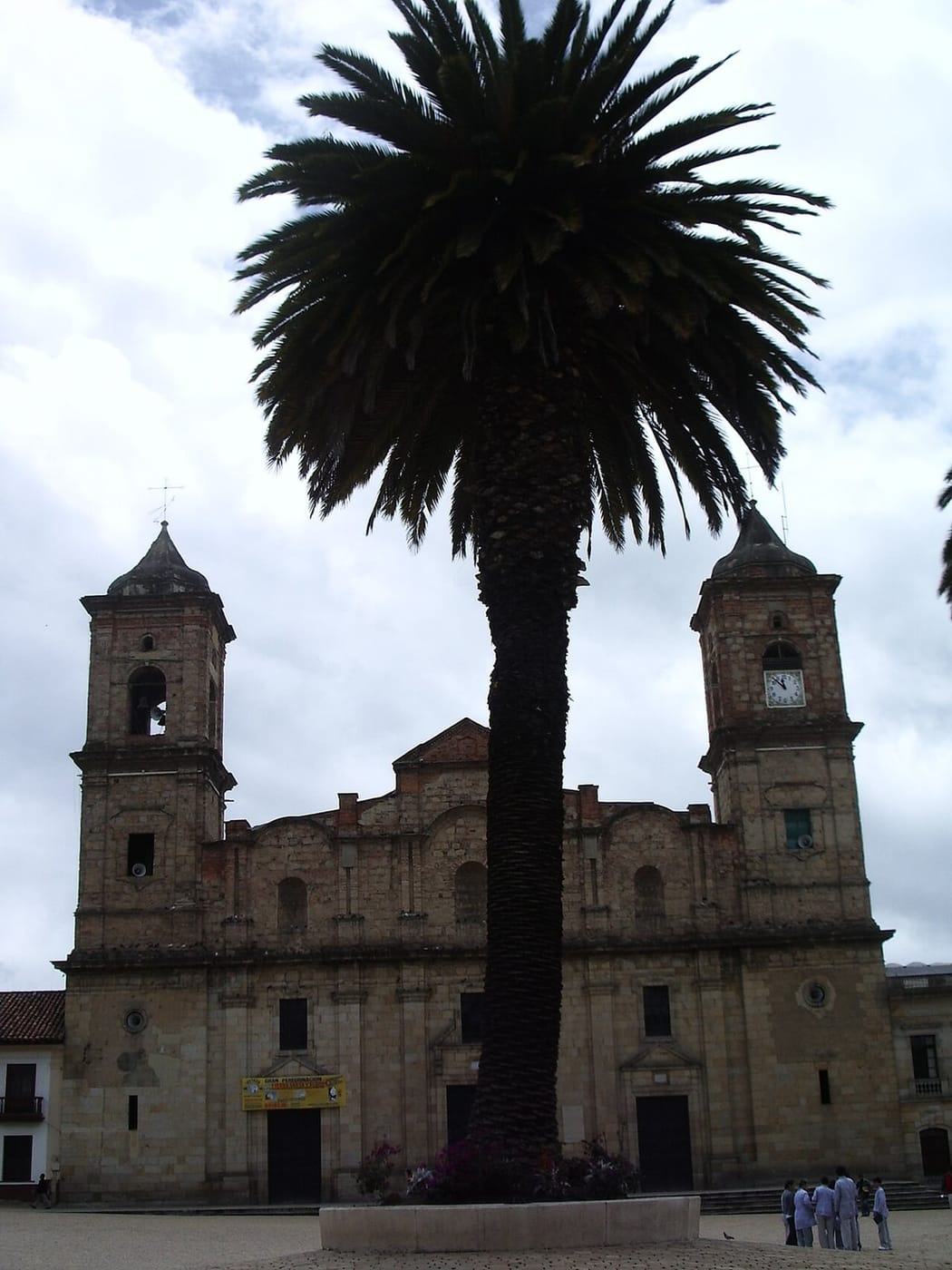
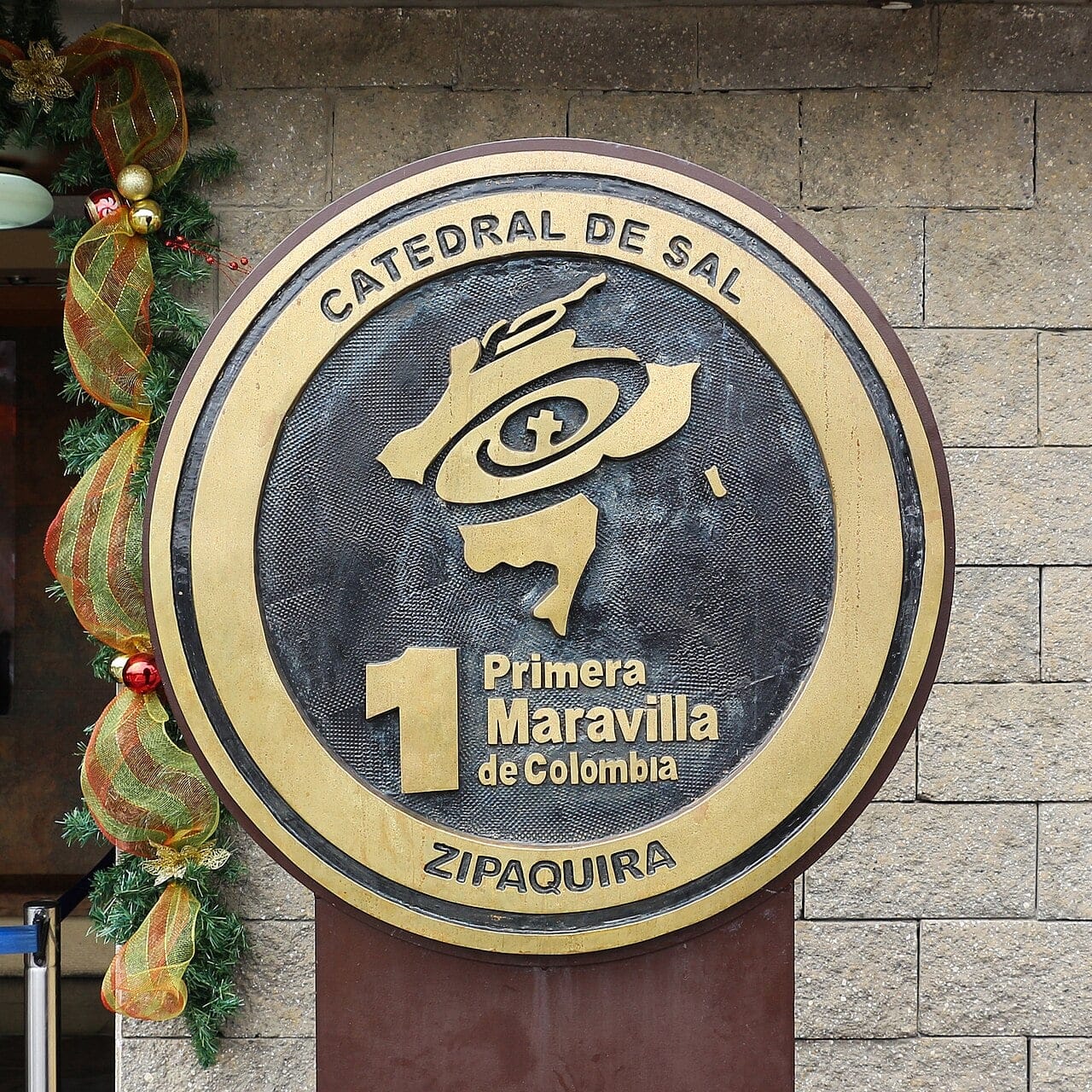
The Salt Cathedral is in Zipaquirá, inside a salt mine the Muisca were already working long before the Spanish arrived. There, 180 metres underground, the miners carved an entire church: you walk down tunnels with the Stations of the Cross sculpted in the salt rock and reach a huge nave, with a 16-metre cross lit up at the far end. Colombians voted it the country's first wonder.
The Guatavita Lagoon is something else: a round, silent lake high in the mountains, sacred to the Muisca. This is where the legend of El Dorado was born. When a new chief took power, he was covered in gold dust and taken on a raft to the centre of the lake, where he plunged into the water while gold and emeralds were thrown in as an offering to the gods.
The Spanish heard about that “golden man” and turned him into a city of gold they searched for over centuries. They even tried to drain the lake: the cut they opened in the mountain is still visible. The treasure never turned up, but the ceremony lives on in the Muisca Raft, the most famous piece in the Gold Museum.

The best verified guides to show you the nature around Bogotá

 +4

English · 7 hours

 +4

English · 7 hours

 +2

English · 4 hours
If you prefer nature, there is the hike to La Chorrera, the highest waterfall in Colombia, or a horseback ride through the Andes with views of the San Rafael reservoir. And if coffee is your thing, you can spend the day on an organic coffee farm and go through the whole process with the family that grows it.
Both, depending on the day. A local guide is worth it when you have to travel far, when you want to ask everything that comes to mind, or when you are heading to a neighbourhood you don't know. The audio guide wins when you want no schedule: you put your headphones on and the story starts right where you are standing. You pause it for a tinto, a small black coffee, and pick it up again whenever you like.
In Bogotá there is also an extra reason to go at your own pace: the altitude. In the first few days any climb is twice as tiring, and nobody wants to be running after a group.
The altitude: Bogotá is at 2,600 metres. On the first day walk slowly, drink water and leave Monserrate for when you feel fine.
The weather: it can be sunny and rainy within the same hour. Always carry a light waterproof jacket.
The museums: the Gold Museum closes on Mondays and the Botero Museum on Tuesdays. The Botero is always free; the Gold Museum, on Sundays.
Sundays: from 7 a.m. to 2 p.m. the main avenues are closed to cars for the ciclovía. It is the best day to walk the centre.
With one day you take home the heart of Bogotá. With two, the city Bogotanos live in. With three, the savanna, the salt and the mountains.
Stories of Bogota by local guides, in their own voice or an AI voice
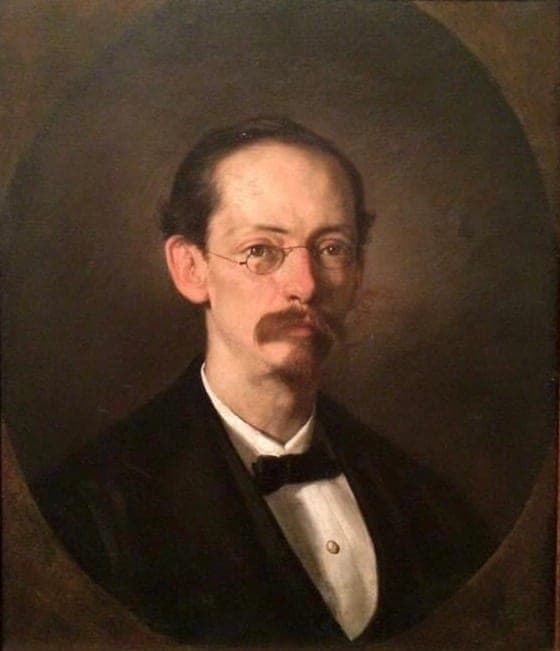 Gem · Audio guideAudio guide© Retrato de Rafael Pombo · Wikimedia CommonsBogota: Rafael Pombo HouseBogotoursEnglish · 5 min audio
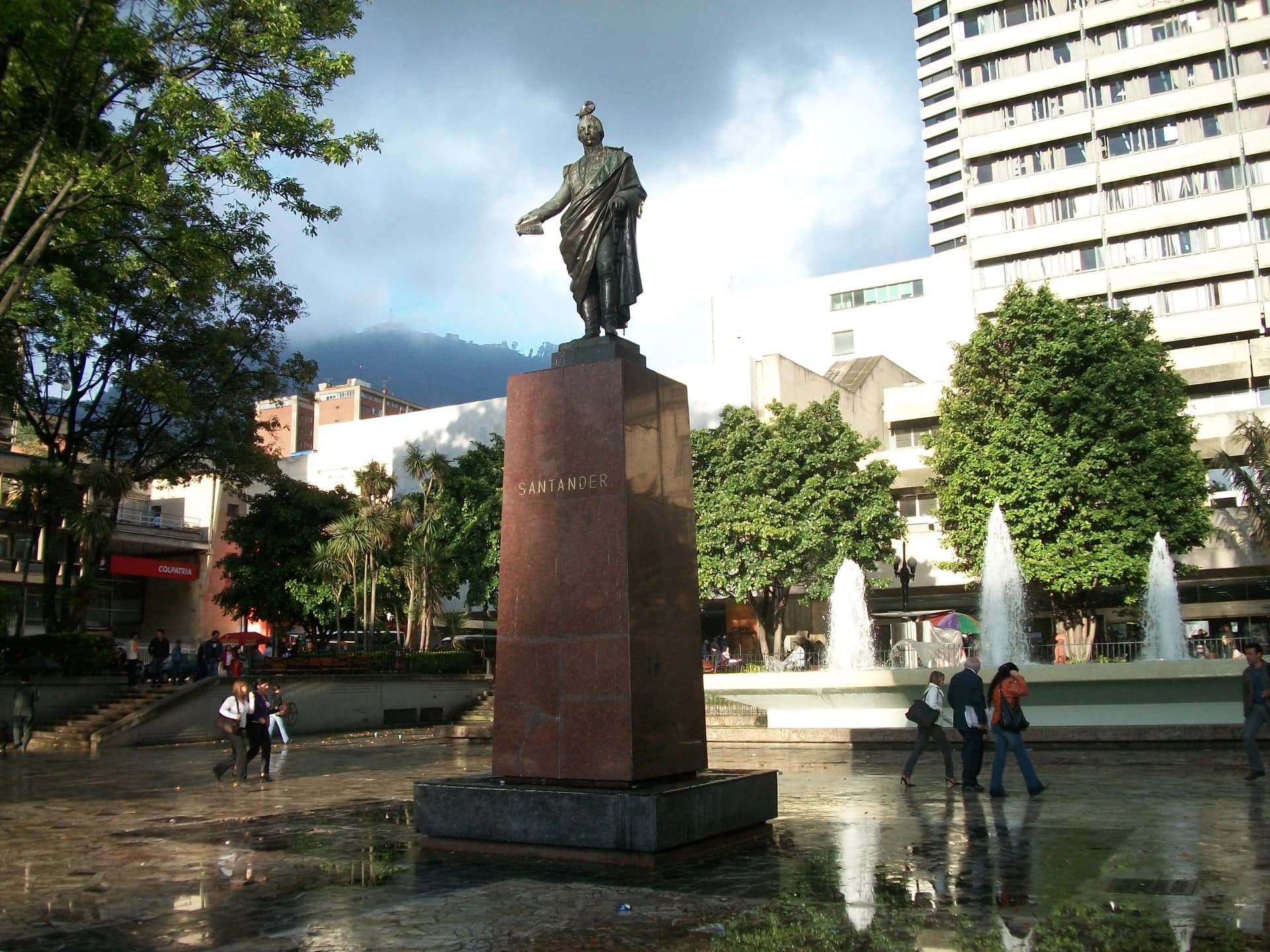 Gem · Audio guideAudio guide© Felipe Restrepo AcostaBogota: Santander ParkBogotoursEnglish · 4 min audio€0.99
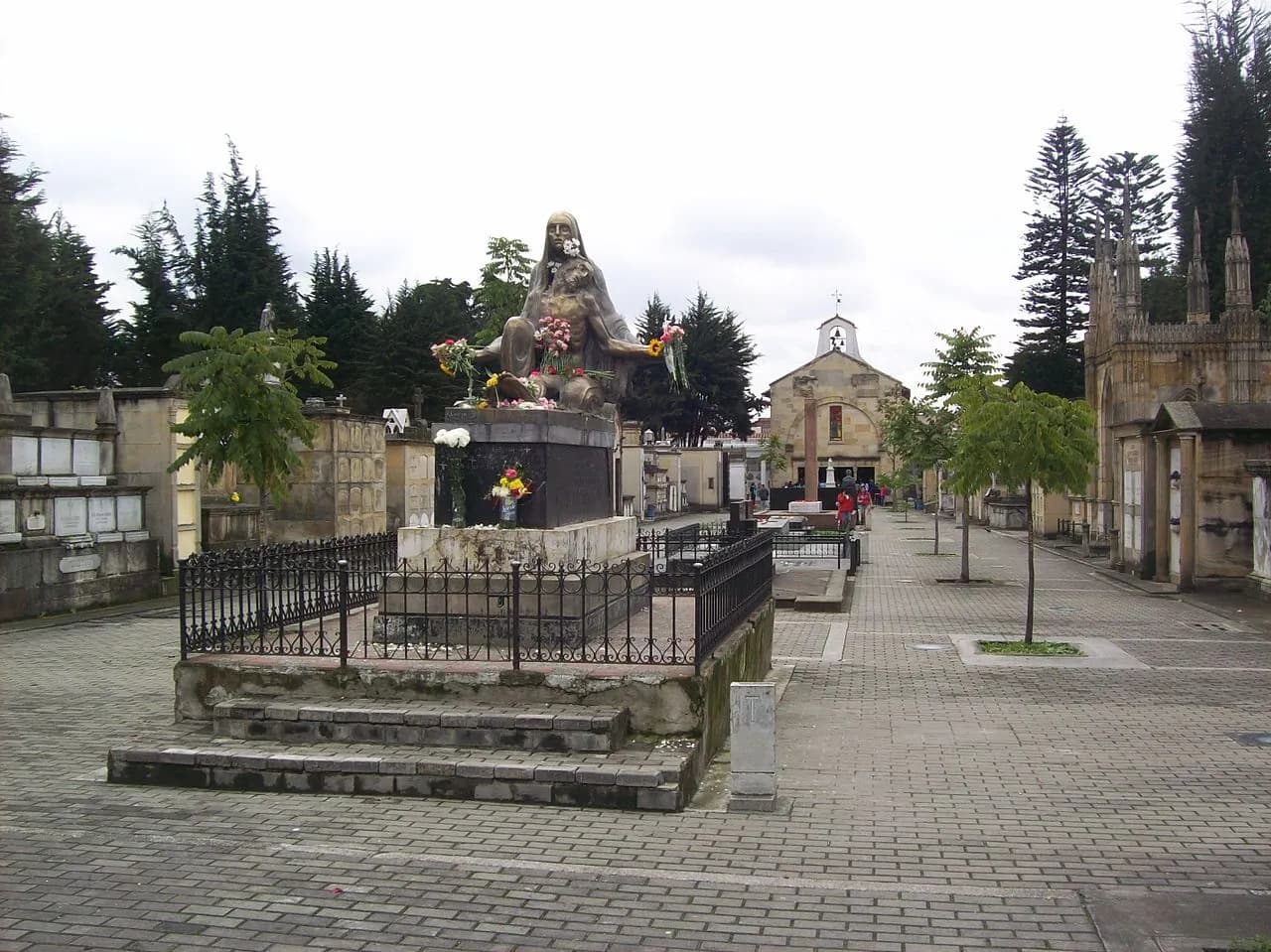 Gem · Audio guideAudio guide© Wikimedia CommonsCentral Cemetery of BogotáBogotoursEnglish · 6 min audio
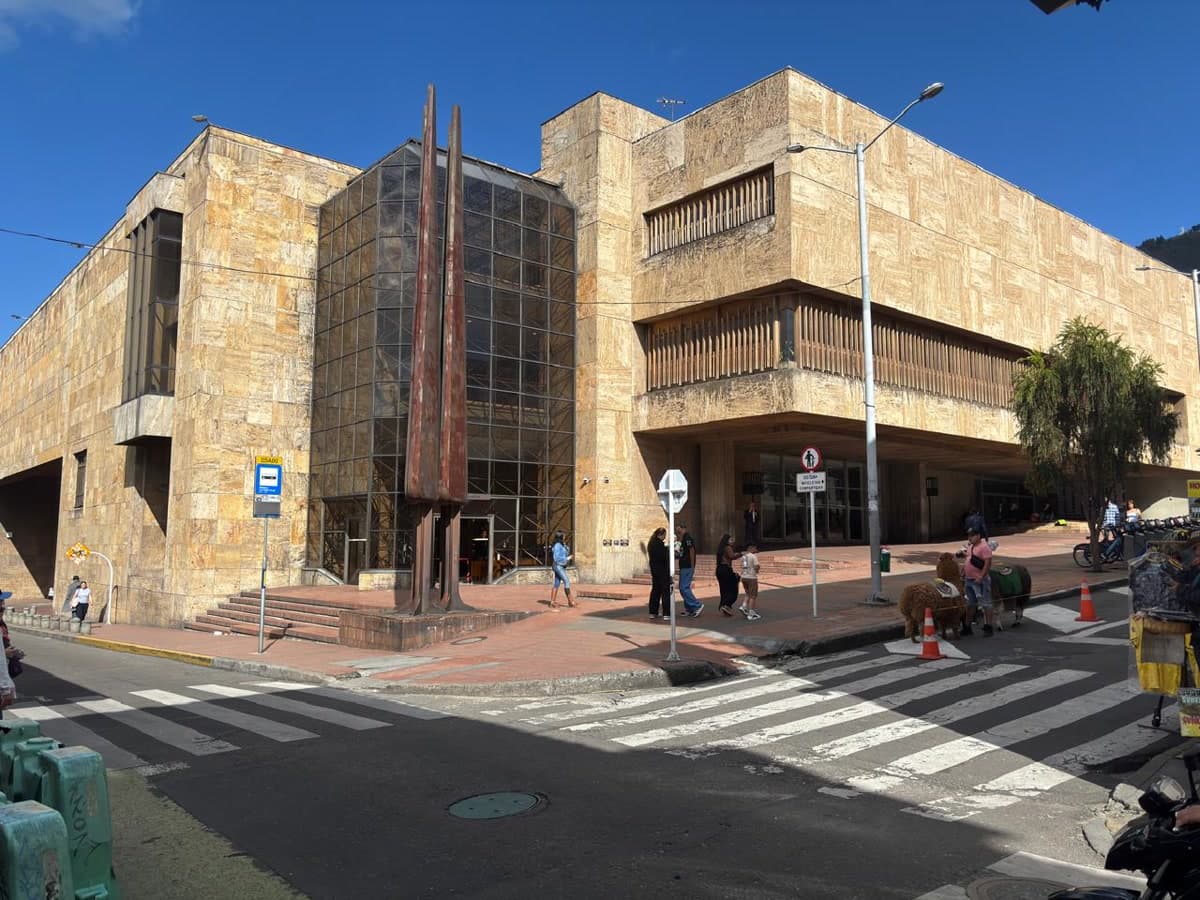 Gem · Audio guideAudio guide© Mauricio HerreraBogota: Gabriel García Márquez Cultural CenterBogotoursEnglish · 5 min audio
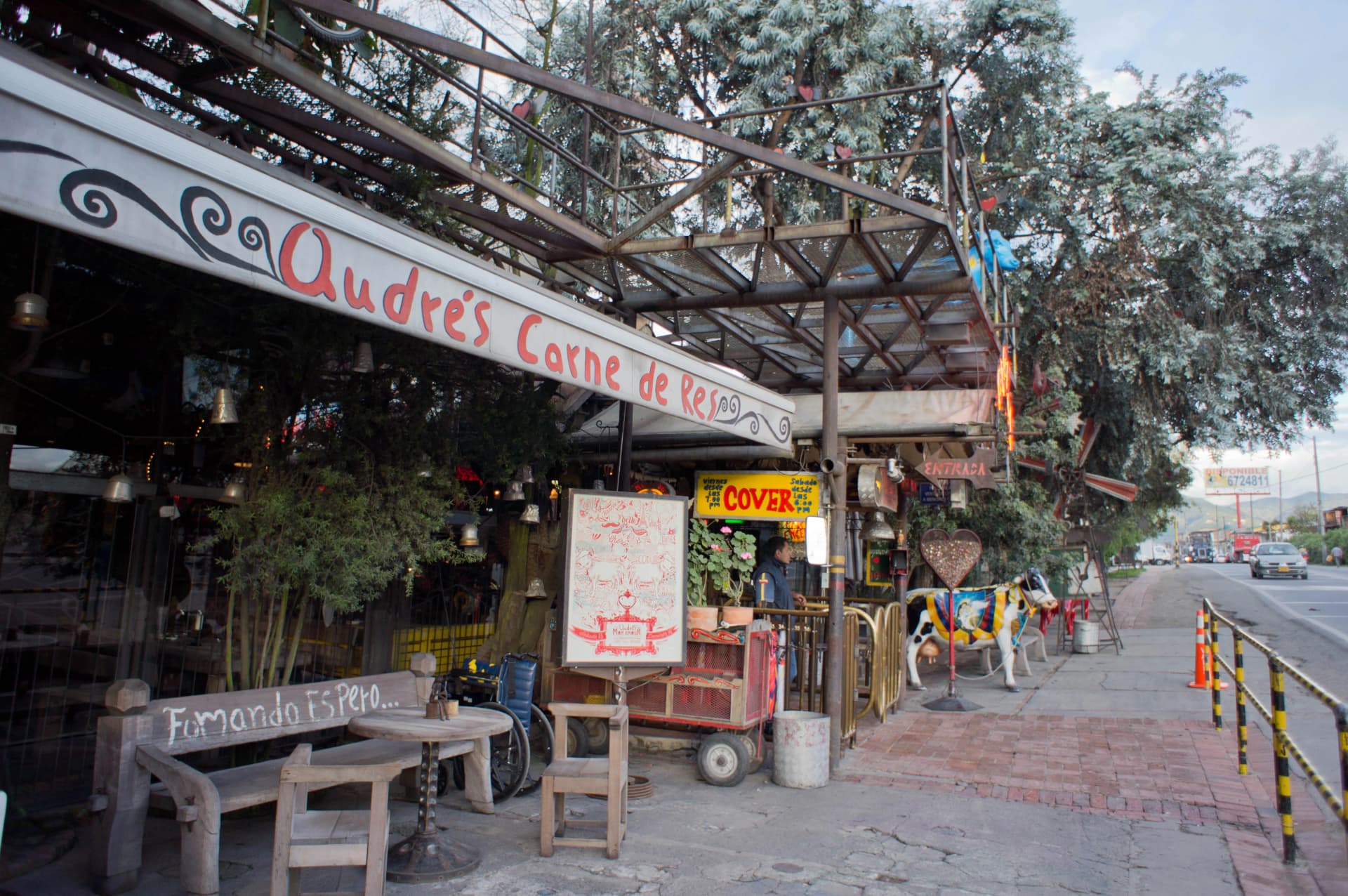 Gem · Audio guideAudio guide© Wikimedia CommonsBogota: Andrés Carne de ResBogotoursEnglish · 8 min audio€0.99
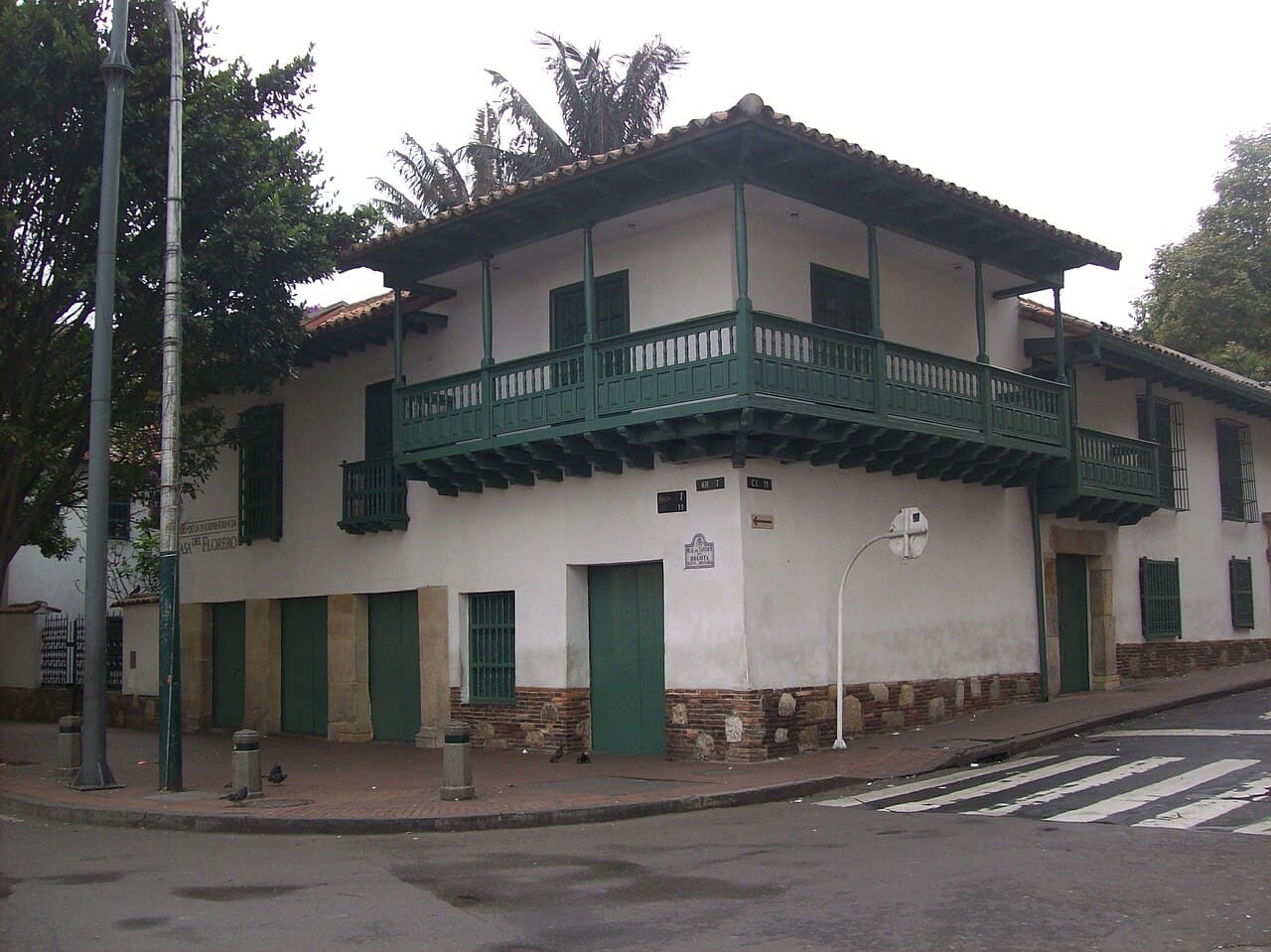 Gem · Audio guideAudio guide© BaijiBogota: Museum of IndependenceBogotoursEnglish · 8 min audio
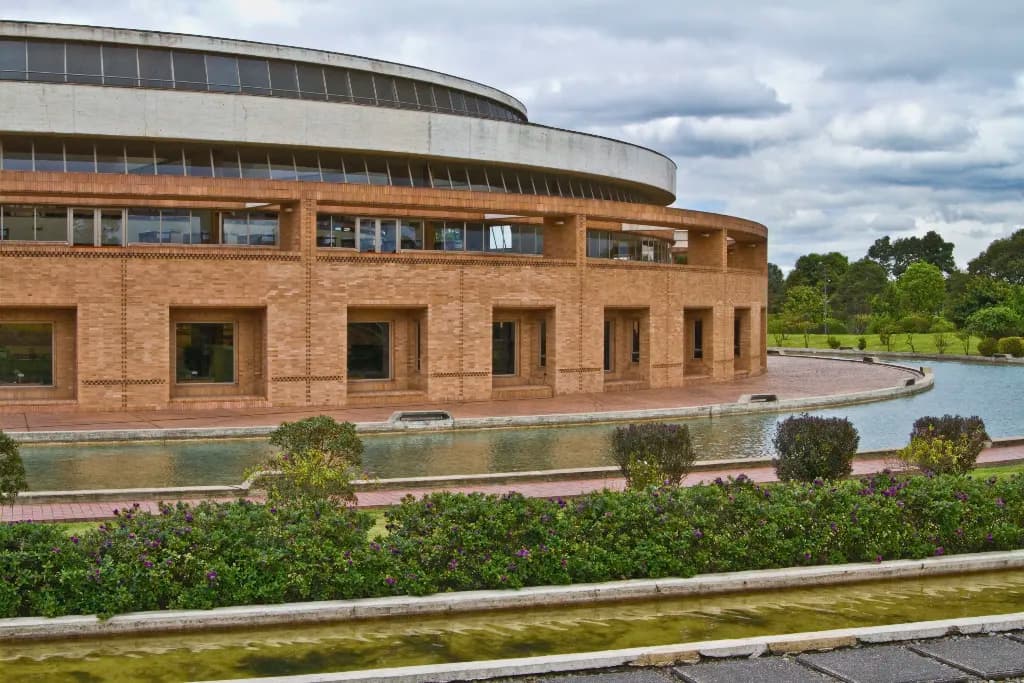 Gem · Audio guideAudio guide© Wikimedia CommonsBogota: Virgilio Barco Public LibraryBogotoursEnglish · 5 min audio€0.99
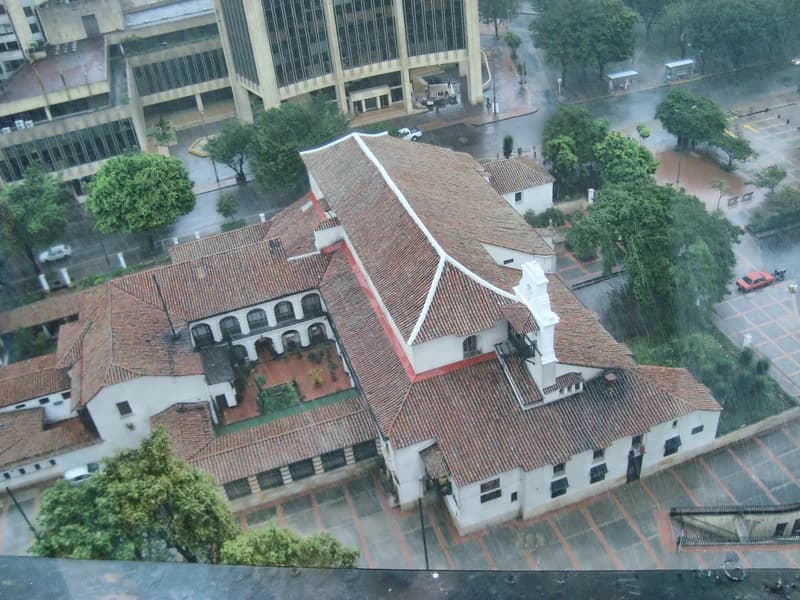 Gem · Audio guideAudio guide© MartinduqueaBogota: San Diego ChurchBogotoursEnglish · 4 min audio
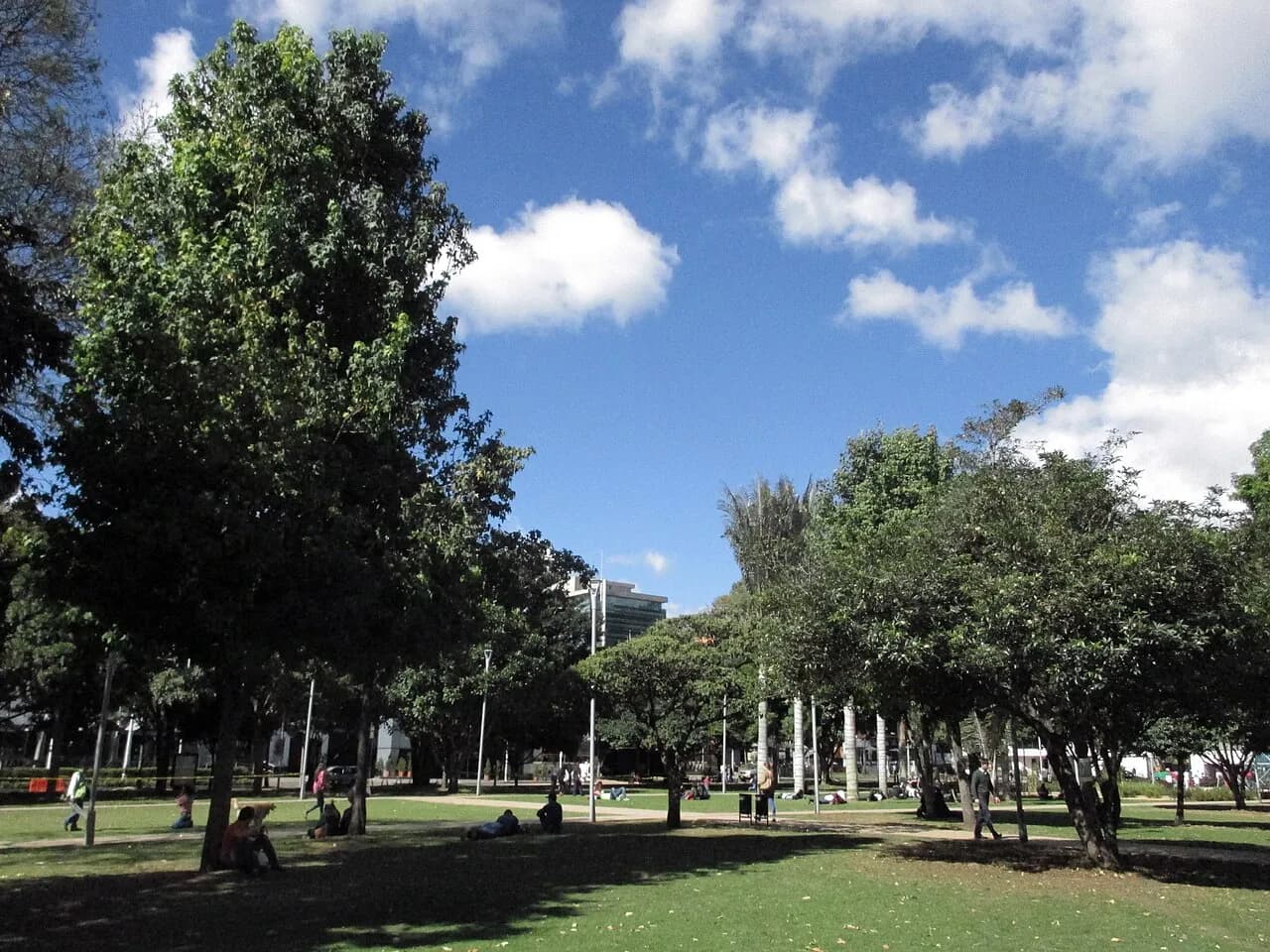 Gem · Audio guideAudio guide© Wikimedia CommonsBogota: 93rd Street Park (Parque de la 93)BogotoursEnglish · 4 min audio€0.99
 Gem · Audio guideAudio guide© Wikimedia CommonsMuseum of Modern Art of BogotáBogotoursEnglish · 5 min audio€0.99
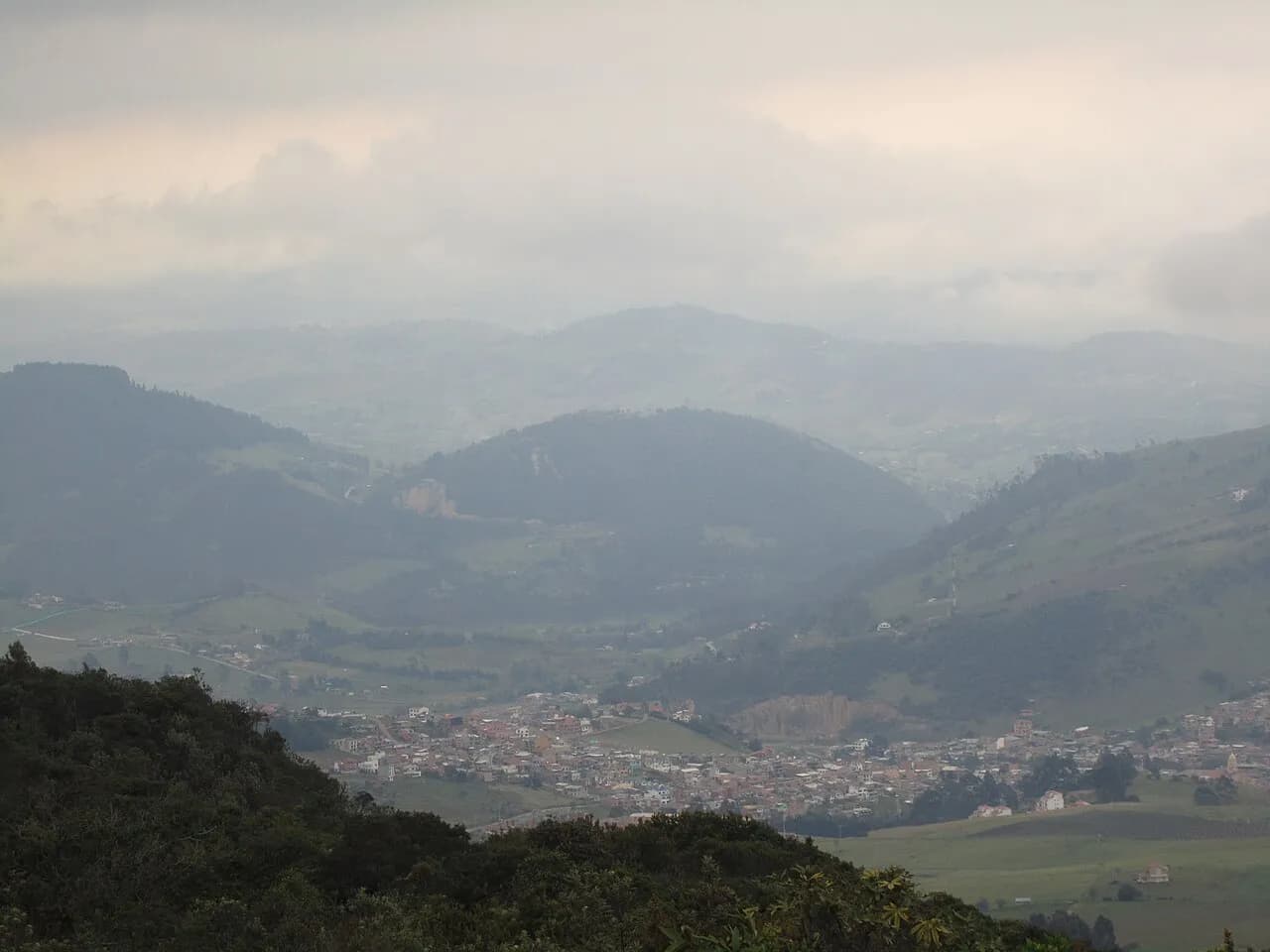 Gem · Audio guideAudio guide© Wikimedia CommonsBogota: La Calera ViewpointBogotoursEnglish · 4 min audio€0.99
 Gem · Audio guideAudio guide© Mario OssaBogota: CandelariaMario Ossa Torres2 min audio
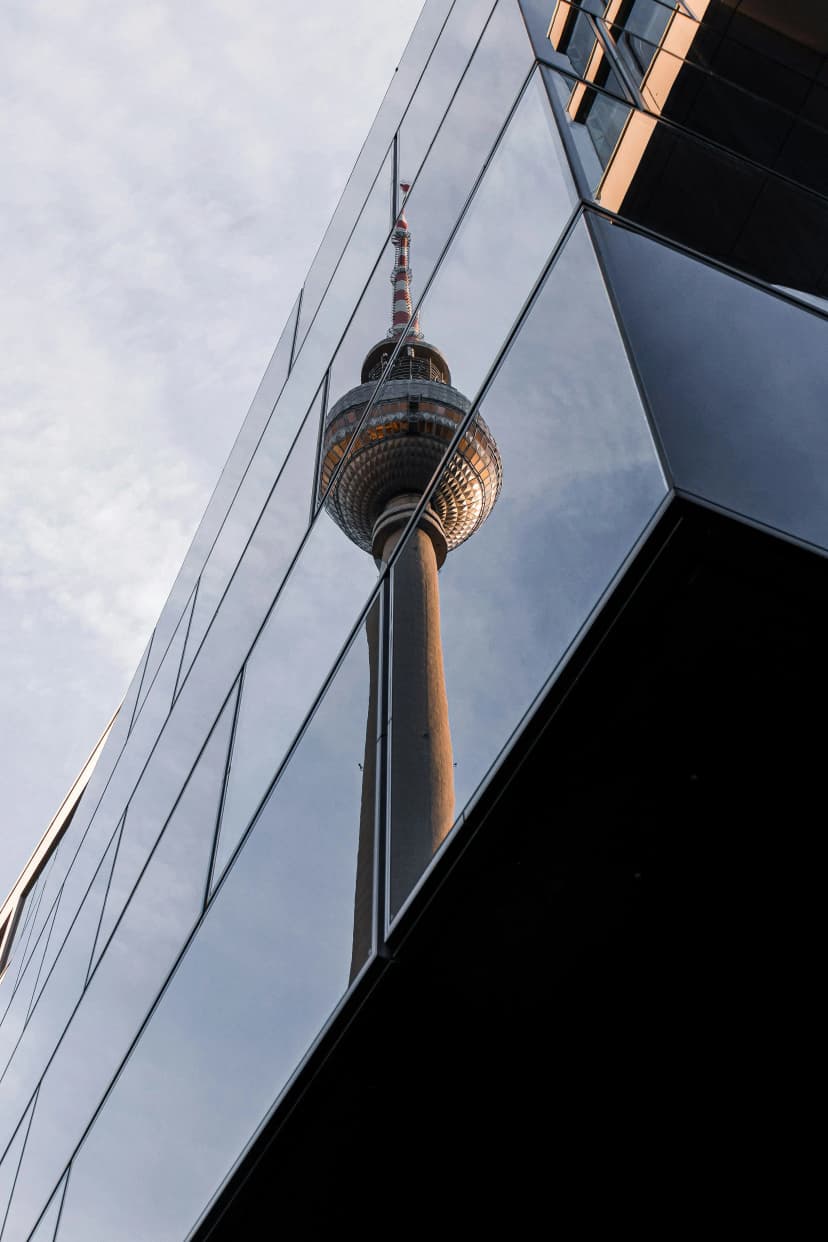
The complete guide to self-guided audio tours in Berlin: 5 routes (Third Reich, the Wall, Kreuzberg, Reichstag, Museum Island), which one to pick, how to plan your days, and answers to every question. In 7 languages, at your own pace.
Read more →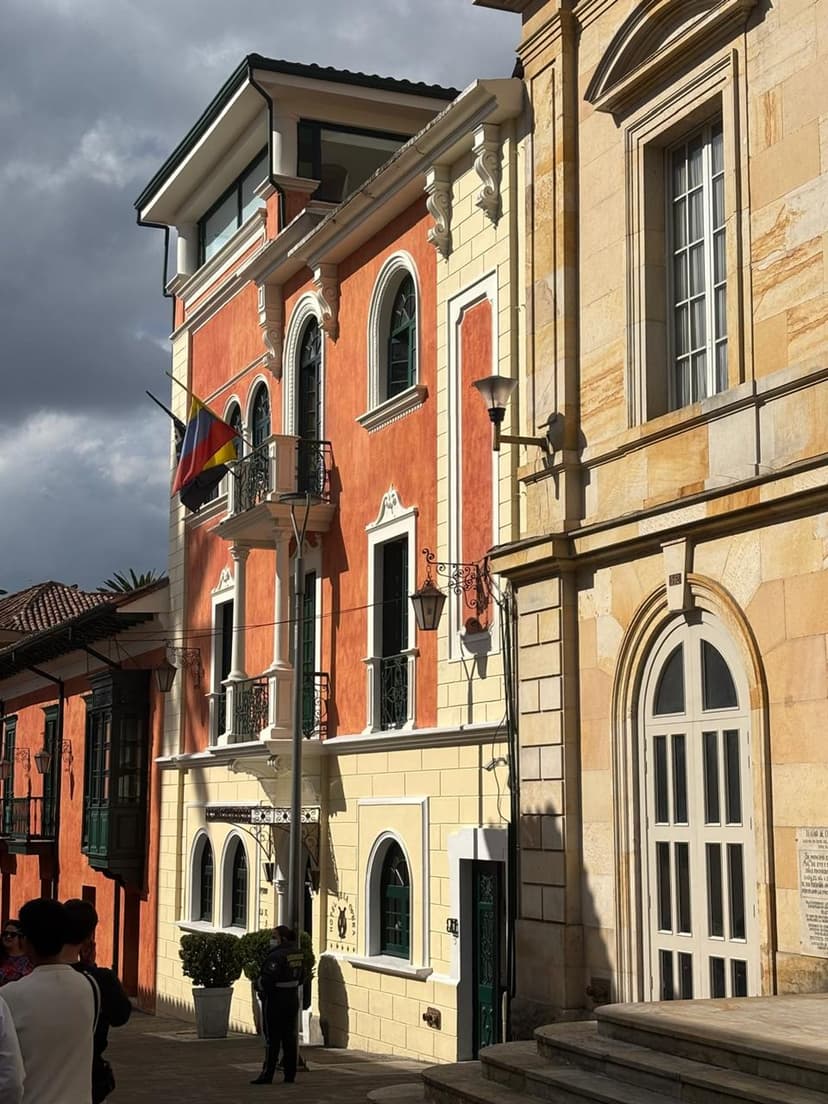
Discover Bogota with 3 self-guided audio tours: Plaza de Bolivar and the Gold Museum, La Candelaria to Chorro de Quevedo, or the National Park and La Macarena. In 7 languages, at your own pace.
Read more →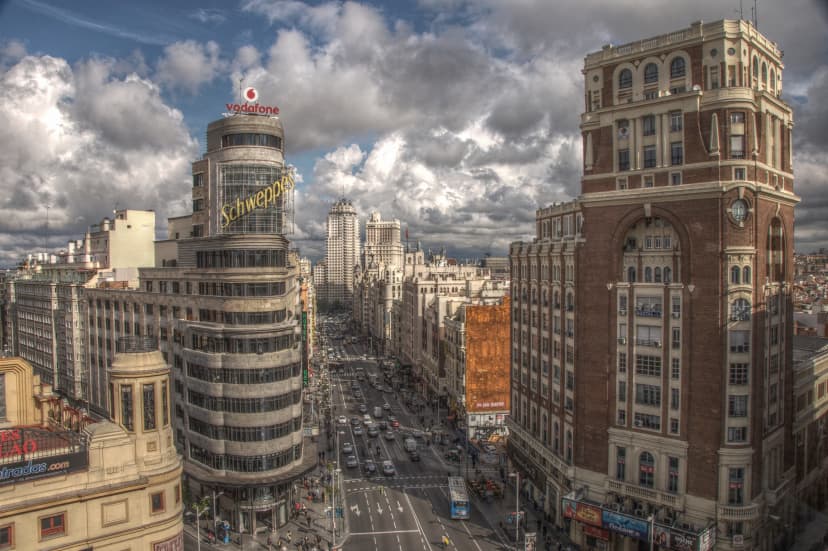
Most travellers choose a guided tour, but audio guides take off at monuments and attractions. The data, two routes through central Madrid and how to combine both.
Read more →
Sell audio guides, sell your in-person tours or do both. Here’s how each option works, how people book you and when you get paid.
Read more →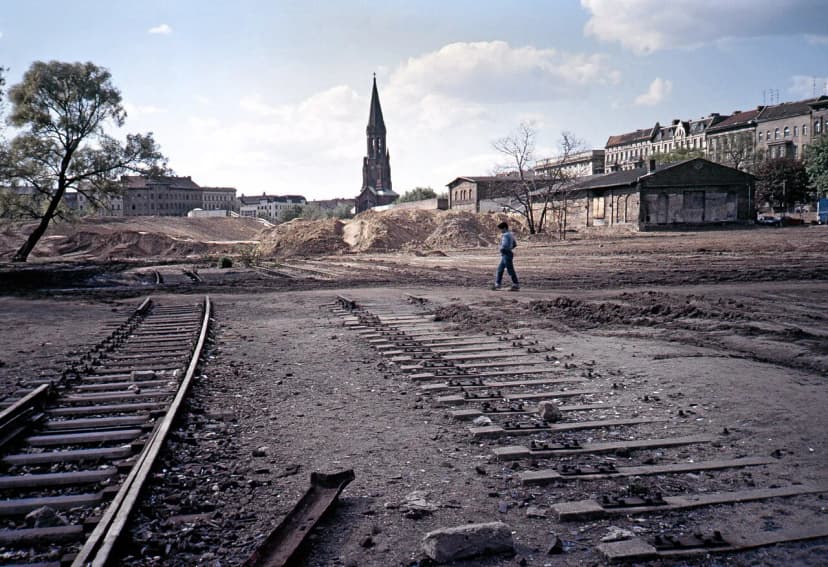
The complete guide to self-guided audio walking tours: why they beat group tours, how they work, who they're for, how to pick a good one, mistakes to avoid, and a full FAQ. On foot or by bike, in 7 languages, at your own pace.
Read more →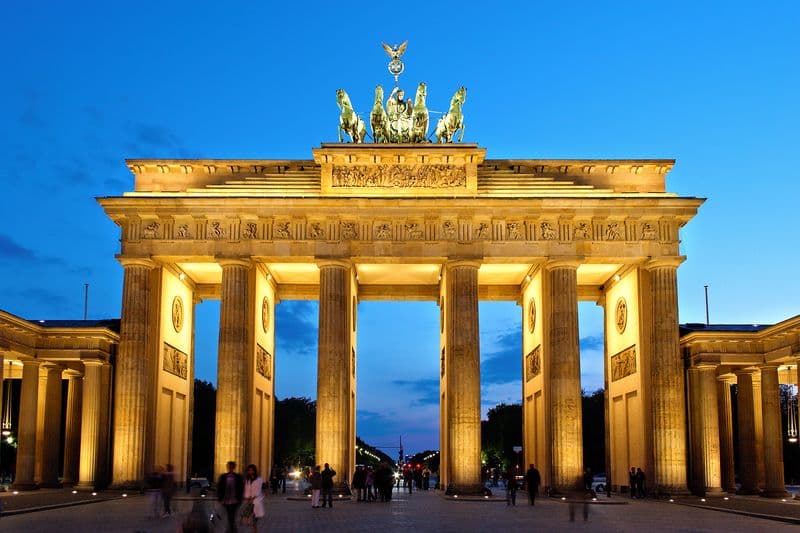
A realistic 3-day Berlin itinerary on foot: Mitte and the historic centre, the Wall and the east, the Jewish quarter and Kreuzberg. Distances, times, when to take the U-Bahn, and free audio guides in 7 languages for every stop.
Read more →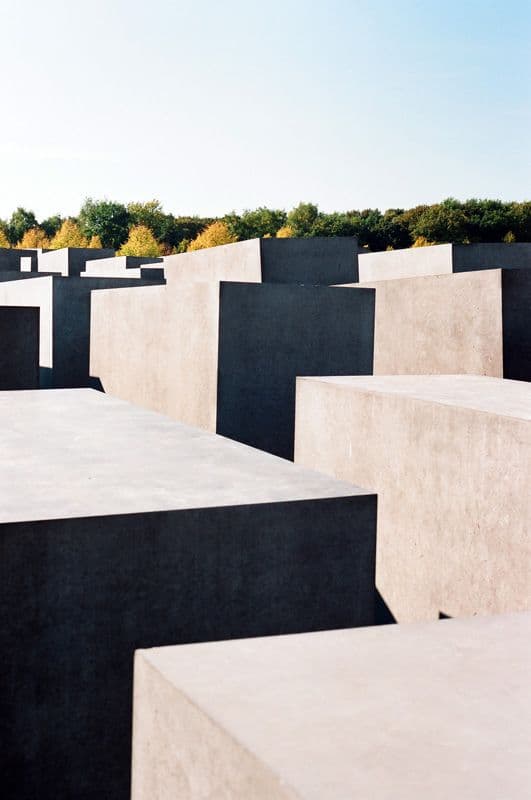
A guide to Berlin's Holocaust memorials: the Memorial to the Murdered Jews of Europe, the Sinti and Roma memorial, Bebelplatz, the Topography of Terror and the Jewish quarter. A 3-hour walking route, what each place means, and free audio guides in 7 languages.
Read more →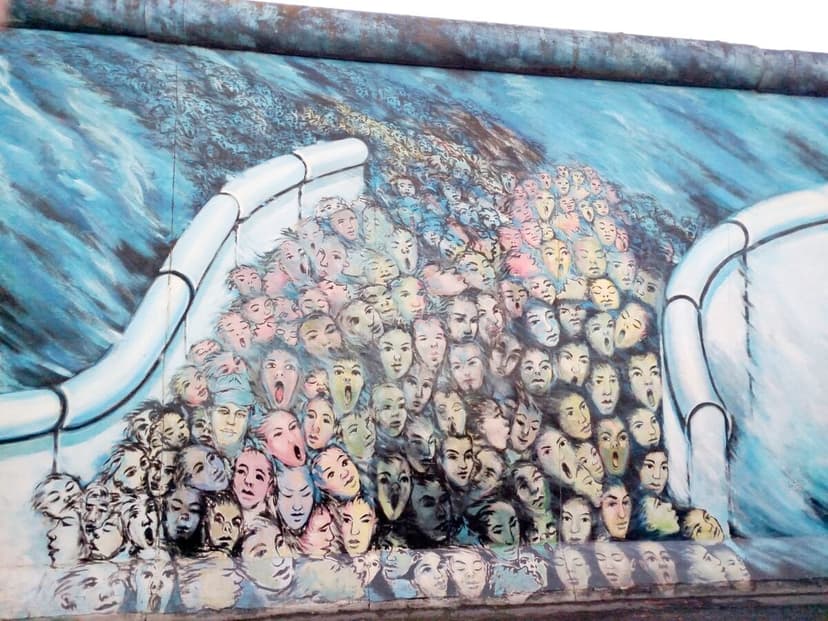
A guide to Berlin's East Side Gallery: what this stretch of wall really was, the stories behind the kiss, the Trabant and the faces of November, and a free audio walk along all 1.3 kilometres.
Read more →
The complete guide to social media for tour guides: why reels are the new word-of-mouth, which platform to be on, what to post, the mistakes to avoid, and how to turn views into bookings. With a full FAQ.
Read more →
Nobody knows you yet and you have no reviews. Here is how to get moving from the first few weeks and reach your first clients.
Read more →
Your tours with a booking button, your audio guides, a QR code and messages through LightUp Tours: everything you do on one page.
Read more →
Hear the stories of every place with gems and, if the guide runs in-person tours, book one with them. You pay nothing until the guide accepts.
Read more →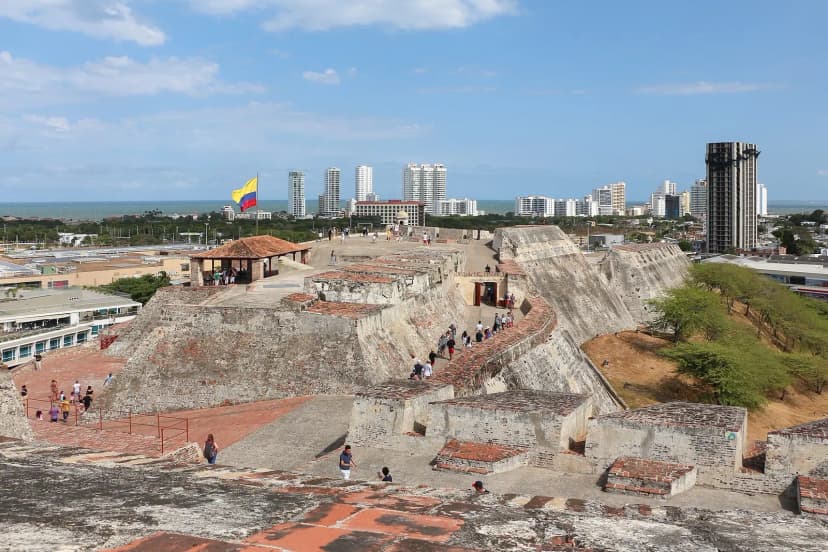
What to see at Castillo San Felipe de Barajas, the Cartagena, Colombia fortress (San Felipe Castle): tunnels, walls, best view, tickets, hours and audio guide.
Read more →Self-guided audio tours, offline-ready. Download the app and start exploring.