
Große Hamburger Straße Memorial
 By Mark Ahsmann - Own work, CC BY-SA 3.0
Jewish Berlin: Große Hamburger Straße – Audio guide
 LightUp Originals
I’ll tell you the secrets of Große Hamburger Straße Memorial. I guide you here with the map, or you can listen from home. What you see is not what you think, and knowing it is worth it. Some narrations are AI voices and others are real people.
Audio in:EnglishSpanishGermanFrenchItalianPortugueseChinese
How it works
- Go there
the app walks you there from wherever you are. - Listen there or from home
it plays by itself when you arrive, or press play from wherever you are. In your language if it was recorded in it. - Keep discovering
the Berlin map has more gems like this one, and you can put them together in a tour.
What you'll discover
In this quiet street, the Nazis gathered thousands of people before deporting them. Today there is an empty space that silently screams.
A desecrated cemetery, a school turned into a detention center, and an act of resistance that saved lives at this very address.
Große Hamburger Straße has visible scars if you know where to look. I will take you there and tell you the story.
About Große Hamburger Straße Memorial
>> Approach the memorial, observe the bronze figures and the solitary tombstone among the trees. This is one of the most important places in the Jewish history of Berlin. Stay here and listen.
Visiting Große Hamburger Straße Memorial
- How to get there
- The closest tram stop is Monbijouplatz, 125 meters away. S Hackescher Markt tram stop is 201 meters away, and U Weinmeisterstraße/Gipsstraße tram stop is 259 meters away.
- Entry and price
- Entry is free.
- Opening hours
- The site is always open.
Frequently asked questions
What can I see at the Memorial Große Hamburger Straße?
You can see figures of bronze and a symbolic gravestone for Moses Mendelssohn among the trees. There is also a sarcophagus filled with fragments of broken gravestones.
Why is Moses Mendelssohn significant to this site?
Moses Mendelssohn was a pivotal figure in Jewish history in Berlin. He was buried here, and his symbolic gravestone remains after the original was destroyed during the Nazi era.
What happened to the cemetery during the Nazi era?
In 1943, the Gestapo destroyed the cemetery, using the gravestones to reinforce walls of trenches and shelters. The bones of those buried were disinterred and scattered.
What historical events are associated with this location?
This site was a Sammellager, a collection camp, where 55,000 Berlin Jews were gathered before being deported to extermination camps like Auschwitz and Theresienstadt during the Nazi era.
What is nearby the Memorial Große Hamburger Straße?
Nearby, you can find the Peace Wall, Arnold David Koller, and Magicum, which is open daily with varying hours.
More audio guides in Berlin
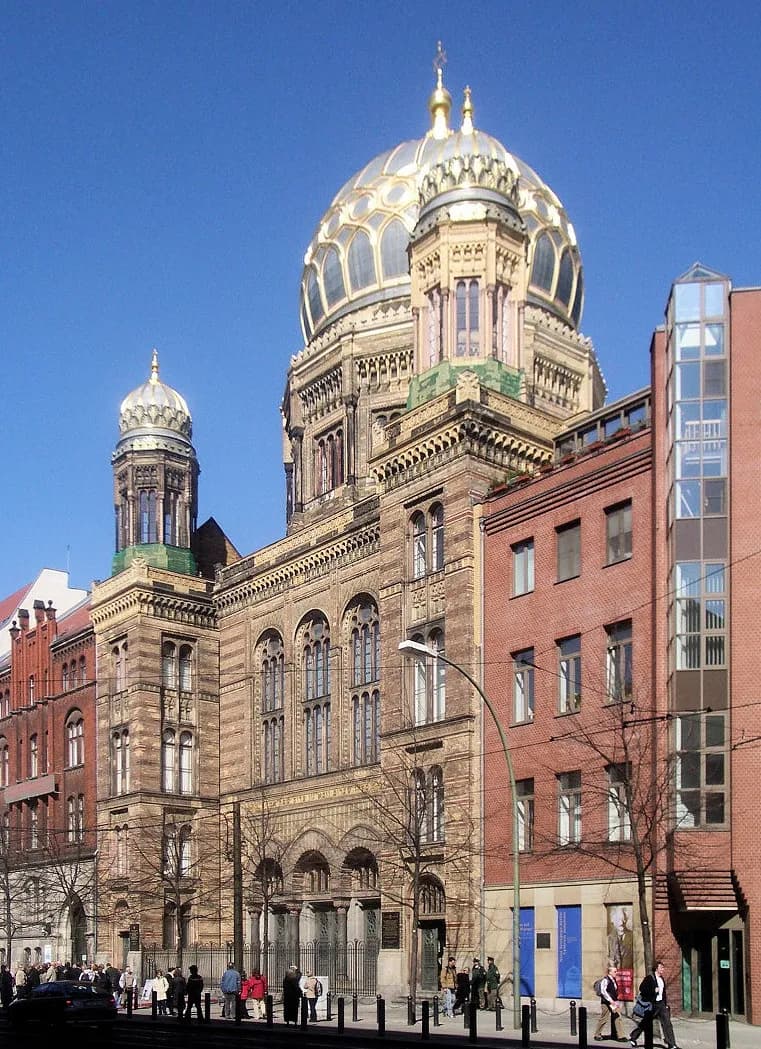 Gem · Audio guideAudio guideBerlin: New Synagogue© Andreas PraefckeLightUp OriginalsEnglish · 5 min audio€0.99
 Gem · Audio guideAudio guideBerlin: Zur Wilden Renate© dravvtLightUp OriginalsEnglish · 4 min audio
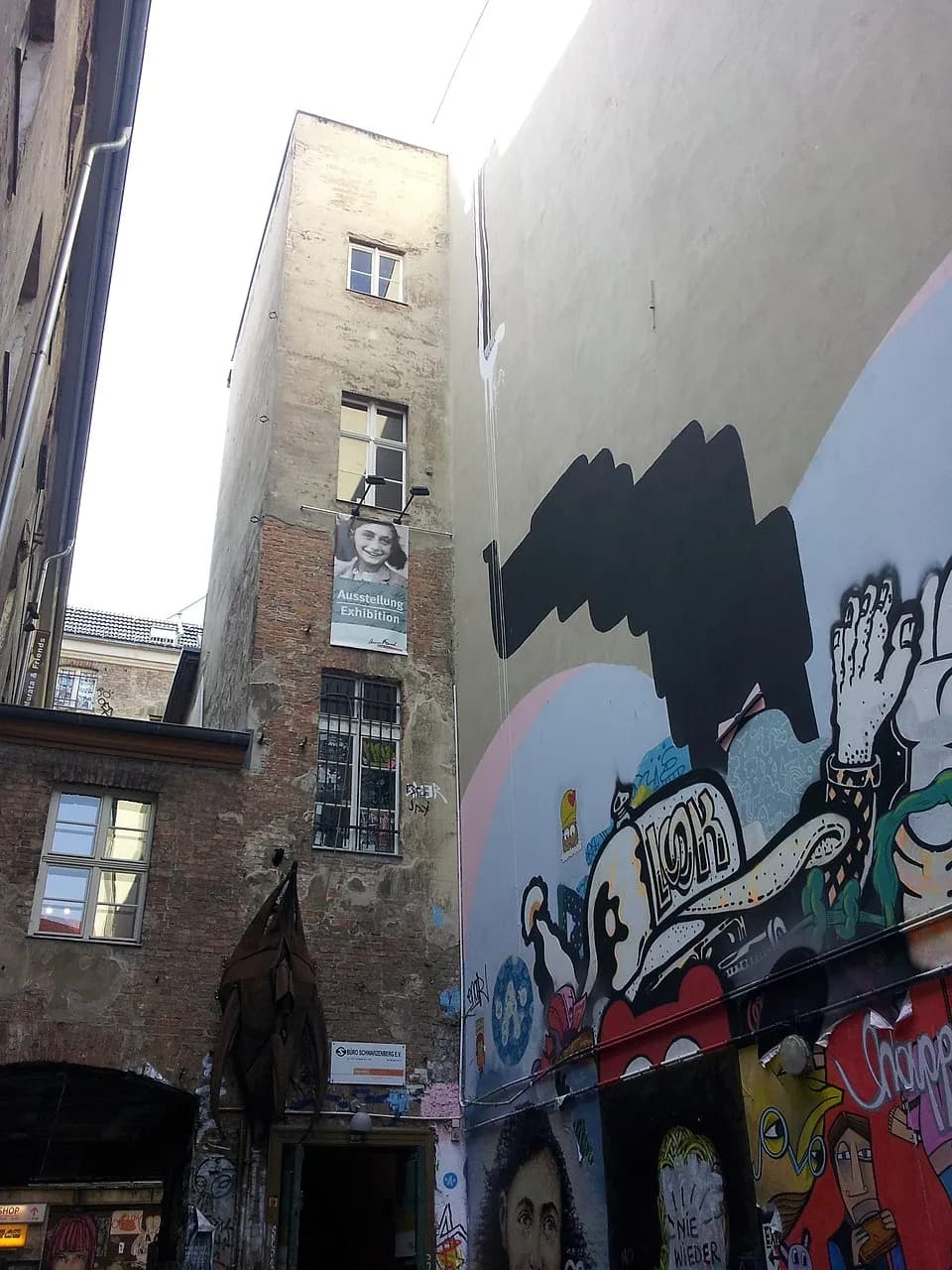 Gem · Audio guideAudio guideBerlin: Anne Frank Center© SPKrautkrämerLightUp OriginalsEnglish · 8 min audio
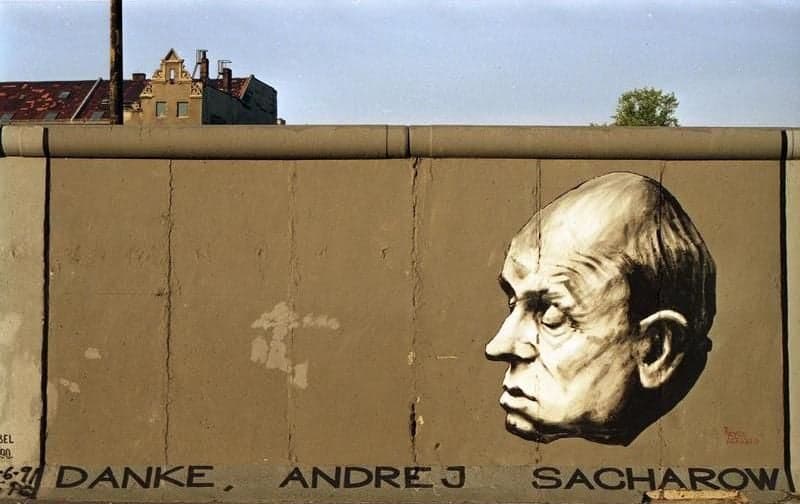 Gem · Audio guideAudio guideBerlin: Thank You, Andrei SakharovLightUp OriginalsEnglish · 4 min audio

Reviews
No reviews yet. Be the first.