CaixaForum Madrid
Scan it with your phone
Point your camera at the QR code
CaixaForum Madrid by Herzog & de MeuronAudio guide
 Told byLightUp
I’ll tell you the secrets of CaixaForum Madrid. I guide you here with the map, or you can listen from home. What you see is not what you think, and knowing it is worth it. Some narrations are AI voices and others are real people.
Free3 min AI voiceArt
Audio in:EnglishSpanishGermanFrenchItalianPortugueseChinese
How it works
- Go there
the app walks you there from wherever you are. - Listen there or from home
it plays by itself when you arrive, or press play from wherever you are. In your language if it was recorded in it. - Keep discovering
the Madrid map has more gems like this one, and you can put them together in a tour.
What you'll discover
Right on Paseo del Prado, in Madrid, a brick building seems to float above the ground. Unstable, suspended. But let me tell you: it's not an illusion. Herzog and de Meuron cut its base not just for aesthetics. They solved a problem: the streets around were narrow, no perspective. By removing the granite plinth, an open space appeared underneath. A covered plaza where the building seems to levitate. But let me tell you what was here before. In nineteen-oh-one, the Mediodía Power Station started here. Coal, steam, dynamos. Three decades feeding electricity to southern Madrid. Herzog and de Meuron gutted the interior, demolished a gas station next door, and created a public plaza. The building floats, suspended on strategic pillars. The plant closed in nineteen thirty. It passed through the hands of ONCE, the National Organization of the Blind. In two thousand one, the la Caixa Foundation bought it to turn it into a museum. On the neighboring wall, botanist Patrick Blanc designed a twenty-four-meter vertical garden. Fifteen thousand plants from two hundred fifty different species. No soil, just water and nutrients. It opened in two thousand eight. From coal and dynamos to art and conversation. The energy keeps flowing. Listen to the full guide and I'll tell you more.
About CaixaForum Madrid
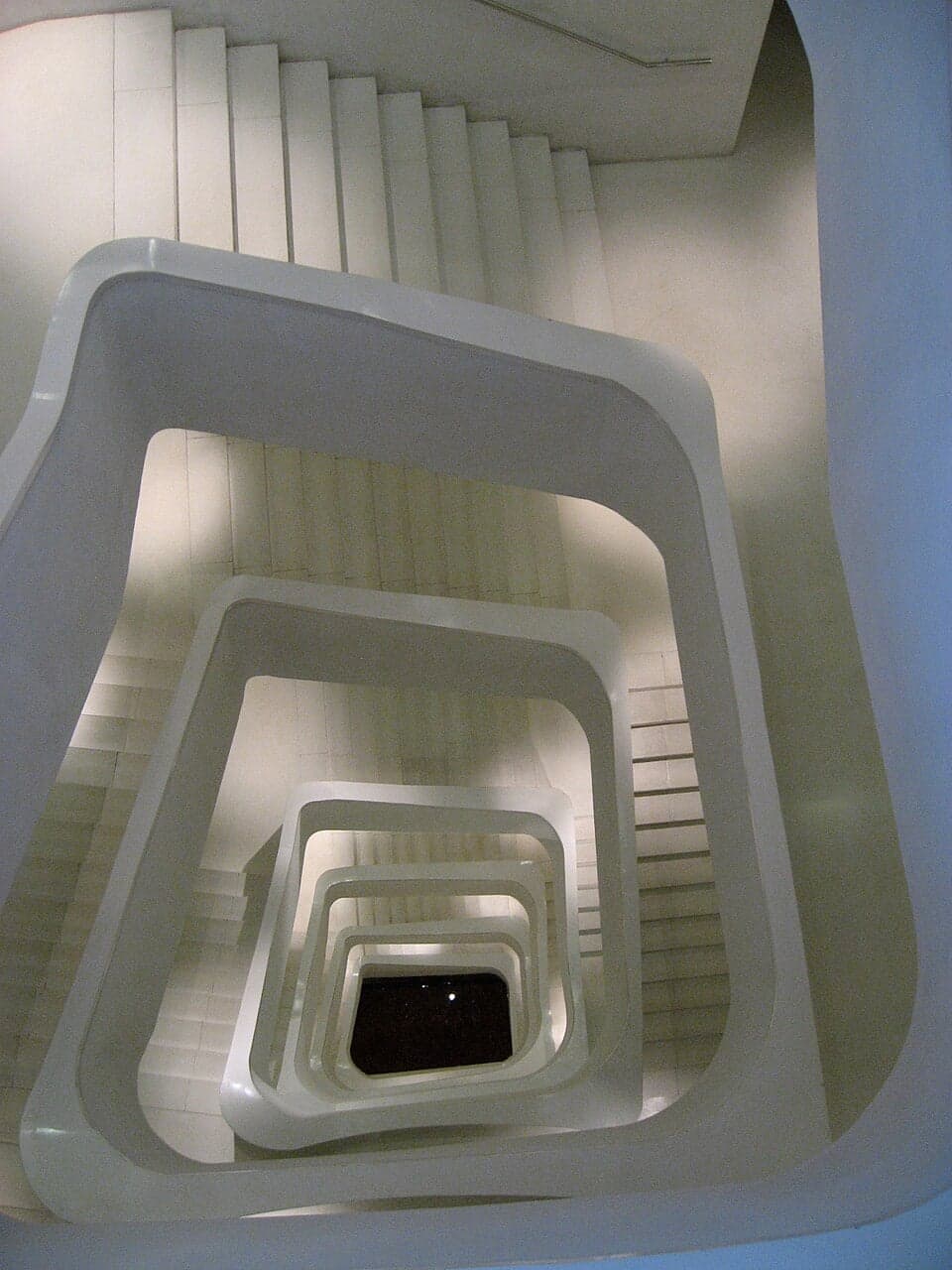
In eighteen ninety-nine, this site housed the La Estrella candle factory. Madrid was growing and needed electricity. A businessman named José Batlle saw the opportunity. He needed a thermal power plant for the south of the city center. In nineteen oh-two, after three years of construction, the Central Eléctrica del Mediodía started up. A giant of brick and steam. Three steam boilers, three horizontal engines of one hundred and twenty horsepower, and three eighty-kilowatt dynamos powered the entire south of Madrid. The architect Jesús Carrasco y Encina and the engineer José María Hernández designed a robust and functional building. Nothing more. For three decades, the Unión Eléctrica Madrileña operated the plant without pause. Coal came in, light went out. In nineteen thirty, the plant closed. The machines stopped. The building fell silent. A few years passed in abandonment. Then, in nineteen thirty-eight, the ONCE, the National Organization of the Blind, became the owner. The building remained in the hands of the ONCE for decades. In two thousand one, the Fundación la Caixa bought it. La Caixa didn't want just any museum. They called the Swiss architects Herzog and de Meuron, winners of the Pritzker Prize. Herzog and de Meuron completely emptied the building. They left only the brick shell, like a historic skin. Then they cut the granite base. They created the illusion that the building floats over the plaza, suspended in the air. They added two underground floors and two above. The upper ones were clad in corten steel, rusty and rough. They demolished the gas station that occupied part of the site. Thus, a new public plaza for Madrid was born. On the neighboring wall, the botanist Patrick Blanc designed a twenty-four-meter vertical garden. Something never seen in Madrid. Blanc selected two hundred and fifty different species. He attached each one to a metal support with integrated drip irrigation. Fifteen thousand plants now cover that wall. The garden breathes, grows, changes color with the seasons. The building opened in two thousand eight. Ten thousand square meters dedicated to contemporary art and culture. Two thousand square meters of exhibition halls, an auditorium with three hundred and twenty-two seats, multipurpose rooms. Inside, a white sculptural staircase twists downward. Its rectangular shapes stack in a spiral. Some compare it to the Guggenheim in New York. But this staircase is quieter, more intimate. The CaixaForum is located right on Paseo del Prado, surrounded by the Prado Museum, the Thyssen, and the Reina Sofía. In two thousand twenty-one, the Paseo del Prado was declared a World Heritage Site by UNESCO. What was once coal and dynamos is now art and conversation. The energy continues to flow, in a different way.
Visiting CaixaForum Madrid
- How to get there
- The closest bus stops are Museo del Prado-Jardín Botánico (143 meters, line 79) and Prado-Atocha (144 meters, line 81). The nearest metro/train stop is Plaza del Emperador Carlos V, 231 meters away.
- Opening hours
- Monday to Sunday, 10:00-20:00.
- Entry
- Yes, the site is accessible.
- Website
- https://fundacionlacaixa.org/es/caixaforum-madrid
Frequently asked questions
What is the history of CaixaForum Madrid?
Originally a power station built in 1902, it was transformed into a cultural center by the Swiss architects Herzog and de Meuron in 2008. The building is known for its unique architectural design, including a floating appearance and a vertical garden.
What can I see at CaixaForum Madrid?
The center hosts temporary art exhibitions and cultural events. It features 2,000 square meters of exhibition space, an auditorium with 322 seats, and multipurpose rooms.
What is the vertical garden at CaixaForum Madrid?
Designed by botanist Patrick Blanc, the vertical garden is 24 meters high and features 15,000 plants from 250 different species. It changes color with the seasons and is a unique feature in Madrid.
What is nearby CaixaForum Madrid?
CaixaForum is located on Paseo del Prado, surrounded by major cultural sites like the Museo del Prado, the Thyssen, and the Reina Sofía. The area was declared a UNESCO World Heritage site in 2021.
More audio guides in Madrid

Reviews
No reviews yet. Be the first.