
My God, Help Me to Survive This Deadly Love
 dravvt
The Brezhnev–Honecker Kiss: East Side Gallery – Audio guide
 LightUp Originals
I’ll tell you the secrets of My God, Help Me to Survive This Deadly Love. I guide you here with the map, or you can listen from home. What you see is not what you think, and knowing it is worth it. Some narrations are AI voices and others are real people.
Audio in:EnglishSpanishGermanFrenchItalianPortugueseChinese
How it works
- Go there
the app walks you there from wherever you are. - Listen there or from home
it plays by itself when you arrive, or press play from wherever you are. In your language if it was recorded in it. - Keep discovering
the Berlin map has more gems like this one, and you can put them together in a tour.
What you'll discover
On the East Side Gallery, two men kiss on weathered concrete. Graffiti covers their faces. The paint is cracked.
October seventh, nineteen seventy-nine. Brezhnev and Honecker embraced on the thirtieth anniversary of East Germany. A socialist fraternal kiss.
French photographer Régis Bossu caught the moment. Paris Match ran it across a double spread. It became the face of the Eastern Bloc.
In nineteen ninety, Russian artist Dmitry Vrubel painted it here. The Wall had just fallen. Brezhnev was dead. The GDR was gone.
He cropped Honecker's head outside the frame. East Germany was always the smaller partner, half-visible, obedient.
Today tourists sign their names across their lips. The rust, the graffiti, the signatures — all part of the story now.
Listen to the full guide. I'll take you to the wall and show you what happened here.
About My God, Help Me to Survive This Deadly Love
Two men lean in. Their lips meet. One is Leonid Brezhnev, Soviet leader. The other is Erich Honecker, head of East Germany. This is the kiss that shook the world. The mural is called 'Mein Gott, hilf mir, diese tödliche Liebe zu überleben.' My God, help me to survive this deadly love. It was painted by Dmitry Vrubel, a Russian artist born in Moscow on July fourteenth, nineteen sixty. He moved to Berlin in nineteen ninety. Vrubel studied graphic design at the Moscow Lenin Institute. Before Berlin, he ran a small art gallery in his Moscow apartment. The image comes from a photograph. In nineteen seventy-nine, French photographer Régis Bossu captured the moment at the thirtieth anniversary celebration of the German Democratic Republic. It was called 'Le baiser'—the kiss. A fraternal socialist greeting, frozen in time. When Vrubel saw it, he later said, it electrified him. But the title didn't come from politics. Vrubel gave it that name in nineteen ninety, when he had severe lovesickness. He sought healing through irony. The Wall had just fallen. Artists from around the world were invited to paint on a one point two kilometre stretch. They called it the East Side Gallery. Vrubel painted his mural in nineteen ninety-one. He worked directly on the concrete, seven point two metres wide, three point six metres tall. His method, he said, was multimedia graffiti. He reproduced images from the internet, transferring them onto concrete in photorealistic detail. While he painted, Vrubel said he felt trapped between the lips of two disgusting old men. It was intimate. It was repulsive. The mural became famous immediately. Sarcastic, haunting, absurd. A Mona Lisa of the Wall. Everyone came to see it. But fame brought violence. Visitors threw paint bags at the central area, censoring the intimately entwined lips with dripping streaks of color. By two thousand nine, the original mural had been destroyed. The Gallery needed restoration. The Wall was crumbling. At first, Vrubel refused to restore it. He was tired. The work had drained him. But eventually, he returned to the Wall. He repainted the mural in two thousand nine, reproducing every detail. The lips. The pale blue. The intimacy. The absurdity. The concrete you see today bears the marks of both versions. Weathered. Scarred. Covered in visitor inscriptions, names, declarations. Vrubel lived in Berlin until his death. He ran a gallery with his wife, artist Victoria Timofeeva. He never left the city. On August fourteenth, twenty twenty-two, Dmitry Vrubel died in Berlin. He was sixty-two. The mural outlived him. Today, the East Side Gallery stretches along the Spree. One point two kilometres of murals. Vrubel's is the most famous. Tourists still come. They photograph the kiss. They add their names. The Wall continues to speak. The concrete is real. It stood here when the city was divided. It held people in. It kept people out. Now it holds a kiss. A deadly love. A moment of absurdity painted by a man who understood irony as survival. Mein Gott, hilf mir, diese tödliche Liebe zu überleben. The prayer is still here. The Wall is still listening.
Frequently asked questions
Where is the Brezhnev–Honecker kiss mural?
At the East Side Gallery in Berlin, by the River Spree. LightUp guides you there and tells you what's behind it.
What does the kiss mural mean?
It's titled 'My God, help me to survive this deadly love'. The title didn't come from politics: the audio guide tells you where it came from.
Is the kiss mural the original?
Not quite. What happened to the original, and why its painter didn't want to repaint it, LightUp tells you.
Is there an audio guide for the East Side Gallery kiss?
Yes. With LightUp you listen in front of the mural or from home, in 7 languages.
More audio guides in Berlin
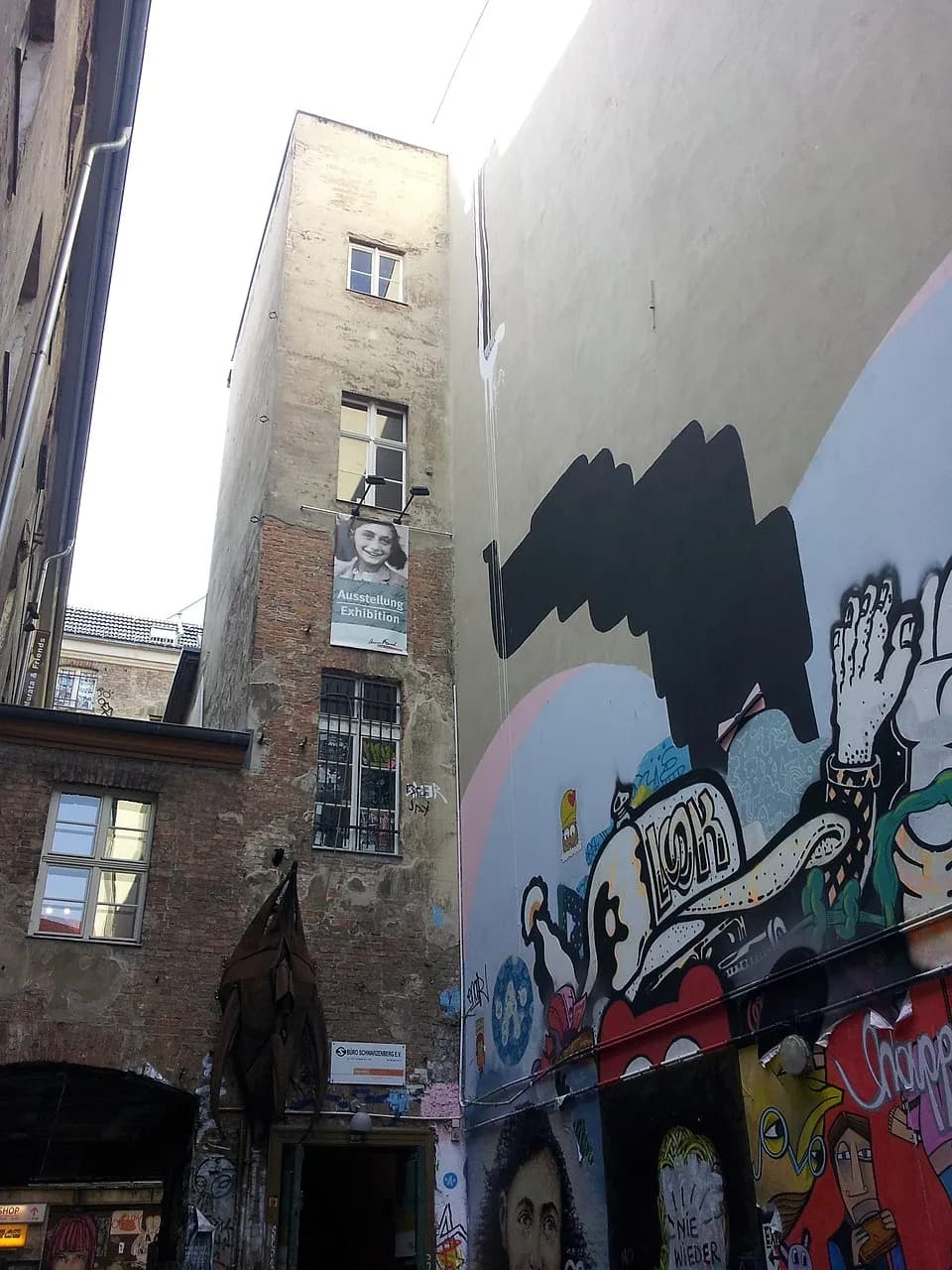 Gem · Audio guideAudio guideBerlin: Anne Frank Center© SPKrautkrämerLightUp OriginalsEnglish · 8 min audio
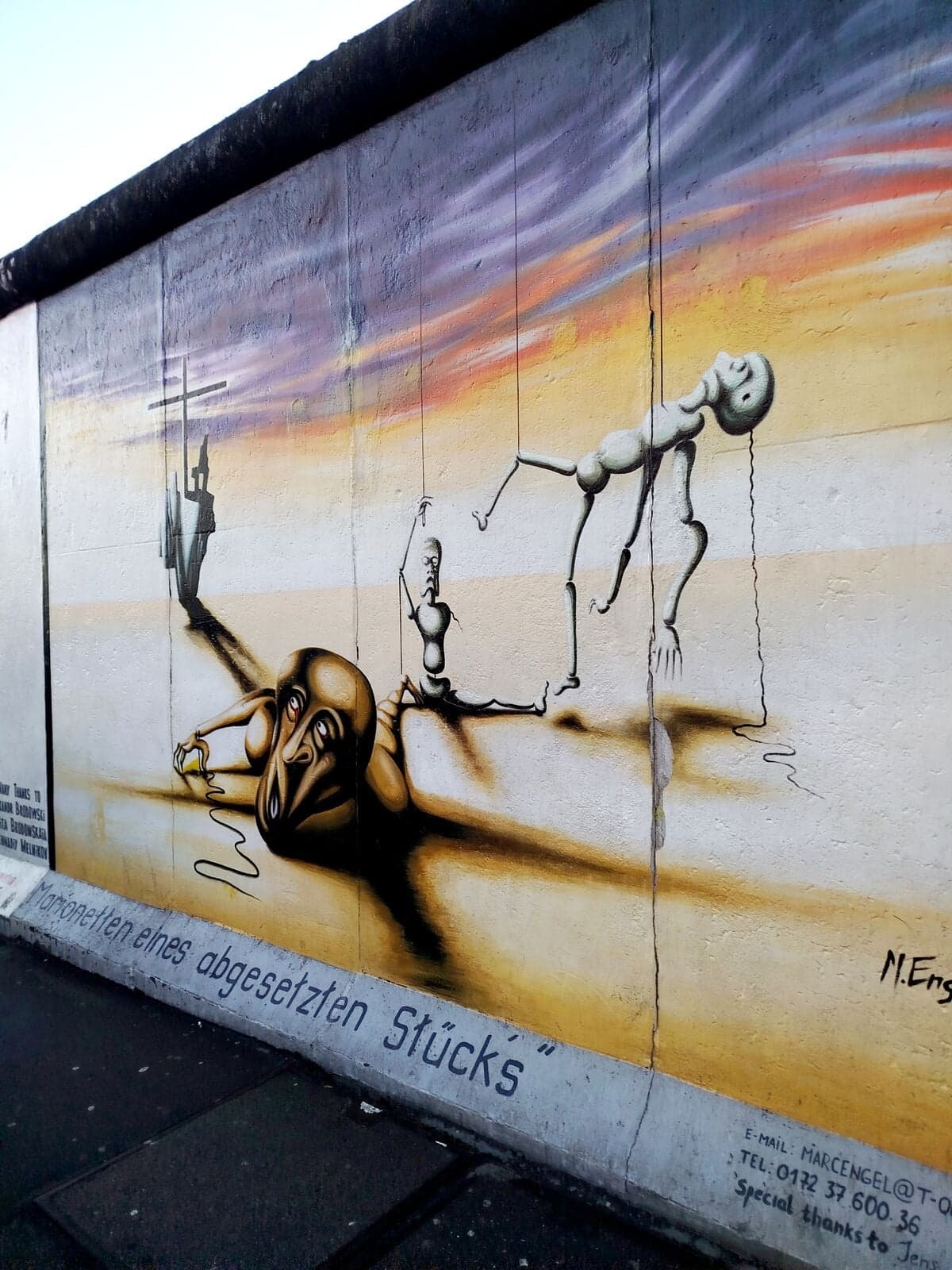 Gem · Audio guideAudio guideBerlin: Puppets of a Cancelled Play© dravvtLightUp OriginalsEnglish · 4 min audio
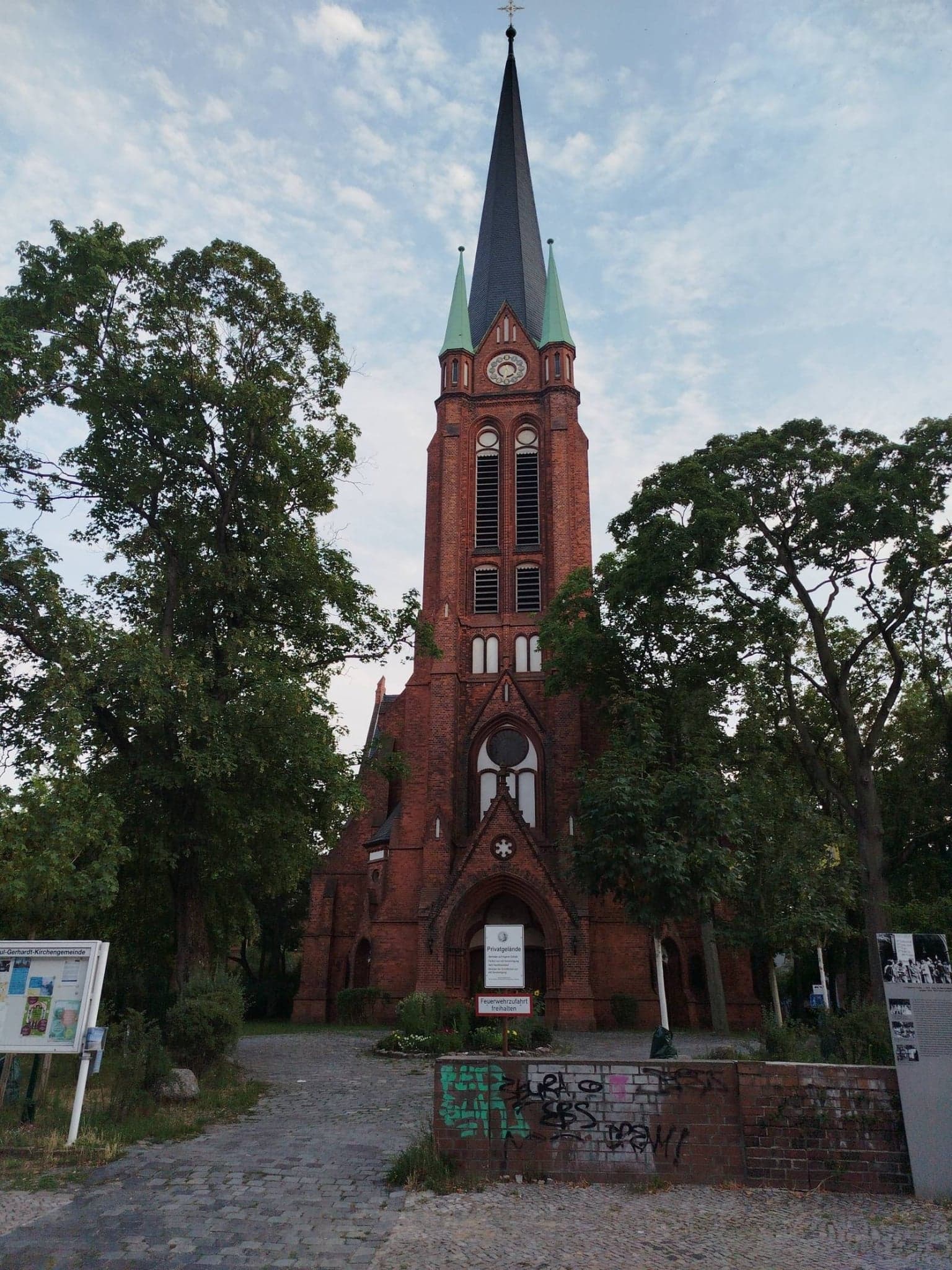 Gem · Audio guideAudio guideBerlin: Church of the Redeemer (Erlöserkirche)© dravvtLightUp OriginalsEnglish · 5 min audio
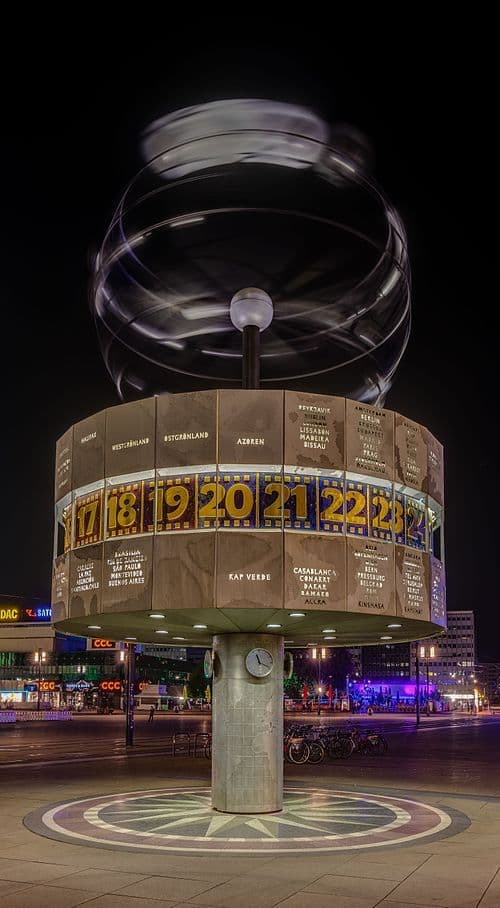 Gem · Audio guideAudio guideBerlin: World Time Clock (Weltzeituhr)© Diego DelsoLightUp OriginalsEnglish · 5 min audio

Reviews
No reviews yet. Be the first.