
Church of the Redeemer (Erlöserkirche)
 dravvt
Erlöserkirche: Red-Brick Church in Rummelsburg – Audio guide
 LightUp Originals
I’ll tell you the secrets of Church of the Redeemer (Erlöserkirche). I guide you here with the map, or you can listen from home. What you see is not what you think, and knowing it is worth it. Some narrations are AI voices and others are real people.
Audio in:EnglishSpanishGermanFrenchItalianPortugueseChinese
How it works
- Go there
the app walks you there from wherever you are. - Listen there or from home
it plays by itself when you arrive, or press play from wherever you are. In your language if it was recorded in it. - Keep discovering
the Berlin map has more gems like this one, and you can put them together in a tour.
What you'll discover
In Rummelsburg, among trees and cobblestones, a red brick tower rises with its black spire and green turrets. The Erlöserkirche. And behind it lies a story of empresses, war, and resistance.
On May fourth, eighteen ninety, Empress Auguste Viktoria laid the first stone of this church. It was the first of the sixty she would commission to build.
Rummelsburg was a working-class neighborhood, eleven thousand inhabitants. The empress wanted to bring imperial power to the humblest corner of Berlin.
Architects Hase and Spitta designed it in neo-Gothic style. Brick by brick, they erected it between eighteen ninety and eighteen ninety-two.
In February nineteen forty-five, a bombing destroyed the original altar windows. The congregation survived and rebuilt.
During East Germany, the regime watched over it. In the eighties, the church became a refuge for the pacifist movement, always on the brink of illegality.
From the empire to reunification, this tower stood firm. Listen to the full guide and I'll take you to explore every corner of its history.
About Church of the Redeemer (Erlöserkirche)
Before this church existed, two smaller churches occupied this site. They were modest, neighborhood churches. But Berlin was growing, and so was Rummelsburg. In eighteen eighty-nine, Boxhagen-Rummelsburg became an independent municipality. It had eleven thousand inhabitants, mostly workers. On May fourth, eighteen ninety, the Erlöser-Gemeinde, the evangelical parish of the Savior, was founded. On that same day, Empress Auguste Viktoria laid the first stone. They called her Kirchenjuste, because she consecrated churches everywhere. This gesture linked the working-class neighborhood to imperial power. Architects Conrad Wilhelm Hase and Max Spitta designed a large neo-Gothic building. Rummelsburg needed a church that could accommodate an expanding congregation. Between eighteen ninety and eighteen ninety-two, they built the Erlöserkirche. Brick by brick, in the middle of the densest working-class district in eastern Berlin. This neo-Gothic red brick tower, with its dark spire and green turrets, was consecrated on October twenty-first, eighteen ninety-two. It was the vertical symbol of the neighborhood. In eighteen ninety-two, the first organ was installed in the second gallery. Music filled the naves every Sunday. For decades, the Erlöserkirche was the religious heart of Rummelsburg. Baptisms, weddings, funerals. The life of the neighborhood passed through these naves. The Nazi regime came to power in nineteen thirty-three. The evangelical churches were divided between those who supported the regime and those who resisted. In nineteen forty, the organ company Alexander Schuke from Potsdam began building a new organ. But the war interrupted everything. On February twenty-sixth, nineteen forty-five, a bombing over Berlin-Rummelsburg destroyed the original altar windows. The first organ was also destroyed. When the war ended, Berlin was a field of rubble. But the congregation was still alive. Reconstruction was necessary. Between nineteen forty-seven and nineteen forty-eight, the choir received new windows. They were made by the Müller company from Quedlinburg. After the war, the Schuke organ that had been started in nineteen forty was finally installed. It still plays today. This neo-Gothic brick portal, with its stepped pointed arch and geometric decoration, is the entrance designed by Hase and Spitta. It survived the war intact. In nineteen forty-nine, Germany was divided. The Erlöserkirche was in the German Democratic Republic, the eastern side. The socialist regime was distrustful of churches. Religion was seen as a remnant of the past, incompatible with dialectical materialism. But the congregation resisted. For forty years, the Erlöserkirche continued to hold services, baptisms, confirmations. Quietly, but without stopping. In nineteen eighty-nine, the Wall fell. Berlin was reunified. The Erlöserkirche was no longer watched by a regime that distrusted it. These green towers flank the black spire. The clock still marks the time. The cross remains high, just as it did in eighteen ninety-two. Today, the Erlöserkirche and its rectory are protected as a monument. The building is a witness to three eras: empire, socialism, reunification. From the street, the tower rises among the trees, just as it did over a hundred years ago. The neighborhood has changed, but the church remains the vertical landmark. Every Sunday, the Schuke organ resonates in the naves. The story hasn't ended: it continues to be written on these brick walls.
Visiting Church of the Redeemer (Erlöserkirche)
- How to get there
- The closest stops are S Rummelsburg (bus) at 137 meters, Rummelsburg (metro/train) at 139 meters, and S Rummelsburg (tram) at 235 meters.
- Opening hours
- Wednesday 16:00-19:00
Frequently asked questions
What architectural styles are present in the Erlöserkirche?
The Erlöserkirche is designed in a neo-Gothic style, featuring a red brick tower with a dark spire and green turrets. The entrance has a pointed arch and geometric decoration.
What historical events affected the Erlöserkirche?
During World War II, a bombing in 1945 destroyed the original altar windows and the first organ. Post-war, the church was in East Germany, where it continued to function despite the socialist regime's distrust of religion.
What significant features should I look for inside the church?
Inside, you can find the Schuke organ, installed after the war, and new choir windows made by Müller of Quedlinburg. The organ continues to play every Sunday.
What is nearby the Erlöserkirche?
Nearby is the Sowjetisches Kriegsdenkmal, a Soviet war memorial, located just 44 meters away.
What role did the Erlöserkirche play in the community?
The Erlöserkirche has been a religious heart of Rummelsburg, hosting baptisms, weddings, and funerals. It served as a symbol of resistance during the Nazi regime and continued to hold services throughout the socialist era.
More audio guides in Berlin
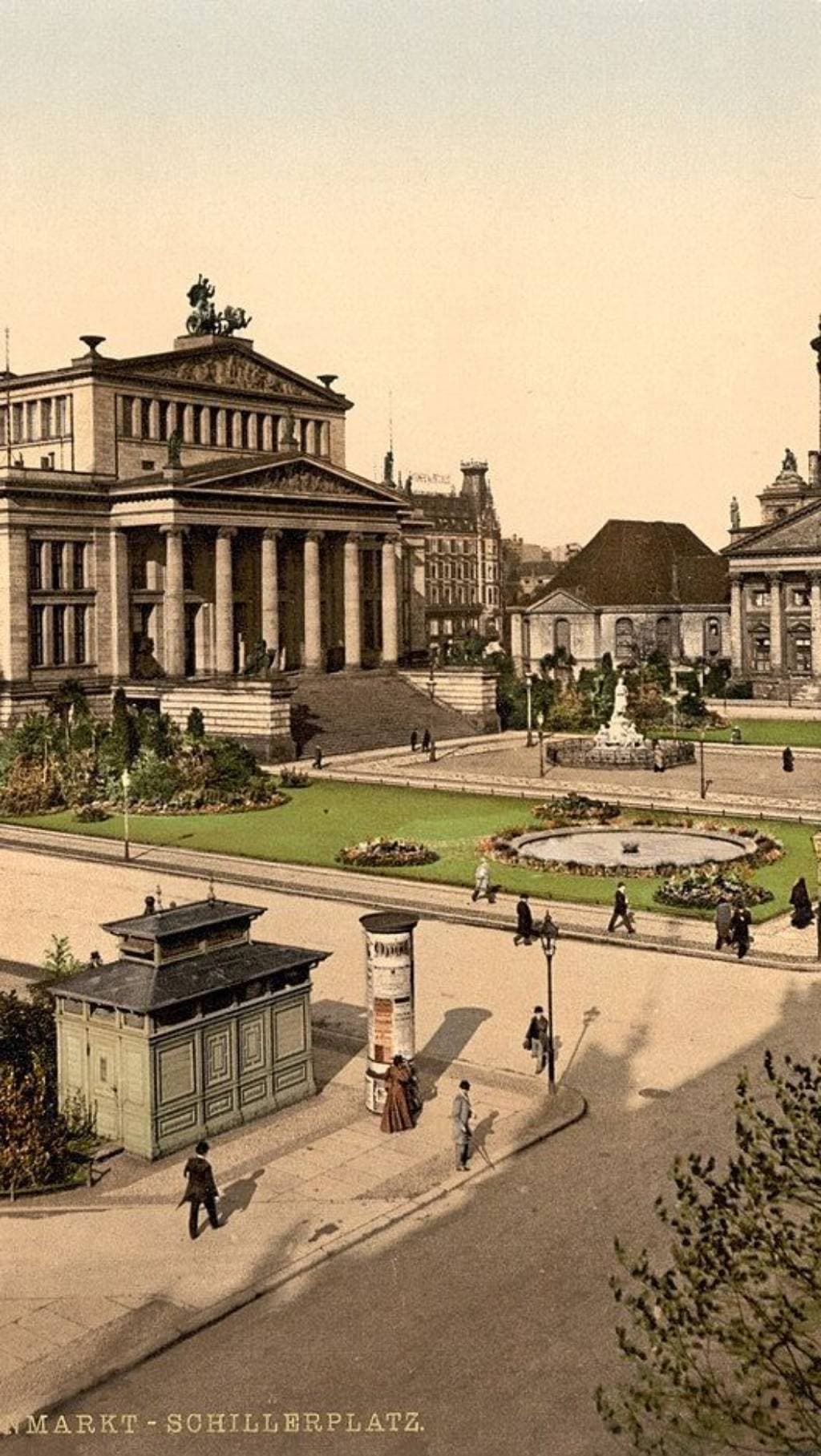 Gem · Audio guideAudio guideBerlin: GendarmenmarktLightUp OriginalsEnglish · 8 min audio
 Gem · Audio guideAudio guideBerlin: Hackesche Höfe (Hackesche Courtyards)© SchlaierLightUp OriginalsEnglish · 5 min audio
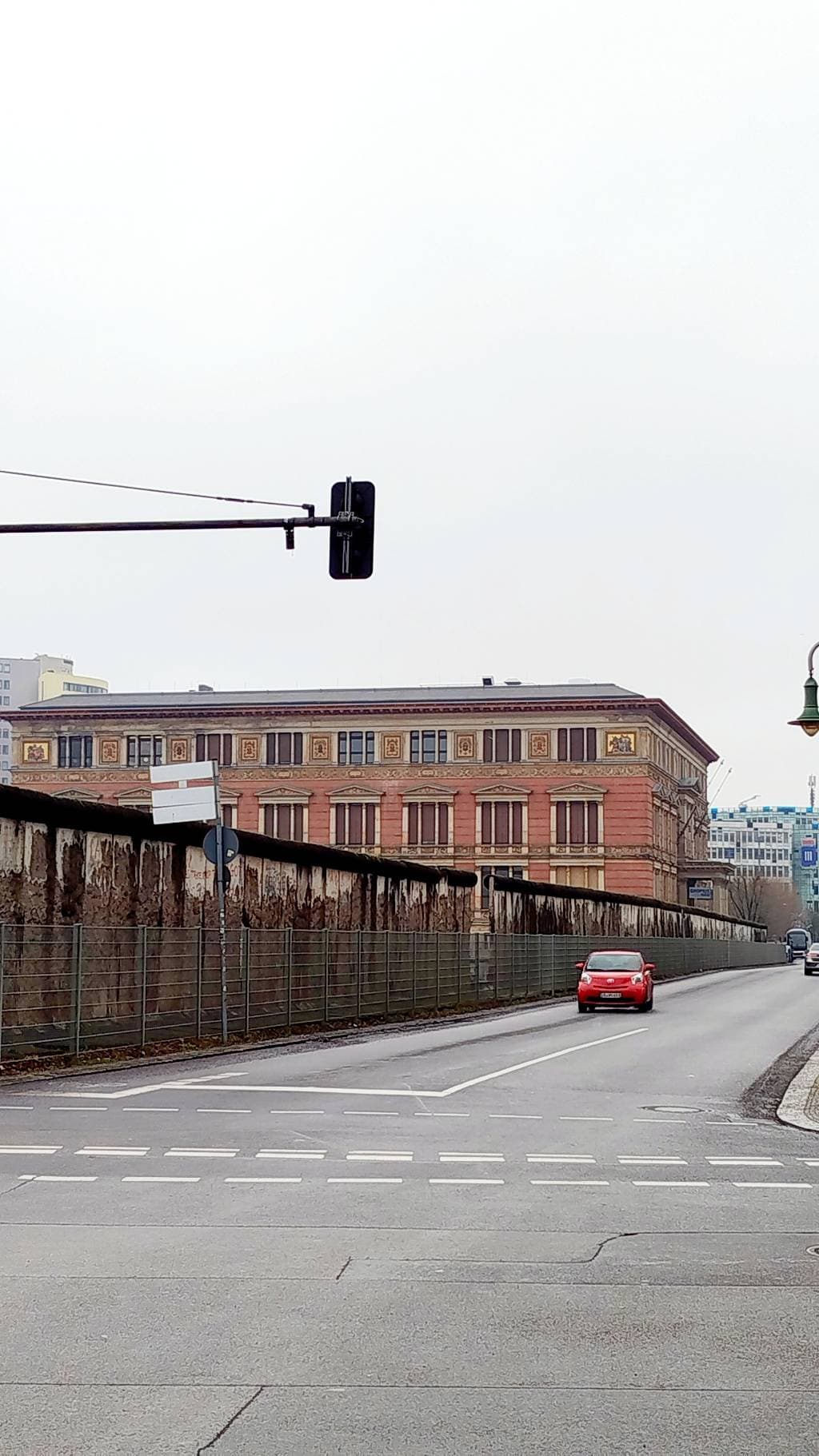 Gem · Audio guideAudio guideBerlin: Gropius Bau© DravvtLightUp OriginalsEnglish · 5 min audio
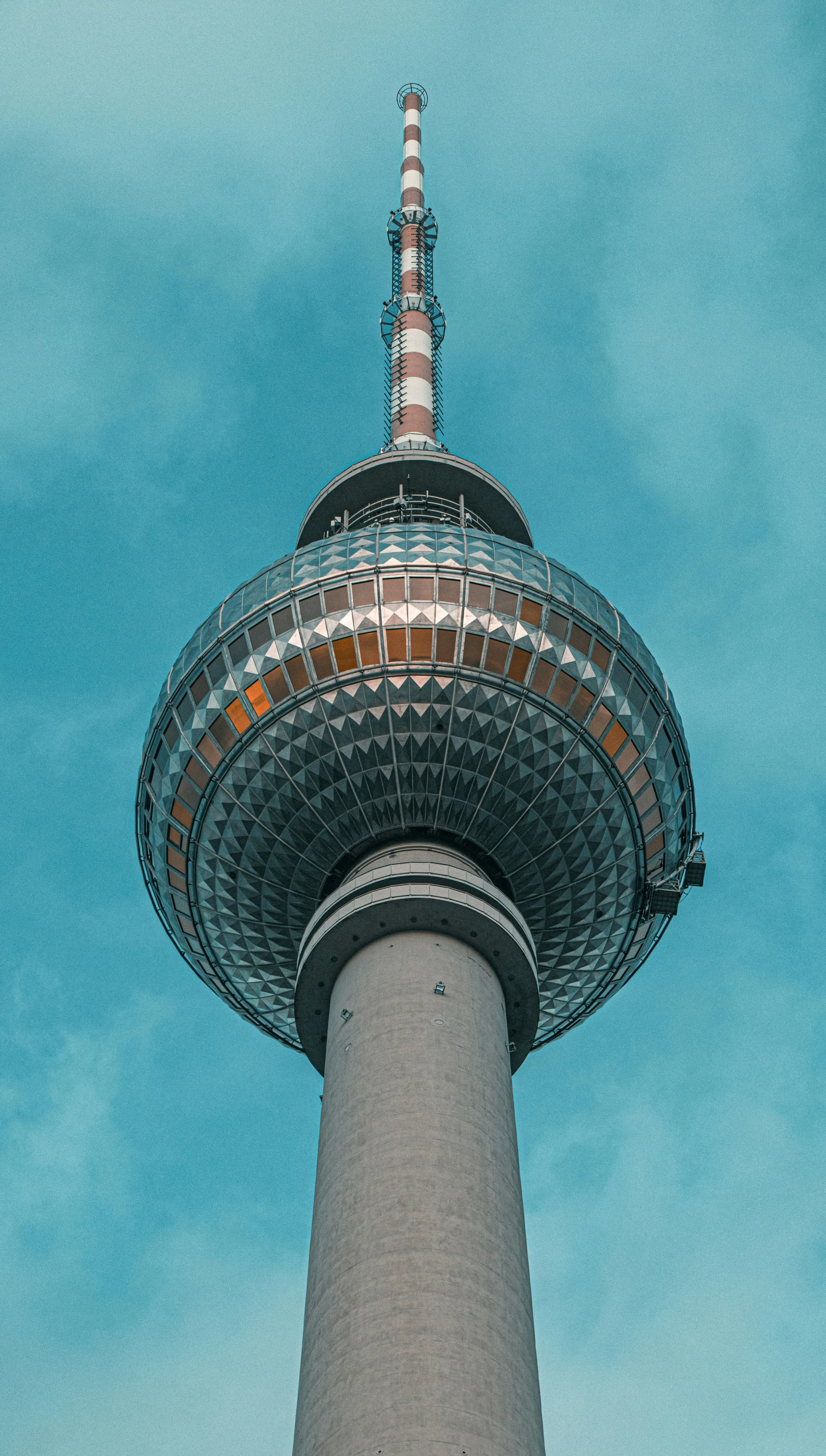 Gem · Audio guideAudio guideBerlin: TV Tower (Fernsehturm)LightUp OriginalsEnglish · 4 min audio

Reviews
No reviews yet. Be the first.