
Arco de Cuchilleros (Cutlers' Arch)
 dravvt
Arco de Cuchilleros, Next to Botín, Madrid – Audio guide
 LightUp Originals
I’ll tell you the secrets of Arco de Cuchilleros (Cutlers' Arch). I guide you here with the map, or you can listen from home. What you see is not what you think, and knowing it is worth it. Some narrations are AI voices and others are real people.
Audio in:EnglishSpanishGermanFrenchItalianPortugueseChinese
How it works
- Go there
the app walks you there from wherever you are. - Listen there or from home
it plays by itself when you arrive, or press play from wherever you are. In your language if it was recorded in it. - Keep discovering
the Madrid map has more gems like this one, and you can put them together in a tour.
What you'll discover
At the southwest corner of the Plaza Mayor, a stone arch rises like a tower, bridging the gap between two worlds.
In sixteen seventeen, Juan Gómez de Mora designed the stone staircase and the arch to connect the square with Cuchilleros Street.
Below, the knife makers and swordsmiths worked. It was said that no one could match them in all of Europe.
In seventeen ninety, a fire devastated the Plaza Mayor. Juan de Villanueva redesigned the arch and enclosed the square with arcades on all its sides.
In May of eighteen hundred eight, a friar named Antonio climbed the iron pulpit
and shouted to the people to rebel against Napoleon.
The arch remains one of the ten entrances to the Plaza Mayor. These stairs rise from the level of the knife makers to the Plaza de los Austrias.
Listen to the full guide and I'll tell you everything, from the sixteenth-century guild to the caves of the bandit Luis Candelas.
About Arco de Cuchilleros (Cutlers' Arch)
In the heart of Madrid, there is an arch that spans four centuries of history. From above, it seems just a passage under the Plaza Mayor. From below, it is a stone tower that bears the weight of an empire. In sixteen seventeen, the architect Juan Gómez de Mora faced a problem: the Plaza Mayor floated several meters above the streets below. He designed a stone staircase and a monumental arch to bridge the gap. It was not a bridge, it was almost a habitable tower connecting two worlds. Below, on Cuchilleros Street, worked the guild of knife makers and swordsmiths. They gave their name to the arch and the street. The knife makers of Madrid were famous throughout Europe. It was said that no one in the trade could match them. People traveled from afar to learn the secret of their superior blades. In seventeen ninety, a fire devastated much of the Plaza Mayor. The flames devoured balconies, facades, entire roofs. These arcades you see now are the work of Juan de Villanueva. After the fire, he completely redesigned the square and enclosed it with porticos on all sides, including the arch. Villanueva not only repaired. He transformed the arch into its current neoclassical form, controlling every access to the square with precise and severe architecture. Eighteen years later, in May of eighteen eight, Napoleon's troops occupied Madrid. The city seethed with contained rage. This iron railing at the top of the arch was called 'the pulpit'. From there, a friar from the convent of San Gil, named Antonio, climbed to shout. He called the people of Madrid to resist Napoleon's troops and to rebel against Joseph Bonaparte. It was in the days leading up to the uprising of May second. That day is now celebrated as a holiday in the province of Madrid. It all began with a shout from an iron railing. Decades later, the arch became a refuge for another type of rebel. Luis Candelas, the most famous bandit of Madrid, used the caves under the Plaza Mayor. He met with his gang, planned robberies, and hid the loot in tunnels that snaked under the foundations of the arch. This semicircular arch you see here is the passage that connected the high square with the low streets. The stones are worn by centuries of footsteps, carts, escapes. Today, the arch is one of the ten entrances to the Plaza Mayor. It is located at the southwest corner, still bridging the gap between two worlds. The Caves of Luis Candelas are now one of the most famous restaurants in the capital. What was a bandit's hideout is now a table with white tablecloths. Around the arch, taverns, craft shops, and flamenco venues fill the narrow streets that once smelled of molten metal. The arch remains unusually tall. It is not decorative design, it is pure physics: the vertical distance between the Plaza Mayor and the old Cava de San Miguel. These stone stairs are what Gómez de Mora envisioned in sixteen seventeen. They rise from the level of the knife makers to the Plaza de los Austrias. Each step connects an era. The guilds of the sixteenth century, the fire of the eighteenth, the revolt of the nineteenth, the tourism of the twenty-first. If you pass under the arch at night, the sound changes. The footsteps resonate differently in the stone vault. Like an echo that never quite fades away. Villanueva turned the Plaza Mayor into a fortress of controlled accesses. But the arch was always a crack in that wall, a passage between classes, between heights, between times. Today tourists, waiters, musicians, delivery people cross. Like the knife makers of the sixteenth century, they all come to work the craft of the day, under the same stone arch.
Visiting Arco de Cuchilleros (Cutlers' Arch)
- How to get there
- The closest bus stop is Plaza Mayor, 115 meters away.
Frequently asked questions
What is the historical significance of the Arco de Cuchilleros?
The Arco de Cuchilleros was designed by architect Juan Gómez de Mora in 1617 to connect the elevated Plaza Mayor with the lower streets. It has witnessed significant events, including the 1790 fire and the 1808 uprising against Napoleon's troops.
What can I see around the Arco de Cuchilleros?
Nearby, you can explore the Casa de la Carnicería, Hostal La Macarena, and the famous restaurant Las Cuevas de Luis Candelas, which was once a hideout for the bandit Luis Candelas.
Why is the Arco de Cuchilleros unusually high?
The height of the Arco de Cuchilleros is due to the vertical distance it bridges between the Plaza Mayor and the old Cava de San Miguel, designed to accommodate the elevation difference.
What role did the Arco de Cuchilleros play in the 1808 uprising?
A friar named Antonio used the iron railing atop the arch, known as 'el púlpito', to call the people of Madrid to resist Napoleon's troops, leading to the uprising celebrated on May 2nd.
What is the architectural style of the Arco de Cuchilleros?
After the 1790 fire, architect Juan de Villanueva redesigned the arch in a neoclassical style, integrating it into the fortified access points of the Plaza Mayor.
More audio guides in Madrid
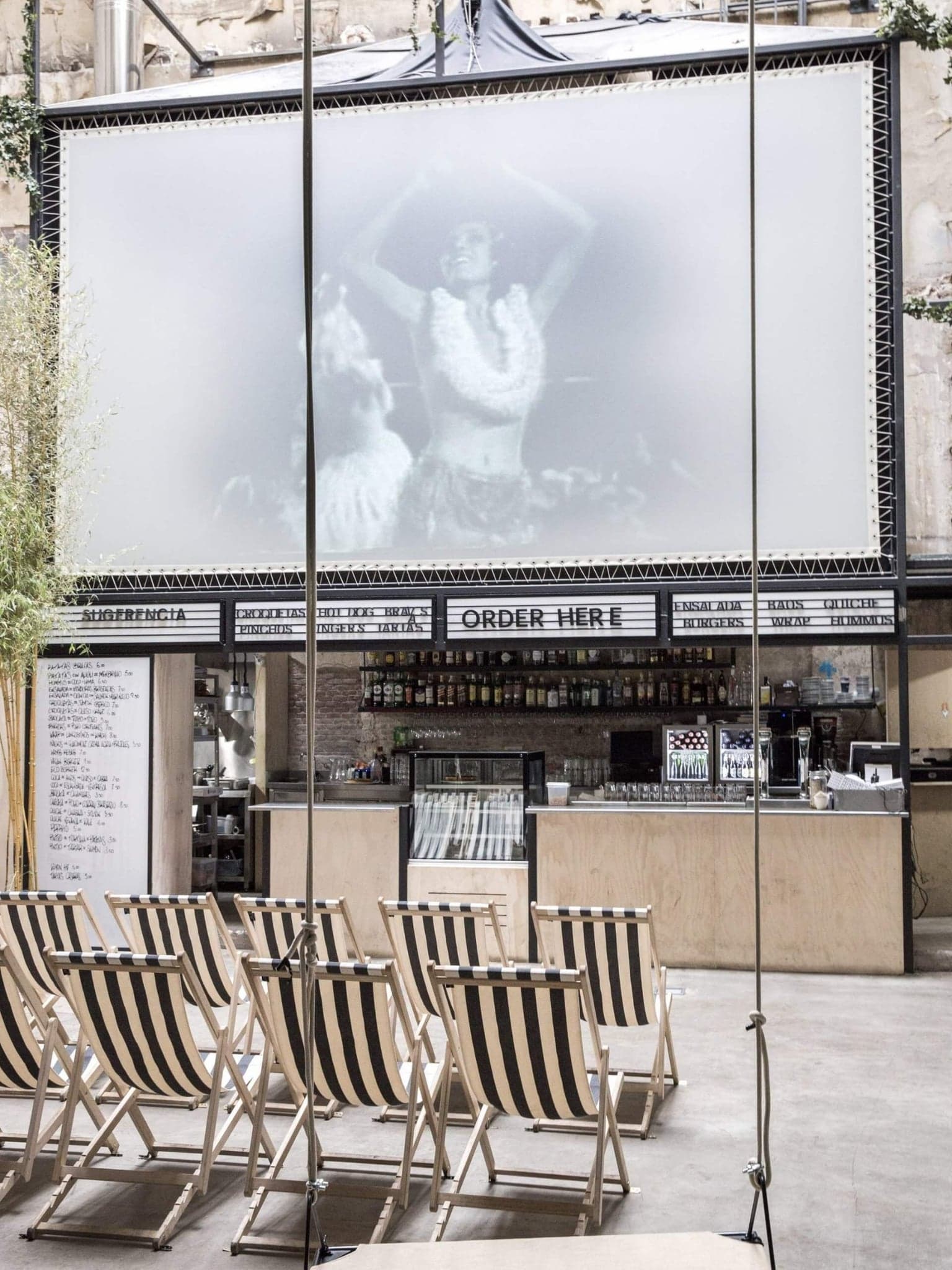 Gem · Audio guideAudio guideMadrid: Sala Equis© dravvtLightUp OriginalsEnglish · 4 min audio
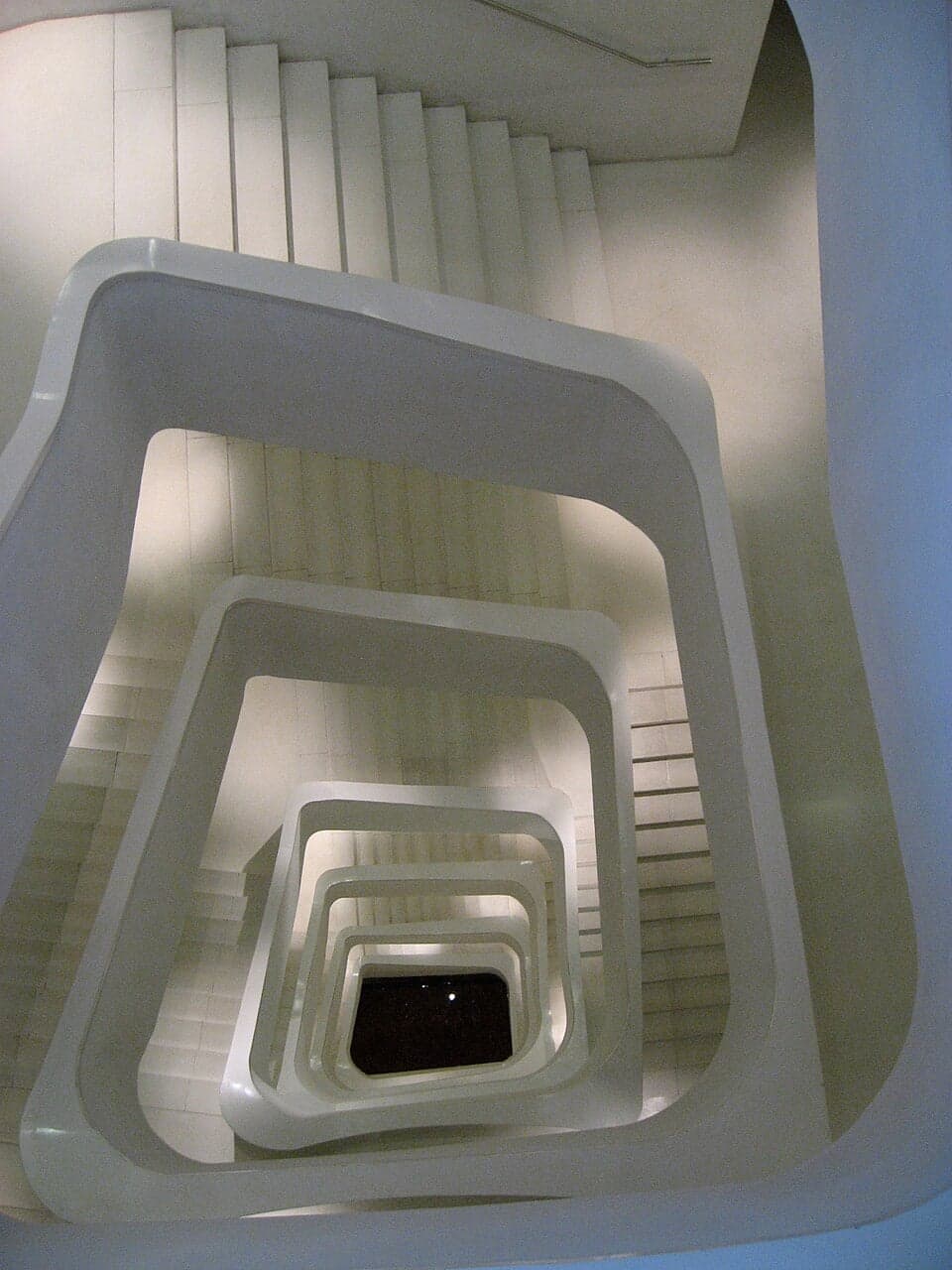 Gem · Audio guideAudio guideCaixaForum MadridLightUp OriginalsEnglish · 3 min audio
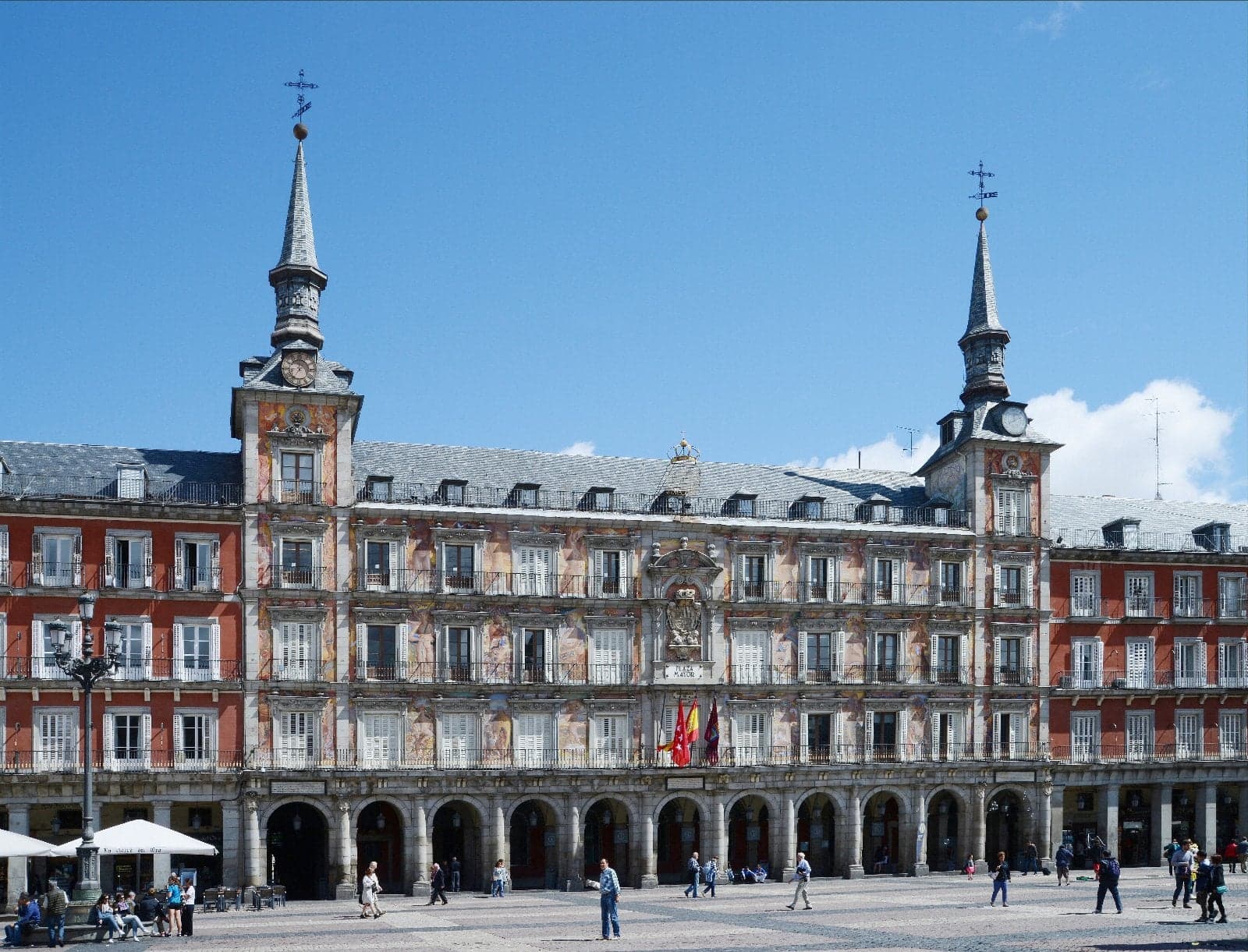 Gem · Audio guideAudio guideMadrid: Casa de la Panadería (Bakery House)© dravvtLightUp OriginalsEnglish · 5 min audio€0.99
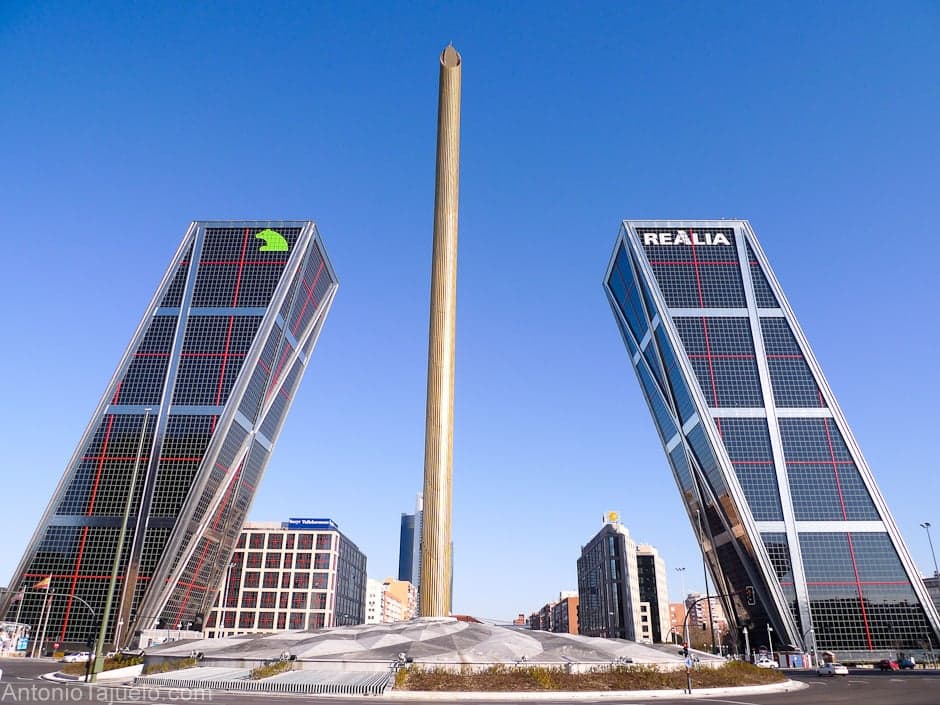 Gem · Audio guideAudio guideMadrid: KIO Towers (Gate of Europe)© Antonio Tajuelo from España 2LightUp OriginalsEnglish · 6 min audio

Reviews
No reviews yet. Be the first.