
Brandenburg Gate
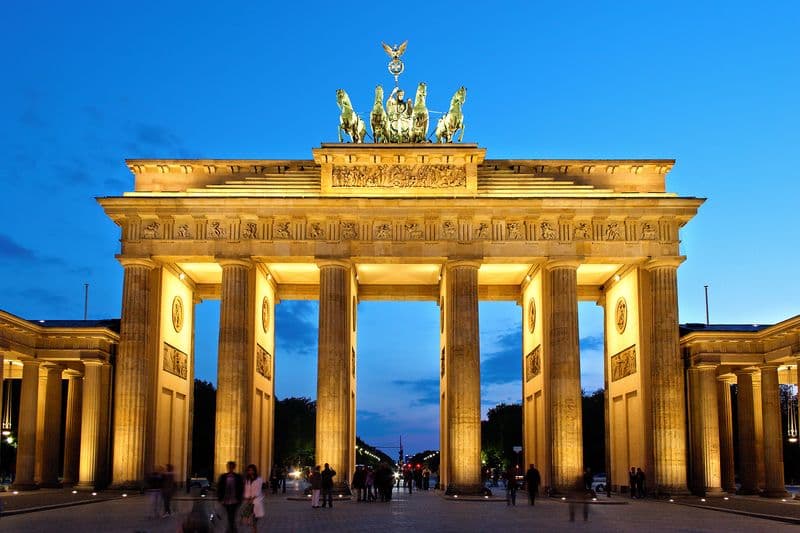 Por Thomas Wolf, www.foto-tw.de, CC BY-SA 3.0
Scan it with your phone
Point your camera at the QR code
Brandenburg Gate: the Quadriga Napoleon Took – Audio guide

I’ll tell you the secrets of Brandenburg Gate. I guide you here with the map, or you can listen from home. What you see is not what you think, and knowing it is worth it. Some narrations are AI voices and others are real people.
Free6 min AI voiceHistory
Audio in:EnglishSpanishGermanFrenchItalianPortugueseChinese
How it works
- Go there
the app walks you there from wherever you are. - Listen there or from home
it plays by itself when you arrive, or press play from wherever you are. In your language if it was recorded in it. - Keep discovering
the Berlin map has more gems like this one, and you can put them together in a tour.
What you'll discover
Napoleon took the sculpture from the top as a trophy to Paris. When it was returned, a detail was changed. No one protested.
This gate was in no man's land for almost three decades. Neither the east nor the west could touch it. It became a ghost.
The Brandenburg Gate has more twists than a novel. Stand in front of it with me and I'll tell you each one.
About Brandenburg Gate
Stop walking for a moment. Turn around if necessary, step back until the entire gate fits in your view. There are details in this stone that can't be seen up close. The Brandenburg Gate was built between 1789 and 1793 by order of the Prussian King Frederick William II, according to the design of architect Carl Gotthard Langhans.
Read the whole storyShow less
It is twenty-six meters high and sixty-five meters wide. The model Langhans had in mind was the Propylaea of Athens, the monumental entrance to the Acropolis. The idea was not to build a Roman triumphal arch but something more Greek, more sober: a gate that did not celebrate victories but simply announced a city.
There are five passages that go through the gate. The central one, the widest, was reserved exclusively for the royal family. No one else could use it. Ordinary Berliners passed through the sides. That hierarchy is engraved in the architecture even if you don't see it today. Now look at the reliefs.
They are in two different places and tell different stories. The ones you see on the walls between the columns, along the long sides of the gate, are thirty-two metopes—sculpted relief panels that in classical Greek architecture decorated the space between the roof beams. They represent the battle between the centaurs and the Lapiths, a scene from Greek mythology that comes directly from the Parthenon of Athens: Langhans was inspired by the southern frieze of the Parthenon to design them.
Since antiquity, that battle was interpreted as an allegory: civilization resisting and overcoming barbarism. On the Brandenburg Gate, those reliefs had a clear political reading: they represented the wars of the House of Brandenburg against its enemies. Barbarism against civilization. Prussia as civilization.
The other relief is on the attic, the upper part of the structure, on the side facing east, towards the city. It is a single large scene: the Triumph of Peace. The goddess Eirene, peace, on a triumphal chariot. Around her, allegories of friendship, unity, music, painting. And on one side, recognizable by the club he carries, Hercules driving away envy and discord. If you have binoculars or a good camera, it's worth getting closer. Above all that is the Quadriga. Four bronze horses pulling a chariot driven by a winged figure.
The sculpture was designed by Johann Gottfried Schadow and completed in 1793. The original figure was the goddess of peace. That lasted thirteen years. In October 1806, after defeating Prussia in the Battle of Jena-Auerstedt, Napoleon entered Berlin and paraded through the Brandenburg Gate. Shortly after, he ordered the Quadriga to be dismantled and sent to Paris. It traveled in twelve crates and arrived in the French capital in May 1807. Napoleon apparently forgot it in a warehouse. It remained there until 1814, when Prussian troops under Marshal Blücher occupied Paris after Napoleon's defeat and found the sculpture still packed.
They returned it to Berlin. But it did not return the same. Architect Karl Friedrich Schinkel redesigned the figure: the goddess of peace was definitively transformed into Victoria, the goddess of victory. He added the Prussian eagle and an Iron Cross on the spear, with a crown of oak leaves. In August 1814, King Frederick William III rode through the gate on horseback at the head of his victorious troops with the Quadriga once again on top. In that very square where you are now, Pariser Platz, there were for centuries the most representative buildings of the city.
The square was almost completely destroyed in World War II. Allied bombings and the final battle of 1945 left only rubble. For decades it remained in ruins, divided by the Berlin Wall. Because the Brandenburg Gate was caught exactly in the death strip.
It was in the Soviet sector, but the Wall ran just behind it. No one could approach from the west. No one could approach from the east. Berlin's most famous gate was closed for twenty-eight years. On June 12, 1987, U.S. President Ronald Reagan gave a speech in front of the gate from the western side.
The words that are remembered are these: Mr. Gorbachev, tear down this wall. The wall fell on November 9, 1989. On November 22, thirteen days later, the Brandenburg Gate was opened for the first time in almost three decades.
>>Pariser Platz was rebuilt in the 1990s following the original 18th-century plans, but the buildings that surround it today are modern. On the right is the Hotel Adlon, rebuilt in 1997 on the site of the original 1907 hotel, where figures like Charlie Chaplin, Enrico Caruso, or Tsar Nicholas II stayed.
To the left, the French embassy. Further back, the DZ Bank building designed by Frank Gehry: from the outside it is deliberately discreet so as not to compete with the gate, but inside it hides an atrium with a sculptural structure of steel and glass that looks like a sea creature. The gate in front of you survived Napoleon, two world wars, the Wall, and the division of a city. Two and a half centuries later, it remains exactly what it was: the entrance to Berlin.
Visiting Brandenburg Gate
- Entry and Price
- Free entry
- Opening Hours
- Always open
Frequently asked questions
What historical events are associated with the Brandenburg Gate?
The Brandenburg Gate has witnessed significant historical events, including Napoleon's entry into Berlin in 1806, the division of Berlin by the Berlin Wall, and its reopening in 1989 after the fall of the wall.
What is the significance of the Quadriga on top of the gate?
The Quadriga, designed by Johann Gottfried Schadow, was originally a symbol of peace. After being taken to Paris by Napoleon and later returned, it was redesigned to represent Victoria, the goddess of victory, with Prussian symbols added.
What can I see on the Brandenburg Gate itself?
The gate features 32 metopes depicting the battle between centaurs and Lapiths, inspired by the Parthenon. There is also a relief of the Triumph of Peace on the attic, showing the goddess Eirene and various allegorical figures.
What is the architectural style of the Brandenburg Gate?
The Brandenburg Gate is a neoclassical monument inspired by the Propylaea of Athens, designed by Carl Gotthard Langhans and constructed between 1789 and 1793.
What is located near the Brandenburg Gate?
Nearby, you can find the Hotel Adlon, the French Embassy, and the DZ Bank building designed by Frank Gehry, which features a unique atrium inside.
More audio guides in Berlin
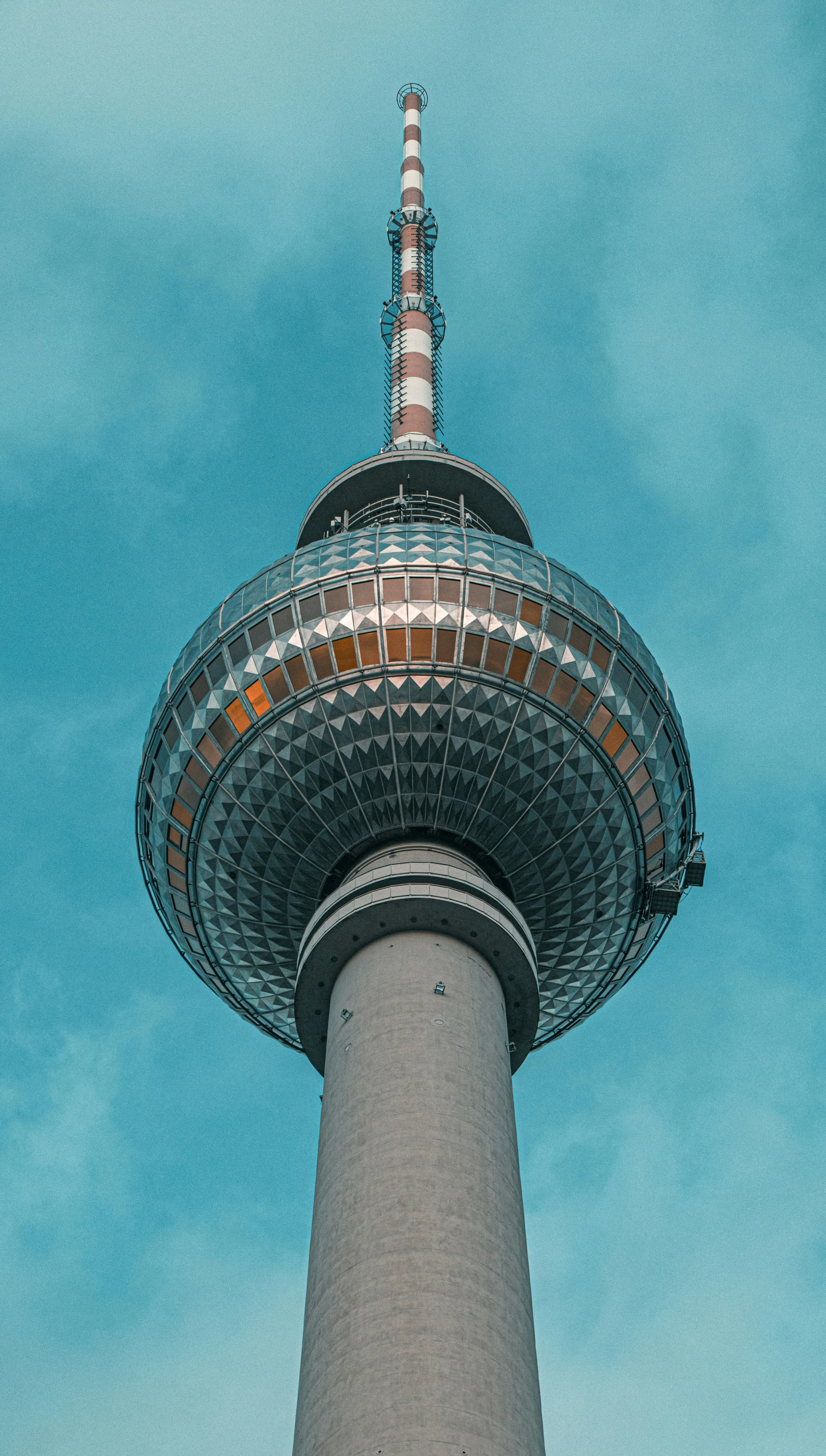 Gem · Audio guideBerlin: TV Tower (Fernsehturm)
 LightUp ToursEnglish · 4 min audioFree
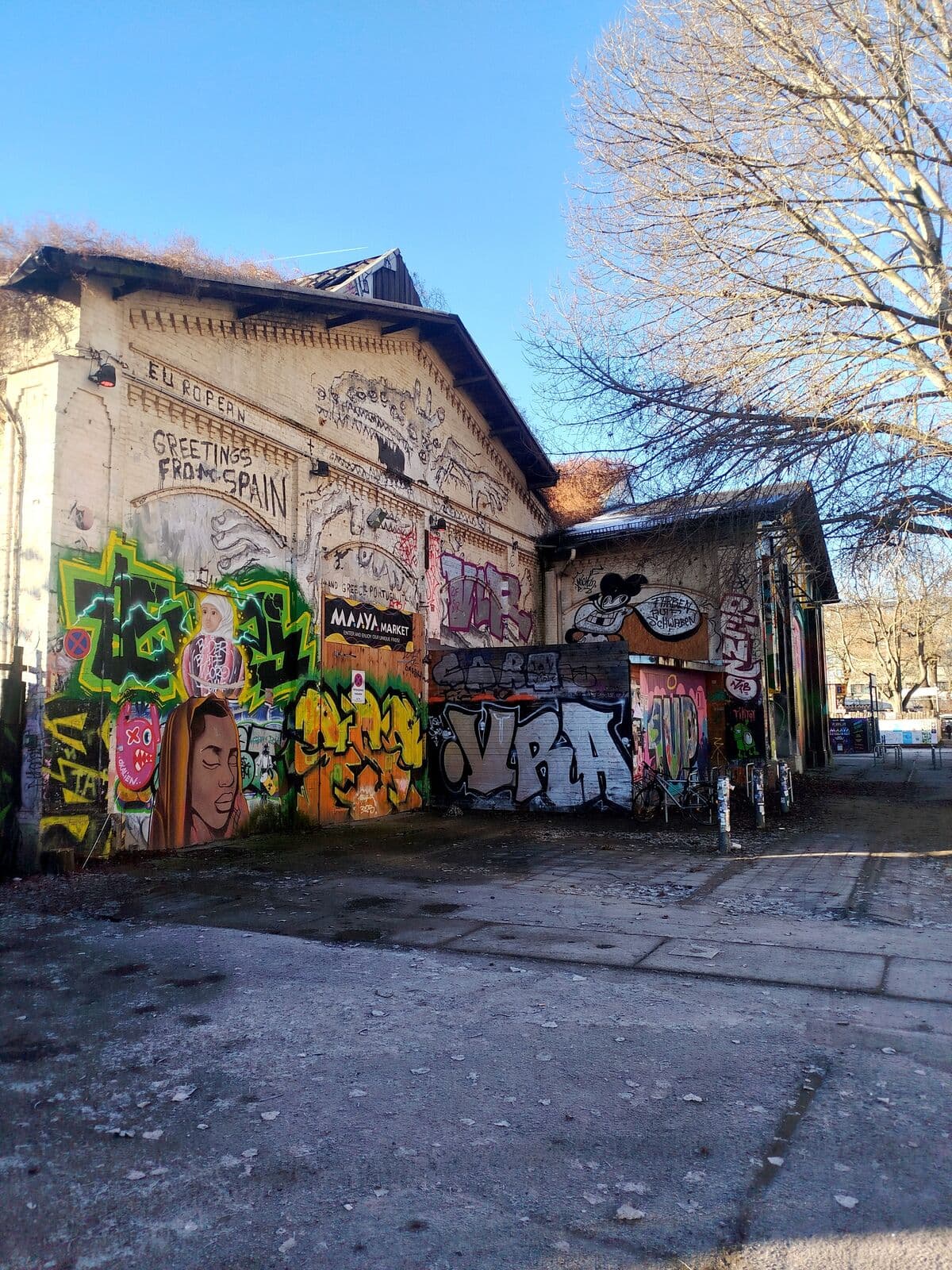 Gem · Audio guideBerlin: RAW-Gelände© DravvtLightUp ToursEnglish · 6 min audioFree
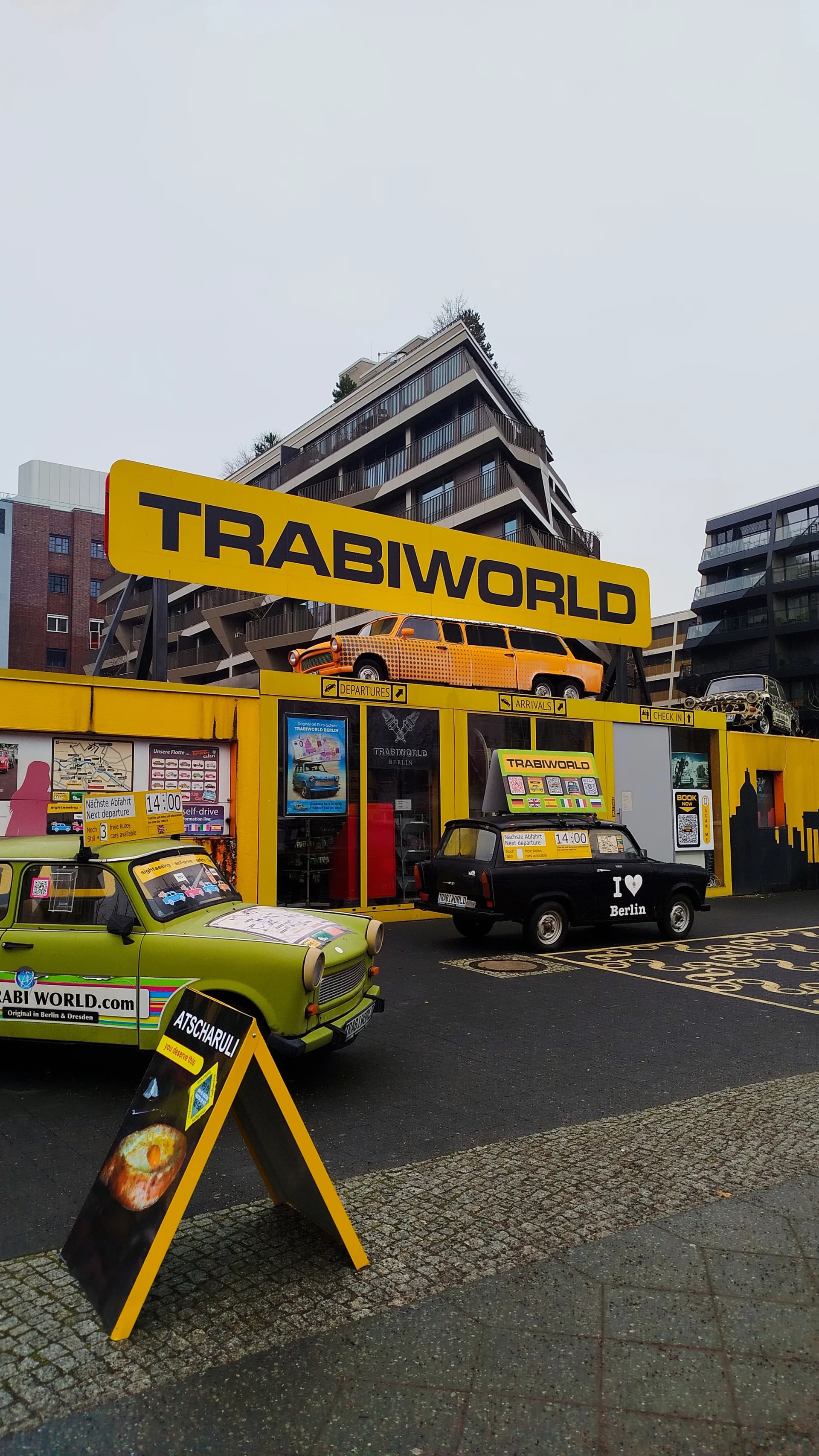 Gem · Audio guideBerlin: Trabiworld© Buch-tLightUp ToursEnglish · 5 min audio€0.99
 Gem · Audio guideBerlin: Gropius Bau© DravvtLightUp ToursEnglish · 5 min audioFree

Reviews
No reviews yet. Be the first.