
"Alte Nationalgalerie" Antigua Galeria Nacional · Audioguía
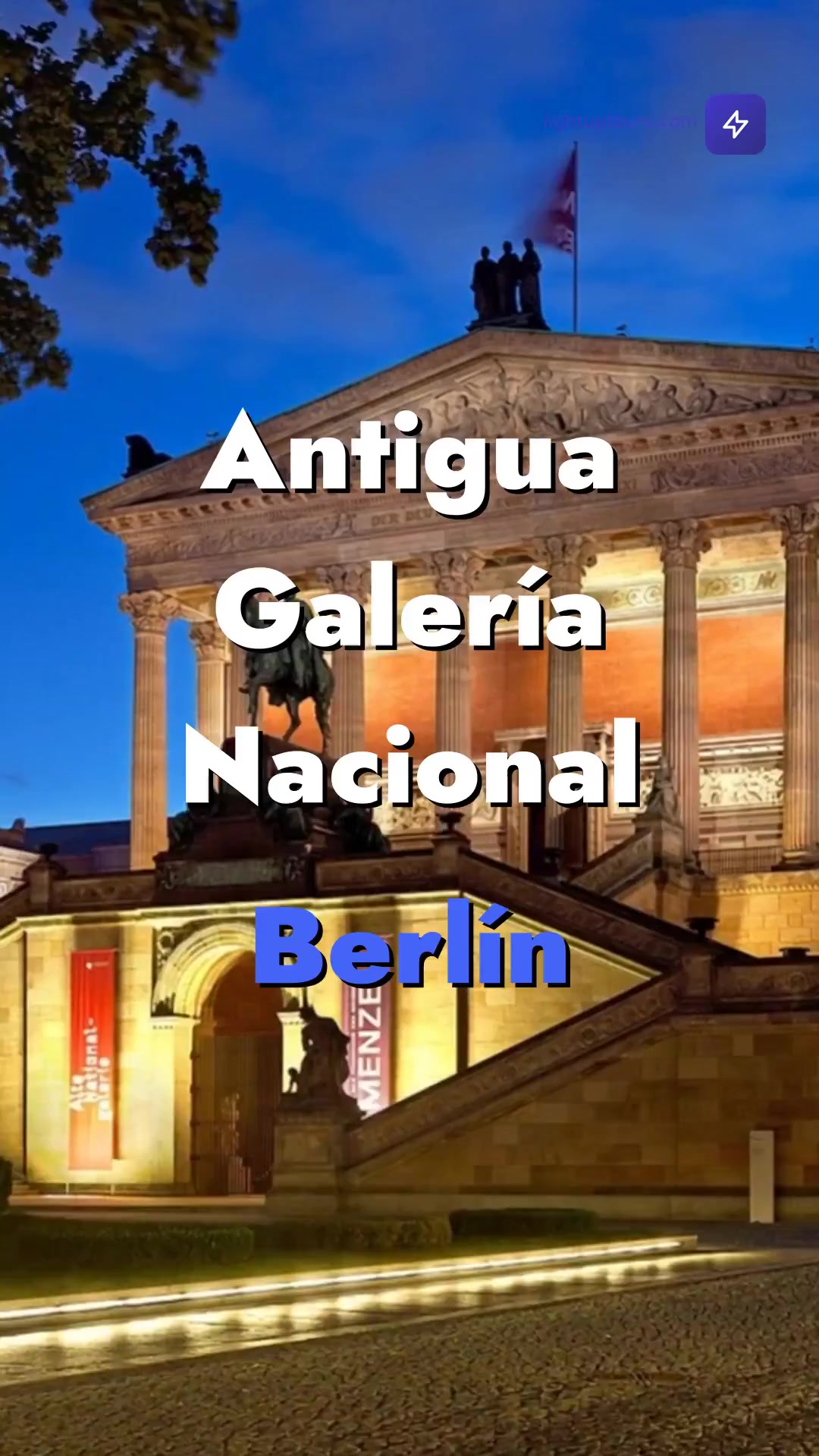
Escucha la historia de "Alte Nationalgalerie" Antigua Galeria Nacional
Descarga la app LightUp o escanea el QR con tu móvil. Escucharás este lugar narrado en tu idioma — 7 idiomas disponibles, voces de IA y humanas. Empieza gratis y recorre Berlin a tu ritmo.
Escanea con tu teléfono
Apunta tu cámara al código QR
Historia
This is the old National gallery in berlin a gallery that holds art the Nazis tried to burn. Paintings they called degenerate.
In nineteen thirty-seven the Nazis staged the Entartete Kunst exhibition. Degenerate Art. They put modern paintings on display to mock them.
Jewish painters.
Modernists.
Cubists.
They called it un-German. Unhealthy. And ordinary Berliners came to laugh at what the gallery had ones fought to preserve.
But decades before, in eighteen sixty-three Paris, Manet painted Olympia. A nude woman staring back at the viewer.
No mythological excuse. Just modern Paris. Just raw truth. The public was scandalized. Cafés. Dancers. Prostitutes. Nudes lounging beside clothed men. Everyday modern life. This is what the Nazis would later call degenerate.
On the other side, a Black servant offering flowers. Her name was Laure. In that time, this kind of reality—a Black woman painted as she was, not as exotic fantasy—was not common in painting. Manet showed her simply. A moment of honesty.
In nineteen thirty-seven they confiscated thousands of works from German museums. More than twenty thousand paintings seized. Some sold abroad. Others destroyed.
Then came the Allied bombs. Berlin was destroyed. The Alte Nationalgalerie was hit. Paintings were hidden underground. Some lost forever. Others buried near Alexanderplatz.
After the war the gallery was rebuilt. Berlin was divided. The museum stood in East Berlin. And slowly the collection returned. Impressionists beside German Romantics. Modern art next to classical masters. Today the Alte Nationalgalerie holds what survived. What the Nazis tried to erase. What the bombs couldn't destroy.
Visitar "Alte Nationalgalerie" Antigua Galeria Nacional
- Cómo llegar
- La parada de tranvía Am Kupfergraben está a 258 metros. La estación de metro/tren Museumsinsel (línea B) está a 295 metros.
- Duración de la visita
- Subir la escalera de la Nationalgalerie es como caminar por todo el siglo diecinueve. Cada piso cuenta una época.
- Entrada y precio
- La entrada cuesta 14 euros para adultos.
- Horario de apertura
- Abierto de 10:00 a 18:00. Cerrado los lunes.
- Qué ver en el lugar
- La galería conserva 3,500 obras del siglo XIX, incluyendo a Monet, Renoir, Manet, Friedrich y Menzel.
Preguntas frecuentes
¿Qué sucedió con la Alte Nationalgalerie durante la Segunda Guerra Mundial?
En 1944, las bombas aliadas golpearon el edificio, el techo se derrumbó y la escalera ardió. Las colecciones fueron evacuadas y guardadas en torres antiaéreas y minas de sal.
¿Cuál es la historia detrás de las obras impresionistas en la galería?
Hugo von Tschudi, director en 1896, compró obras de Monet, Manet y Renoir, desatando un escándalo público. A pesar de la oposición del Kaiser, coleccionistas privados apoyaron sus compras.
¿Qué obras destacadas se pueden ver en la galería?
Entre las obras destacadas se encuentran 'El monje frente al mar' de Caspar David Friedrich y 'Lago Grunewald' de Walter Leistikow.
¿Qué se puede encontrar en cada piso de la galería?
El primer piso alberga el clasicismo prusiano, el segundo los impresionistas, y el tercero los románticos, incluyendo obras de Caspar David Friedrich.
¿Qué hay cerca de la Alte Nationalgalerie?
Cerca de la galería se encuentran esculturas como Friedrich Wilhelm IV. von Preußen, Löwe, y Amazone zu Pferde, todas accesibles a pie.
Más audioguías en Berlin



Comentarios
Aún no hay comentarios.