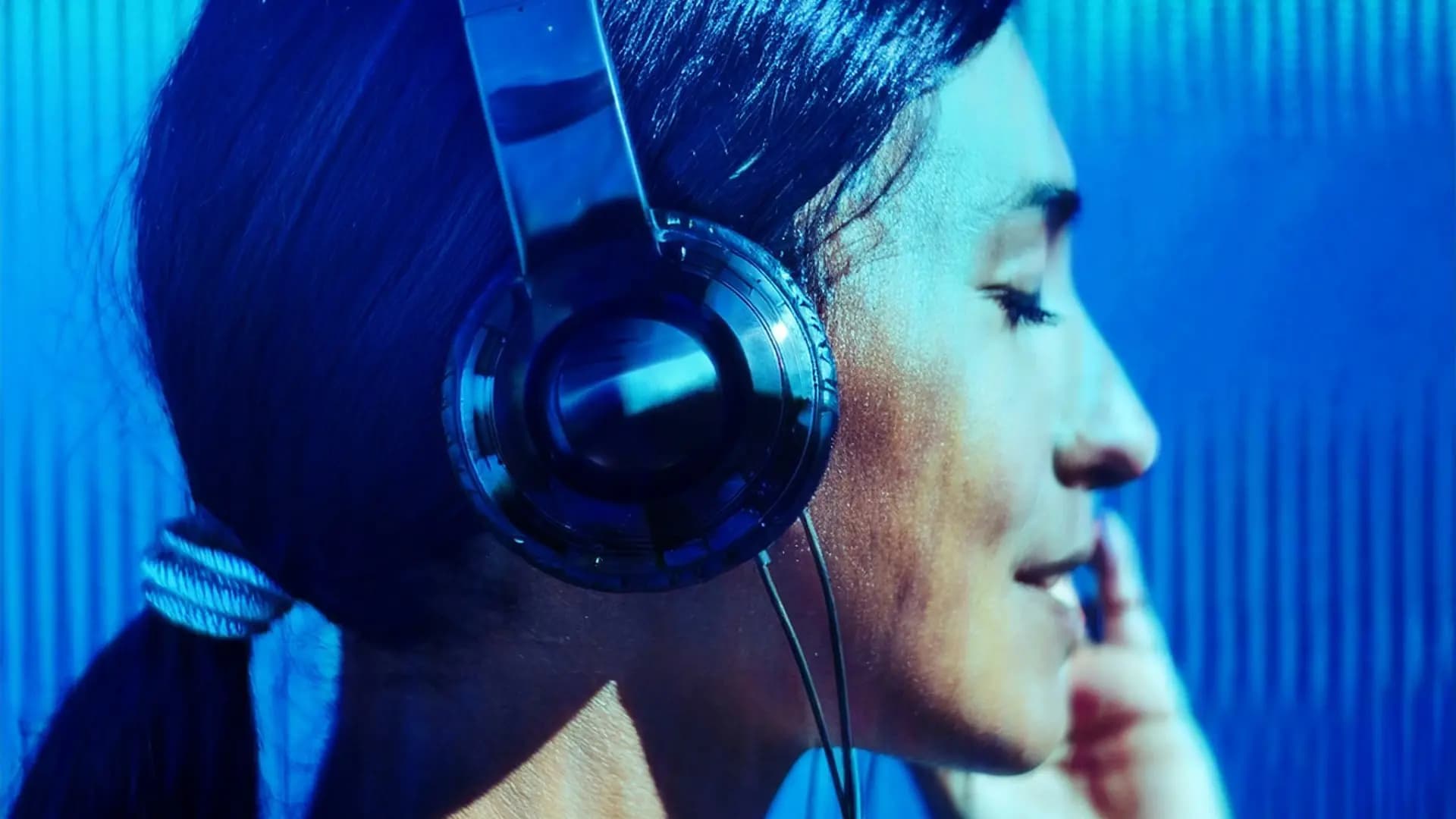
Create Your Own Audio Tour: The Complete Guide for Guides, Museums and Businesses
You know something about a place that no sign, app menu or search result will ever tell a visitor. Maybe you're a guide with twenty years of stories, a museum sitting on a collection nobody fully sees, a hotel surrounded by a neighborhood guests never explore, or simply someone who knows their town the way no guidebook does. That knowledge is worth something — but only if it reaches people at the exact spot it belongs. This is the complete guide to creating your own audio tour: how it actually works, what you can build, who's doing it, how they make money from it, and how to make a tour people finish. No recording studio, no team, no tech background, narrated automatically in 7 languages.
Complete Creator Guide
Everything about creating your own audio tour: how it works, use cases, who it's for, monetization, craft tips, and a full FAQ. No studio, no team, 7 languages.
Topics
Why audio beats a sign, an app menu, or a search
A sign holds a sentence and a date. An app menu makes the visitor stop, look down, tap, scroll, and read — which means they're looking at a screen instead of the thing you wanted them to see. A search dumps them into ten conflicting pages and no narrative. None of these is how a person actually wants to receive a story.
Audio is different because it's the only format that leaves the eyes free. The visitor looks at the building, the painting, the view — while a voice tells them what they're looking at and why it matters. That's not a small upgrade; it's the difference between reading about a place and experiencing it.
And voice carries what text can't: emphasis, warmth, the pause before the part that matters. A good narrator makes a fact into a moment. That's why a QR code linking to a PDF never feels like a tour, and an audio tour does — even when the underlying information is identical.
Turn what you know into an audio tour
How LightUp turns your story into a tour
The process is built so a person, not a production company, can do it. You decide the stops — the places along your route that have something to say. For each one you provide the story: what you'd tell someone if you were standing there with them. You place each stop on the map.
From there the platform does the heavy part: it turns your text into real narration, ties each stop to its location so it plays automatically when a visitor arrives, packages it so it works offline, and makes it available in multiple languages without you writing a single word twice.
What you bring is the one thing that can't be automated — knowing the place and what's worth saying about it. What you don't have to bring is everything people assume stops them: the studio, the editing software, the voice talent, the app development. That's the whole idea — your knowledge in, a finished multilingual tour out.
What you can actually create with it
A classic walking tour of a neighborhood or old town. A museum or gallery route that finally says what the curators know. A hotel or B&B tour of the area around it, so guests stop asking the front desk and start exploring. A winery, farm, estate or garden tour that runs without pulling a staff member off their job.
A university or campus tour for open days. A self-guided city route for a tourism board. A brand or company experience — a factory, a flagship store, a historic headquarters. A themed trail: street art, architecture, food, film locations, a literary walk, a dark-history route. A nature or hiking trail with the story of what you're walking through.
If a place has something worth explaining and people move through it, it can be an audio tour. The format is the same; only the story changes — and the story is the part only you have.
It keeps working when you're not there
A live tour earns once, costs you the hours you spend giving it, and stops the moment you do. An audio tour you create once and it runs forever — at 7am, in low season, in the rain, for a hundred people at once in five different languages, while you sleep or guide a different group or simply have your life back.
For a guide that means your best material stops being capped by how many tours your body can physically deliver in a day. For a museum or hotel it means a visitor experience that doesn't consume staff time per visitor. For anyone it means the work is front-loaded: real effort once, value indefinitely.
That asymmetry — build it once, it serves people endlessly — is the quiet reason audio tours are worth the effort of creating. You're not making a thing you have to keep doing. You're making a thing that keeps doing it for you.
You don't need a studio, a team, or a tech background
The single biggest reason people never create the tour they could is that they think it requires things it doesn't. They picture a recording booth, an editor, a voice actor, an app developer, a budget, and a project that takes months. So the tour never happens, and the knowledge stays trapped in their head or in a walking route only a few people a week ever hear.
None of that is true here. You don't record anything in a studio — your text becomes narration. You don't hire a team — the platform does the production. You don't need to understand maps, audio engineering or app development — you place pins and write what you know.
Strip away the imaginary requirements and what's left is the only real one: knowing the place and being willing to write down what's worth saying about it. If you can lead a friend around somewhere and make it interesting, you can create this.
Heard in seven languages, automatically
A tour written once is, in practice, a tour for one audience. The visitor who doesn't speak your language gets a worse experience or none at all — and at most places, that's a large share of the people who actually show up.
Creating your tour here makes it available in seven languages automatically — real narration, not a 'translate this page' button. You don't hire translators, manage seven versions, or write anything twice. The German visitor, the Brazilian couple, the traveler from Shanghai each hear it properly, in the language they think in.
For anyone creating a tour, that's not a nice extra — it's most of the point. The same effort that reaches your local audience now reaches almost everyone who walks in, without multiplying your work by seven. Reach stops being a function of how many languages you personally speak.

One tour, narrated in seven languages
Who creates audio tours on LightUp
Independent guides, turning the material they only ever delivered live into something that earns and reaches people around the clock. Museums and cultural sites, finally voicing what the labels can't fit. Hotels, B&Bs and hosts, giving guests the neighborhood instead of a printed list and a pointed finger.
Wineries, farms, estates and gardens, offering a real visit without assigning staff to every group. Tour operators and DMCs, adding a self-guided product alongside their live ones. Cities and tourism boards, giving visitors a proper route instead of a leaflet. Brands and companies, turning a space — a factory, a flagship, a campus — into an experience.
And passionate locals: the person who knows their town's real story and always wished there were a way to hand it to the people wandering through it not knowing what they're looking at. Different goals, same tool — because they all have the one thing the tool can't supply: the story.
Build it yourself vs hire an agency vs a QR-code PDF
Hiring an agency to produce a custom audio guide gets you a polished result and a bill, a timeline, and a dependency: every future edit is another quote and another wait. It makes sense at large institutional scale; for almost everyone else it's the reason the tour never gets made.
A QR code linking to a PDF or a web page is the opposite trap: nearly free, instant, and not a tour. It's a document people read with their face in their phone, in one language, with no narration, no flow, and nothing tying it to where they're standing. It technically exists; it doesn't work.
Creating it yourself on a platform is the middle that actually fits most cases: you keep control and can edit anytime, you don't need the studio or the team, you get real narration and on-location playback, and it's multilingual by default. You trade an agency's bespoke polish for speed, control and cost — a trade most creators should take.
How creators actually make money with it
The most direct way is selling the tour itself — a paid self-guided experience people buy and do on their own time, which keeps earning long after you built it. A guide can offer it as a lower-priced product alongside premium live tours instead of competing with them.
The indirect ways are often bigger. A hotel or winery uses the tour as part of the stay or visit — it doesn't sell as a line item, it makes the whole experience better and the place more bookable. A business uses it as branded marketing that also happens to be useful. A tourism board uses a free tour as a reason to choose the destination.
And a free tour is a lead and a reputation: people who had a genuinely good time with your name in their ears come back, book the premium thing, recommend you, review you. Pick the model that fits your goal — the tour can be the product, the upsell, the marketing, or the hook.
What makes an audio tour people actually finish
Write for the ear, not the page. People don't reread audio — say it once, plainly, the way you'd say it out loud to someone next to you. Long written sentences that look fine on paper fall apart when spoken; short, spoken-style lines carry.
One story per stop. The temptation is to cram everything you know into each point; resist it. A stop that makes one thing land is remembered; a stop that lists ten is skipped. Pace it to someone standing still and looking — give them a beat to actually see the thing before you move them on.
And lead with why it matters, not just what it is. Dates and dimensions are forgettable; the human reason this place is worth caring about is what people keep. A tour finished to the end isn't the most complete one — it's the one that respected the listener's attention.
Frequently asked questions
What does it cost to create one? You can start without upfront cost and build before you commit. Do I need recording equipment? No — your text becomes the narration; there's no studio or microphone. What languages will it be in? Seven, automatically, as real narration — you don't translate anything yourself.
Who owns the content? It's your story and your tour — you're providing the knowledge, the platform provides the production and delivery. How long does it take to make one? As long as it takes you to decide the stops and write what you'd say at each — there's no production pipeline waiting on you. Can I edit it later? Yes — it's not a one-shot agency deliverable; you can change stops and text.
Do I need to understand GPS or maps? No — you place stops on a map; the location-triggering is handled for you. Can I sell it, or offer it free? Either — sell it as a product, bundle it into a stay or visit, or give it away as marketing. Does it work without internet? Yes — tours download, so visitors aren't dependent on signal.
How to start
Pick the place you know better than the sign does. List the stops — the spots along the way that have something to say. Write, for each one, what you'd tell someone if you were standing there beside them. Drop the pins. That's the tour; everything else is handled.
The knowledge is already yours — the only thing between it and the people who'd love to hear it is the decision to put it where they're standing. Start the one you've been meaning to make; it reaches them in seven languages, hands-free, exactly where it belongs.
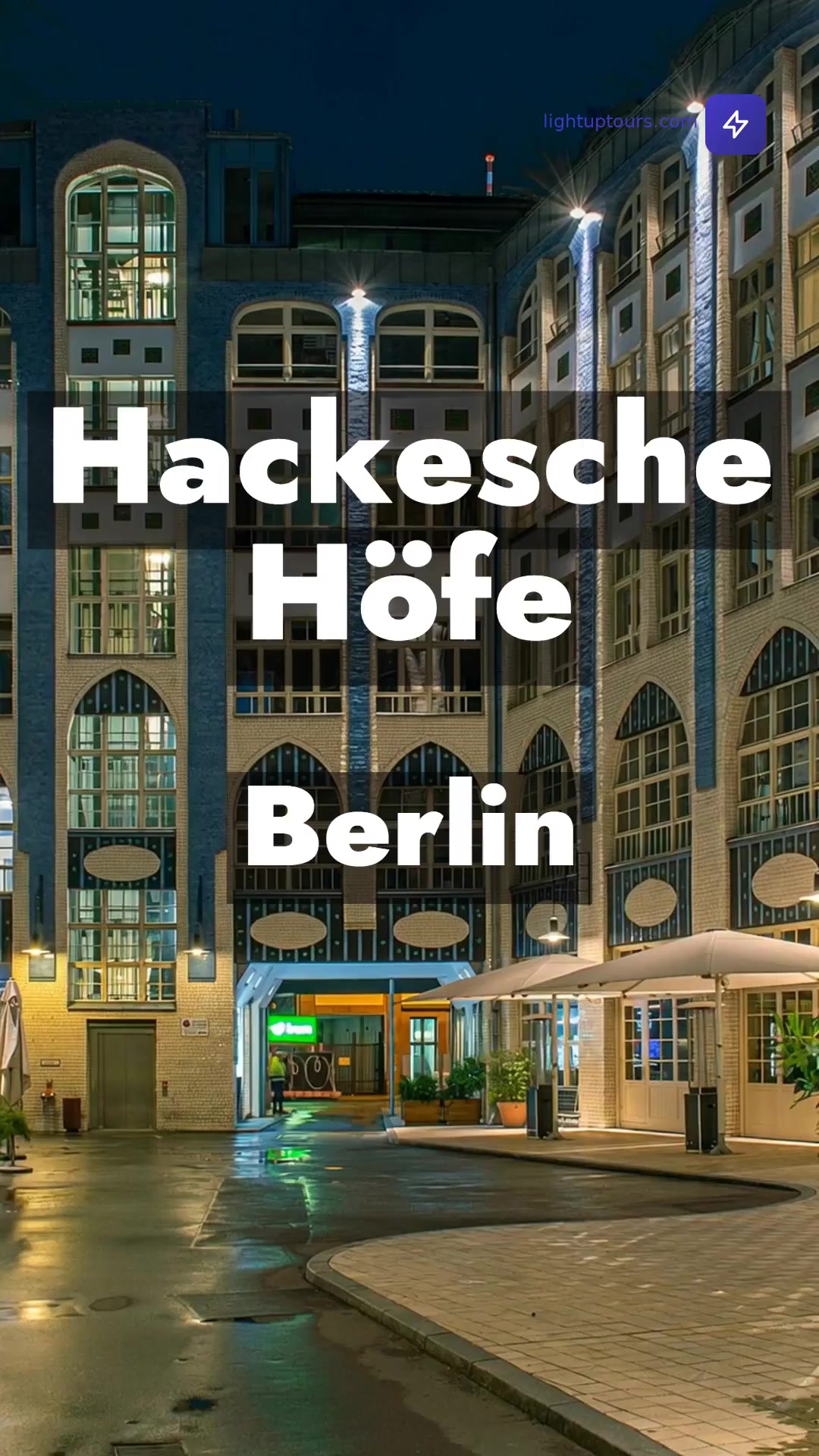
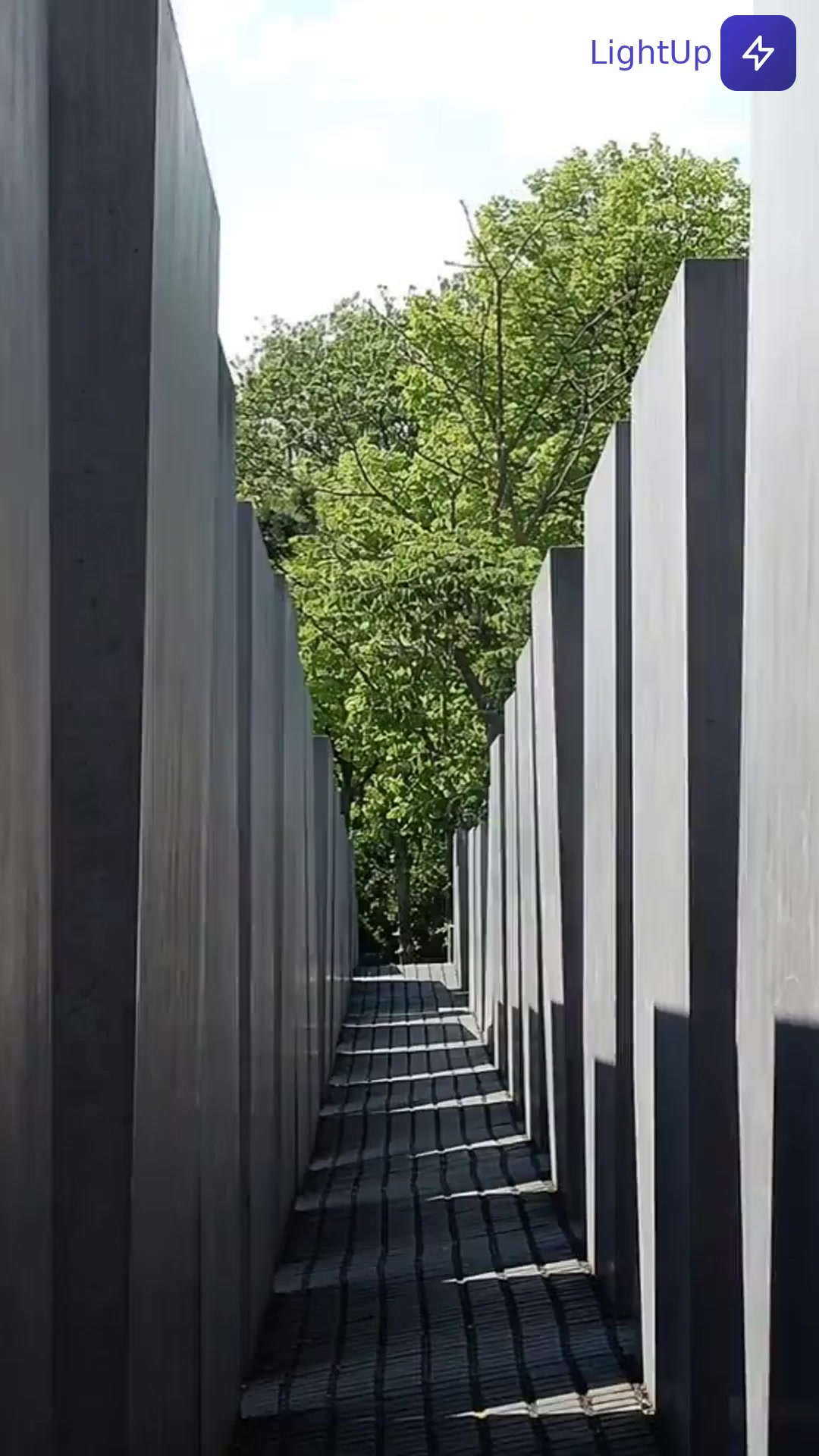
Audio-guided places
Discover places narrated in 7 languages


More from the blog


Take LightUp with you
Self-guided audio tours in 7 languages, offline-ready. Download the app and start exploring.